

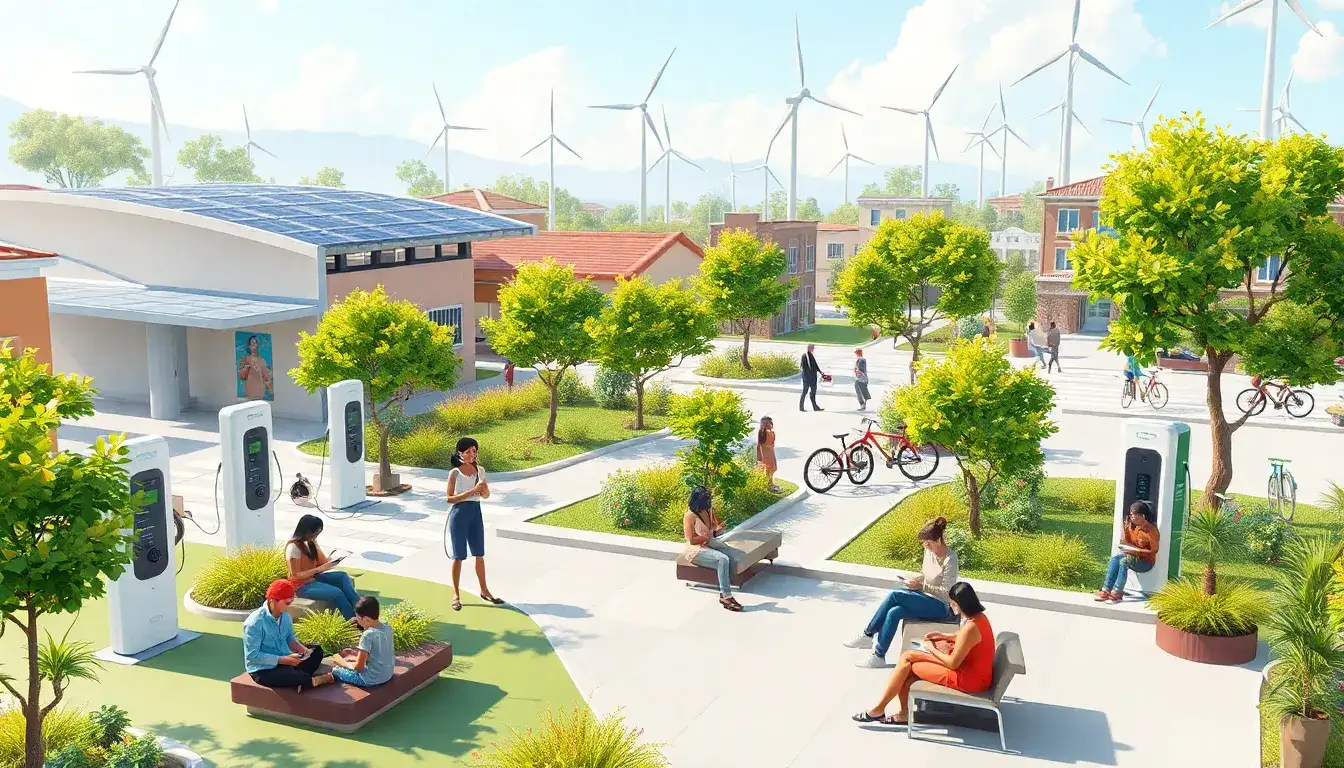
To improve EV charging infrastructure in disadvantaged communities, the following strategies can be implemented:
- Community-driven site selection: Engage residents in planning charger locations to ensure accessibility and address specific neighborhood needs, particularly in low-income areas, rural communities, and multifamily housing.
- Policy and zoning updates: Streamline permitting processes and modernize zoning codes to reduce installation costs and encourage private investment in underserved areas.
- Targeted funding allocation: Prioritize federal and utility programs like the $2.5B Discretionary Grant Program, which reserves 40% of funds for lower-income communities, focusing on Level 2 chargers in residential areas. Utilities like Southern California Edison are already directing 50% of EV infrastructure budgets to disadvantaged communities.
- Innovative hardware solutions: Deploy cost-effective technologies like NeoCharge Smart Splitters, which enable shared charging without electrical panel upgrades, ideal for older housing.
- Integrated community services: Link charging access to existing city programs, offering discounted/free charging for income-qualified residents and developing car-sharing initiatives for affordable housing.
- Workplace and multifamily incentives: Offer tax credits or rebates to landlords and employers who install chargers, particularly in areas lacking private parking.
- Equitable utility investments: Advocate for electricity providers to allocate EV charging budgets disproportionately to communities facing charging deserts.
Original article by NenPower, If reposted, please credit the source: https://nenpower.com/blog/how-can-charging-infrastructure-be-improved-in-disadvantaged-communities/

