

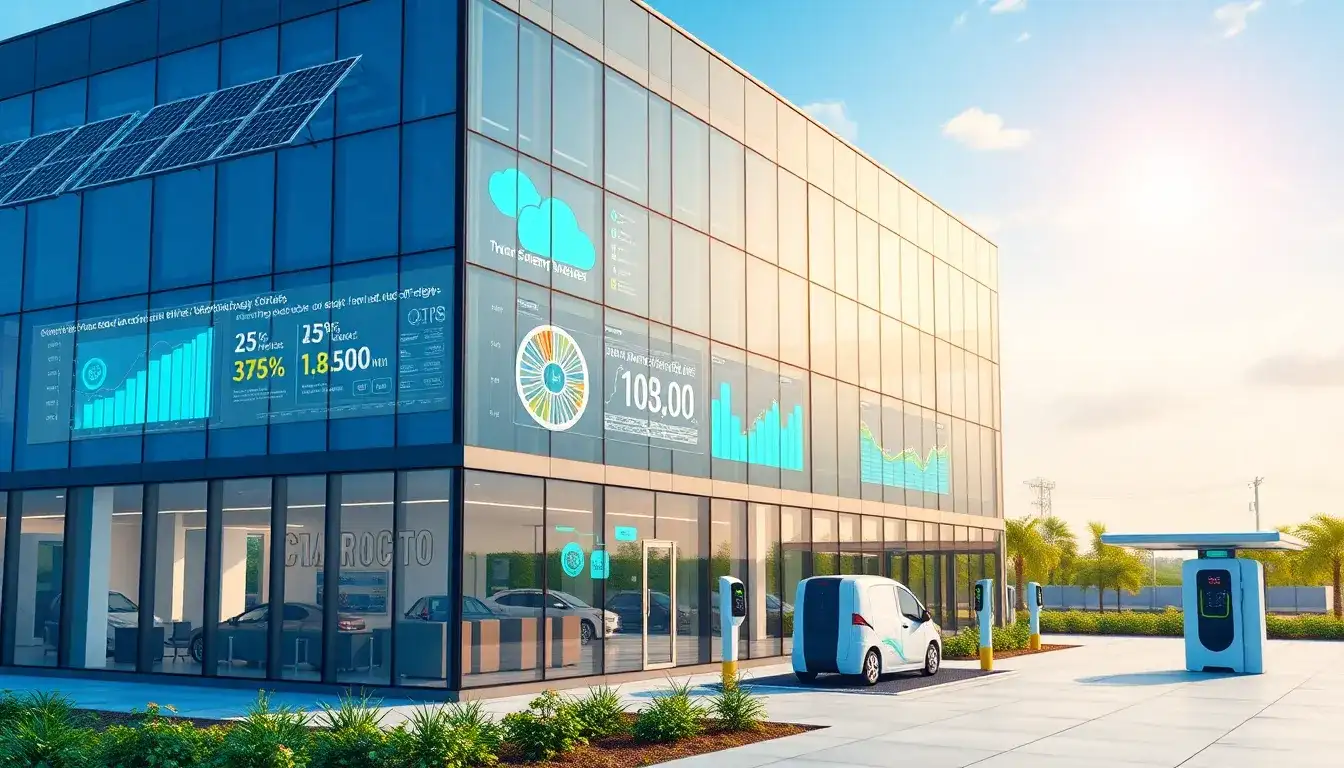
To maximize savings with peak shaving and energy storage, businesses can implement the following strategies:
1. Utilize Battery Energy Storage Systems (BESSs)
- Store Energy During Off-Peak Hours: Charge batteries when electricity is cheaper, typically during nighttime or off-peak hours.
- Discharge During Peak Hours: Release stored energy during peak demand periods to reduce reliance on expensive grid power.
- Benefits: This approach can significantly lower peak energy costs by up to 30% and contribute to grid stability.
2. Implement On-Site Generation Solutions
- Solar and Wind Power: Use solar panels or wind turbines to generate electricity on-site.
- Integration with Energy Storage: Pair renewable energy sources with battery storage to ensure a steady supply during peak times.
- Benefits: Reduces dependence on the grid during peak hours, providing additional cost savings.
3. Load Curtailment or Load Shifting
- Automated Systems: Use smart technologies to adjust energy-intensive equipment (like HVAC systems) based on real-time demand data.
- Operational Adjustments: Temporarily reduce non-essential power consumption by pausing machinery or adjusting lighting.
- Benefits: Helps manage demand charges without significantly impacting business operations.
4. Combination of Solar and Energy Storage
- AI-Optimized Solutions: Use AI-driven software to predict and manage demand spikes automatically.
- Benefits: Offers clean, quiet operation without impacting business activities, and provides a competitive advantage by significantly reducing operational expenses.
By combining these strategies, businesses can effectively manage peak demand, reduce their energy costs, and contribute to a more sustainable energy landscape.
Original article by NenPower, If reposted, please credit the source: https://nenpower.com/blog/how-can-businesses-maximize-their-savings-with-peak-shaving-and-energy-storage/

