

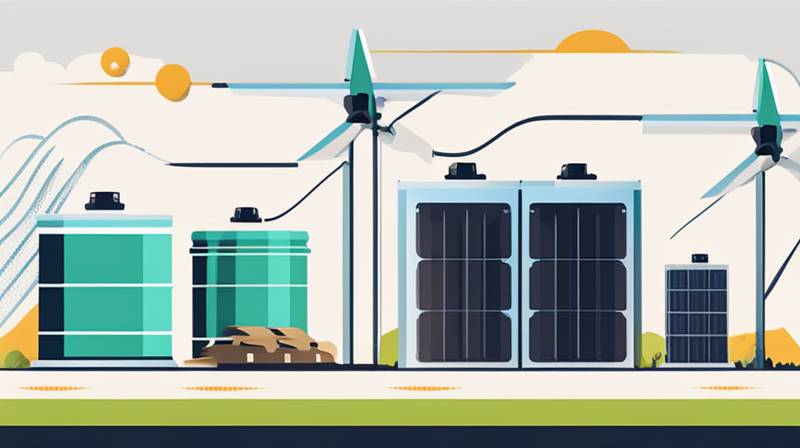
1. STRATEGIC INVESTMENT IN INFRASTRUCTURE: Investing in robust energy storage infrastructure is pivotal for Angola. The government must allocate funds toward developing localized facilities that can store surplus energy generated from renewable sources. Such an investment will ensure consistent energy availability, even during periods of low generation. This effort requires collaboration between governmental agencies and private investors who can help in increasing efficiency and reducing costs associated with energy storage technologies.
2. UTILIZATION OF RENEWABLE ENERGY RESOURCES: Angola possesses abundant renewable energy resources including solar, wind, and hydroelectric capabilities. By investing in these areas, the nation can generate more energy than it consumes and store surplus resources effectively. Implementing large-scale solar farms combined with advanced battery storage systems will allow rural communities access to reliable power. The introduction of microgrid systems in remote areas will also enable localized management of energy production and storage.
3. CAPACITY BUILDING AND LOCAL ENGAGEMENT: Training local communities on energy management and storage technologies is crucial. Establishing educational programs that emphasize the importance of energy storage, alongside hands-on training in the operation of these technologies, will foster a skilled workforce capable of maintaining the infrastructure. Engaging local populations in the planning and implementation phases will not only enhance acceptance but also ensure sustainability in energy usage among rural residents.
4. PUBLIC PRIVATE PARTNERSHIPS: Forming partnerships with private enterprises can significantly enhance infrastructure development and technology transfer. By actively involving the private sector, Angola can leverage innovation and investment to build and maintain energy storage systems. This collaborative approach enables knowledge sharing and fosters a competitive environment that encourages local businesses to participate in the energy sector. Successful examples from other countries demonstrate the effectiveness of such partnerships in accelerating the deployment of energy solutions.
ENERGY STORAGE STRATEGIES
1. UNDERSTANDING ENERGY STORAGE NEEDS
Energy storage solutions are critical for balancing supply and demand, especially in regions where energy generation is intermittent. In these areas, storage systems act as buffers, retaining excess energy during peak production times for later use. By understanding the unique energy consumption patterns of rural communities, stakeholders can effectively tailor energy storage systems to meet specific local needs.
For example, rural areas in Angola often experience fluctuations in energy usage due to seasonal changes and varying economic activities. The introduction of versatile energy storage solutions that can adapt to these patterns will enhance energy reliability for agricultural practices and small businesses in these communities. By conducting thorough assessments, policymakers and researchers can ensure zoning and implementation that effectively address the diverse needs of rural populations.
Additionally, addressing the specific storage technology suitable for local conditions is paramount. The technologies range from traditional batteries to emerging, more advanced systems such as pumped hydro storage or compressed air energy storage (CAES). Each community may benefit differently depending on geographical and economic conditions, thus careful analysis is necessary before large-scale deployment.
2. ADOPTION OF MODERN TECHNOLOGIES
Implementing advanced technology in energy storage can propel Angola into a new era of energy independence. Innovations in battery technology, particularly lithium-ion and flow batteries, have proven effective in energy systems across the globe. These technologies offer high storage capacities and longer lifespans, making them ideal for rural applications where energy reliability is paramount.
Furthermore, smart grid technologies enable real-time monitoring and management of energy storage systems. This modernization allows for dynamic adjustments based on consumption patterns and availability. By incorporating automation and artificial intelligence, energy systems can become increasingly efficient, providing seamless energy access to rural communities. Onglo may collaborate with tech firms to adapt these state-of-the-art systems to fit local infrastructure, allowing rural areas to leapfrog traditional energy systems toward more sustainable models.
Investment in research and development can also provide a means to customize technology for local resources. Localized approaches ensure that energy storage systems remain feasible and cost-effective, which is vital for expanding energy access to underserved populations.
3. FINANCING MECHANISMS FOR ENERGY STORAGE PROJECTS
Access to financing plays a critical role in the deployment of energy storage solutions. Angola must explore various funding mechanisms, including international grants, loans from multilateral development banks, and partnerships with NGOs aimed at sustainable development. Innovative financing models, such as pay-as-you-go systems, can also alleviate the financial burden on rural communities by allowing incremental payments for energy services.
Moreover, the creation of a dedicated fund to support energy storage initiatives would provide stability and predictability for investors and project developers. With proper fundraising strategies and risk assessment frameworks, Angola can build a financially sustainable model that attracts both local and international investors.
Crowdfunding has also emerged as an alternative financing model. By engaging the local population as stakeholders, communities not only secure funding but become invested in the success of energy projects. This grassroots approach aligns community interests with project objectives and facilitates local ownership of energy projects, enhancing long-term viability.
4. POLICY AND REGULATORY FRAMEWORKS
Establishing strong policy and regulatory frameworks is essential in promoting the deployment of energy storage in rural regions. The government should adopt regulations that support renewable energy alongside energy storage, providing incentives for businesses and individuals who invest in these technologies. Tax incentives, subsidies, and tariff policies can encourage the adoption of energy storage solutions at the local level.
Moreover, creating inter-ministerial committees to address energy storage initiatives will ensure cohesive planning and implementation across various sectors, including agriculture, environment, and economic development. This integrative approach allows for the alignment of energy storage strategies with national development goals, promoting enhanced access to energy in rural areas.
Stakeholder engagement is vital in this process, as local voices often illuminate needed adjustments in policy and implementation. Regular consultations with communities can aid in adapting regulations that consider the unique needs and challenges faced by rural residents, ultimately leading to more effective energy storage solutions.
FAQs
WHAT ARE THE MAIN CHALLENGES IN DEPLOYING ENERGY STORAGE IN ANGOLA’S RURAL AREAS?
The primary challenges in deploying energy storage systems in rural Angola stem from several factors. First, limited financial resources hinder investment, making it difficult to construct infrastructure for storage systems. Rural communities often lack access to capital, which restricts their ability to engage in energy projects. Without substantial investment and strategic partnerships, the deployment of advanced technologies becomes complicated.
Additionally, a lack of technical expertise in energy storage technologies poses further obstacles. Rural populations may require training to operate and maintain systems effectively, which necessitates the implementation of education and skill-building programs. The absence of well-defined regulatory frameworks also prevents effective project execution due to uncertainty in policy direction and incentives.
Lastly, geographical isolation exacerbates challenges by making it difficult to transport equipment and materials necessary for energy storage systems. This factor leads to increased logistical costs that can deter investment and implementation. Addressing these challenges through multi-faceted strategies is crucial for the successful deployment of energy storage solutions in rural communities.
HOW CAN RURAL COMMUNITIES BENEFIT FROM ENERGY STORAGE TECHNOLOGIES?
Energy storage technologies can provide significant advantages to rural communities in Angola. By ensuring reliable energy access, these systems can enhance economic development and improve the quality of life. For instance, consistent energy supply allows for extended working hours, enabling local businesses to operate efficiently. Furthermore, access to electricity can improve educational opportunities, as schools can function effectively outside of daylight hours.
Moreover, energy storage allows for the integration of renewable energy into the local power grid, promoting sustainability and reducing reliance on traditional fossil fuels. The ability to store surplus energy generated during peak times permits communities to utilize clean energy efficiently, leading to long-term environmental benefits.
Additionally, energy storage can foster community resilience. During times of energy scarcity or outages, stored energy can provide backup power to critical services such as healthcare facilities, water supply, and communications. Hence, these technologies can transform rural electricity systems, ensuring reliability and supporting overall community development.
WHAT ROLE DO PUBLIC PRIVATE PARTNERSHIPS PLAY IN ACCELERATING ENERGY STORAGE DEPLOYMENT?
Public-private partnerships (PPPs) are instrumental in accelerating the deployment of energy storage systems in rural Angola. Through collaboration, resources can be pooled, and expertise leveraged to tackle the challenges associated with energy infrastructure development. Private enterprises bring innovation and efficiency, while the public sector can provide regulatory support and access to funding.
These partnerships can also enhance risk-sharing mechanisms, making projects more attractive to investors. By aligning incentives and allowing both parties to benefit from the successful implementation of energy storage systems, PPPs foster an environment conducive to sustainable energy solutions.
Moreover, PPPs can facilitate knowledge transfer by involving local stakeholders in technology transfer and training initiatives. This builds local capacity to operate and maintain energy systems efficiently, ensuring sustainability. As seen in successful projects globally, embracing public-private partnerships holds the potential to transform energy landscapes, bringing significant benefits to rural communities.
Bold emphasis on the necessary approaches adopted by Angola must be reiterated. The collaboration among government entities, private sector innovation, and community engagement are pivotal for ensuring successful energy storage deployment within rural environments. To attain energy autonomy and sustainability benefits, Angola’s strategic direction requires unwavering commitment to include these critical components in the energy roadmap. Ultimately, the journey toward increased energy accessibility and reliability hinges on the collective efforts tailored to the unique contexts of rural communities, creating pathways to transformative changes in their everyday lives.
Original article by NenPower, If reposted, please credit the source: https://nenpower.com/blog/how-can-angola-accelerate-the-deployment-of-energy-storage-in-rural-communities/

