

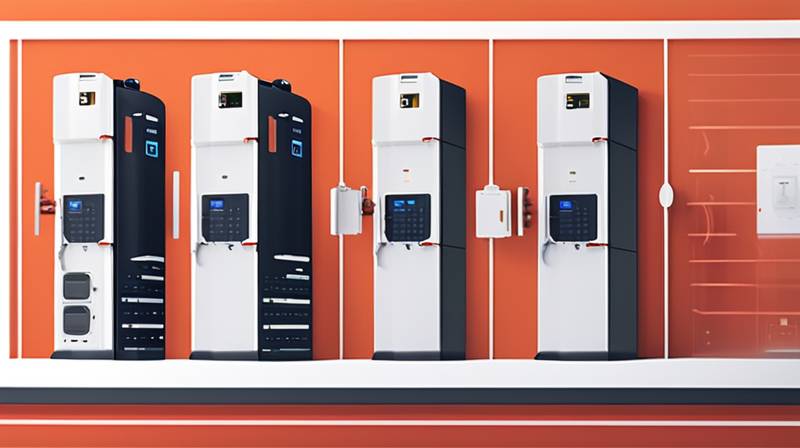
How BYD’s energy storage systems support load balancing
- BYD’s energy storage systems facilitate load balancing by enabling renewable energy integration, and enhancing grid stability. 2. They provide demand response capabilities, thus reducing peak demand and optimizing energy usage. 3. These systems offer scalability and flexibility, ensuring that utility providers can adjust to variable energy needs. 4. Cost-effectiveness is another significant advantage, allowing for better management of energy resources which ultimately translates to lower consumer costs.
1. TECHNOLOGICAL INNOVATIONS IN ENERGY STORAGE
The landscape of energy storage has been evolving rapidly, propelled by advancements in technology that enable systems to perform with increased efficiency and effectiveness. BYD stands at the forefront of this transformation, utilizing cutting-edge lithium iron phosphate (LiFePO4) batteries within their energy storage solutions. This particular chemistry allows for greater stability, higher cycle life, and enhanced safety features compared to traditional lead-acid batteries. Furthermore, the integration of smart technology enables real-time monitoring and management, allowing for optimal performance tailored to specific energy demands.
The innovation in energy storage systems is not limited solely to battery chemistry; integration with artificial intelligence (AI) and machine learning (ML) has revolutionized how energy storage interacts with the grid. By employing sophisticated algorithms, BYD systems can predict demand and supply patterns, thereby optimizing discharge and charge cycles effectively. For instance, during periods of high renewable energy generation, the system can store excess energy and immediately release it during peak demand times, thereby achieving a delicate balance that the traditional grid struggles to maintain.
2. IMPACT ON RENEWABLE ENERGY INTEGRATION
Renewable energy sources such as solar and wind are inherently variable, leading to challenges in ensuring a consistent power supply. BYD’s energy storage systems play a vital role in addressing these challenges, allowing for a seamless integration of renewable resources into the existing energy infrastructure. By storing excess energy generated during peak production times, these systems effectively mitigate intermittency issues. For example, when solar panels generate electricity in the middle of the day, the surplus energy can be stored and used later when demand rises, thus smoothing out supply fluctuations.
Moreover, the presence of energy storage solutions supports grid resilience. During adverse weather conditions or unexpected outages, energy storage can provide auxiliary services to prevent cascading failures. This support enhances the reliability of renewable energy sources, making it easier for utility companies to transition to cleaner energy profiles, ultimately contributing to overall grid security and stability.
3. DEMAND RESPONSE CAPABILITIES
Maximizing energy efficiency necessitates a robust demand response capability, which BYD’s energy storage systems epitomize. Demand response involves adjusting consumer demand for power instead of adjusting the supply, encouraging consumers to reduce their electricity use during peak hours for financial incentives. The energy storage systems can automatically respond to grid signals, increasing or decreasing energy delivery based on real-time analysis and forecasts.
In practical terms, these systems allow residential and commercial users to participate actively in energy markets. Utilities can utilize data analytics to predict demand surges and communicate with users to curtail energy use during peak periods, thus lessening the reliance on expensive peaker plants. Such interaction fosters a culture of energy conservation among users while simultaneously managing overall consumption on the grid.
4. SCALABILITY AND FLEXIBILITY
Scalability and flexibility are quintessential in addressing the dynamic requirements of modern power systems. BYD’s energy storage solutions are designed to be modular, meaning that they can be expanded or reduced based on specific energy needs. This adaptability allows utility providers to respond to fluctuations in demand without the need for substantial infrastructure changes.
For instance, a growing community requiring increased energy may opt to install additional storage units alongside the existing systems, thus ensuring that energy supply aligns efficiently with demand. This versatility also plays a crucial role in managing costs; energy storage systems can be implemented incrementally, minimizing initial capital expenditures while maximizing future returns. As such, utilities can prioritize investments based on actual demand, paving the way for a more financially sustainable energy model.
5. COST-EFFECTIVENESS OF ENERGY STORAGE
One cannot overlook the economic advantages presented by BYD’s energy storage systems. Cost-effectiveness is a critical benefit that has profound implications for both suppliers and consumers. By enabling utilities to offset the costs associated with peak demand — typically the most expensive time for energy procurement — savings can be passed down to consumers in the form of lower rates.
Additionally, the longevity of BYD’s battery technology translates into long-term savings. These systems, designed to last for thousands of cycles, reduce the frequency of replacements and associated maintenance costs. Alongside bulk procurement pricing strategies, utilities can lower their overall operational costs, allowing for additional investments into infrastructure improvements or further renewable energy projects.
FREQUENTLY ASKED QUESTIONS
WHAT IS LOAD BALANCING IN ENERGY SYSTEMS?
Load balancing in energy systems refers to the practice of optimizing energy consumption and supply to ensure that the energy demand does not exceed the available supply. This involves the use of various technologies and strategies to distribute energy loads evenly across different areas of the grid. It helps in preventing outages during peak demand and promotes energy efficiency. By balancing the load, energy systems avoid stressing the infrastructure and can better incorporate renewable energy sources, which tend to fluctuate. This dynamic balancing is crucial as it enhances the reliability of energy systems and contributes to a more stable grid.
HOW DOES BYD’S ENERGY STORAGE SYSTEM WORK?
BYD’s energy storage system operates by capturing excess energy, often produced from renewable sources like solar panels, which can then be stored in lithium iron phosphate batteries. When energy demand surges, these systems release the stored energy back into the grid or to consumers, ensuring a consistent power supply. Advanced management software, integrated with these systems, monitors energy production and consumption, efficiently determining when to charge or discharge the battery. This capability allows for real-time responses to fluctuations in demand and generation, optimizing costs and efficiency within the energy ecosystem.
WHAT ARE THE MAIN BENEFITS OF BYD’S ENERGY STORAGE FOR UTILITIES?
For utilities, BYD’s energy storage systems offer various benefits that enhance operational efficiency and minimize costs. Firstly, they enable better integration of renewable energy, mitigating the intermittent nature of solar and wind production. Secondly, these systems enhance grid reliability by providing backup power during outages or emergencies. Furthermore, by participating in demand response programs, utilities can significantly reduce peak load costs and improve economic viability. The enhanced flexibility and scalability of these systems allow utilities to adapt to changing demands without massive infrastructure investments, driving long-term sustainability.
The role of BYD’s energy storage systems in contemporary energy management is paramount, primarily due to their ability to facilitate load balancing, which is essential for optimizing energy consumption and production. The changing dynamics in energy markets require adaptive solutions that address the challenges posed by renewable energy integration and peak demand periods. Thus, BYD’s systems will continue to play a crucial role in shaping the future of energy strategies across various applications, from residential solutions to large-scale utility implementations.
The powerful combination of advanced battery technology, intelligent management systems, and cost-saving capabilities positions BYD’s energy storage solutions as transformative assets in modern energy infrastructures. They enable utilities to not only manage their energy loads effectively but also enhance reliability while promoting sustainable energy practices. Future advancements will likely yield even more efficient methodologies, paving the way for a greener, more cost-effective energy landscape. Investing in solutions like those from BYD signifies a commitment to a balanced, resilient, and future-ready energy system. This approach ultimately fosters energy independence and supports economic growth within communities, securing a more sustainable future for generations to come.
Original article by NenPower, If reposted, please credit the source: https://nenpower.com/blog/how-byds-energy-storage-systems-support-load-balancing/

