

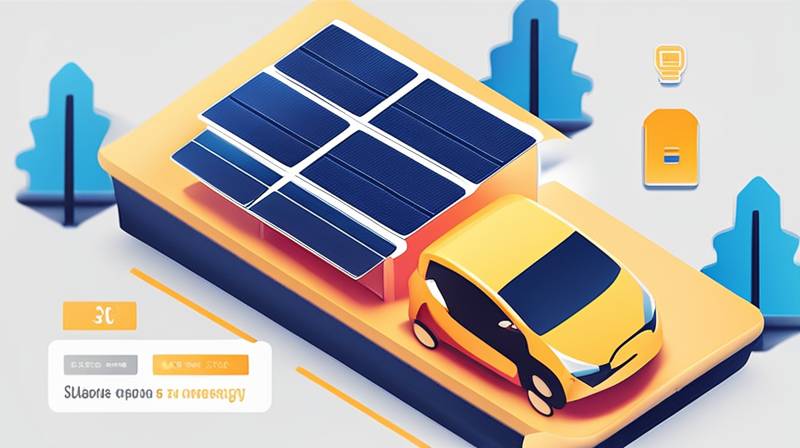
1. BYD’s integration of solar energy with storage systems enables efficient energy management, enhancing sustainability, and supporting renewable energy adoption. 2. This synergy creates a comprehensive solution for energy storage, providing resilience against outages, and ensures energy security. 3. BYD significantly optimizes energy usage, offering cost-effective solutions for consumers. 4. The technology facilitates cleaner power generation, diminishing reliance on fossil fuels, and promoting environmental stewardship. Extended implementation of these systems is indicative of shifting market trends towards increased reliance on integrated renewable technologies.
UNDERSTANDING BYD’S TECHNOLOGY INFRASTRUCTURE
BYD, an acronym for Build Your Dreams, has emerged as a pioneer in integrating solar energy with advanced storage systems. This integration capitalizes on solar technology to harness the energy of the sun, storing it efficiently for later use. At its core, this innovative approach revolves around photovoltaic solar panels that capture sunlight and transform it into usable energy. The storage systems employed are designed to retain this energy, allowing consumers to utilize it during periods of low solar production, such as nighttime or cloudy days.
The intersection of solar energy and storage technology is not merely a technological marvel but also a pragmatic solution to modern energy challenges. As global energy demands escalate, the necessity for reliable, sustainable energy sources becomes paramount. BYD’s approach addresses these pressing needs while offering a blueprint for future energy consumption patterns. The company’s commitment to research and development in this sector means that it continually seeks to innovate and improve the efficiency and affordability of these integrated solutions.
ECONOMIC ADVANTAGES OF INTEGRATED SYSTEMS
1. Cost Reduction for Consumers
When considering the economic implications of integrating solar energy with storage solutions, the reduction in energy costs emerges as a significant advantage. Consumers can significantly lower their electricity bills by utilizing solar panels to generate energy during the day and drawing from stored energy at night. This cyclical usage leads to less dependence on the grid, especially during peak hours when prices soar.
Moreover, innovations in BYD’s storage technology, such as lithium-iron-phosphate batteries, showcase enhanced safety and longevity, contributing to a lower total cost of ownership. As these costs decrease, more households and businesses find it feasible to invest in renewable energy systems. This trend not only democratizes access to renewable energy but also fosters a culture of self-sufficiency in energy consumption.
2. Economic Resilience
Incorporating storage systems with solar energy harnesses an economic resilience that shields consumers from volatility in the energy market. With energy prices often fluctuating due to geopolitical tensions or natural disasters, having a system that can store solar energy acts as a buffer. This security provides users with a sense of stability, knowing they have a reliable source of energy, regardless of external market conditions.
Furthermore, in regions prone to power outages, such systems offer a form of energy independence. Businesses that rely heavily on consistent energy supply can safeguard against costly downtimes by utilizing stored solar energy during blackouts. This resilience is particularly valuable in industrial settings, where even a slight interruption can lead to substantial financial losses.
ENVIRONMENTAL IMPACT AND SUSTAINABILITY
1. Reduction of Carbon Footprint
A profound benefit of integrating solar energy with storage technology is its significant contribution to decreasing the carbon footprint. Conventional energy generation relies heavily on fossil fuels, which contribute to greenhouse gas emissions and environmental degradation. In contrast, solar energy is a clean, renewable resource that does not emit pollutants during operation.
When storage systems are added to the equation, users can further enhance their environmental impact by maximizing solar utilization. By generating and utilizing energy during peak sunlight hours, the demand for grid energy diminishes. Each kilowatt-hour of renewable energy used translates to less reliance on conventional power sources, contributing to a cleaner environment and fostering a sustainable energy future.
2. Promotion of Renewable Energy Adoption
The combined use of solar and storage systems actively promotes a shift towards renewable energy. As technological advancements make these systems increasingly affordable and efficient, consumers and businesses are more likely to adopt them. This cultural shift not only changes the energy consumption landscape but also encourages policymakers to invest in renewable infrastructure.
By championing these technologies, BYD and similar companies pave the way for comprehensive legislative frameworks aimed at supporting renewable energy systems. These frameworks can involve incentives for solar installation, tax breaks for utilizing storage solutions, and a clear roadmap towards transitioning the energy market to sustainable alternatives.
TECHNICAL ASPECTS AND INNOVATIONS
1. Battery Technology
At the heart of BYD’s integration of solar energy with storage systems lies cutting-edge battery technology. The lithium-iron-phosphate (LiFePO4) batteries utilized by BYD not only exhibit remarkable safety and longevity but also demonstrate excellent thermal stability. This arrangement contributes to the overall effectiveness of solar energy systems, ensuring consumers benefit from a robust and reliable energy storage solution.
In addition to safety, these batteries charge and discharge efficiently, providing quick energy access when needed. For example, during peak usage times when energy demand is at its highest, stored energy can be rapidly deployed to prevent grid overloads. This ability to manage energy dynamically illustrates the technical sophistication characteristic of BYD’s products.
2. Smart Energy Management Systems
Another noteworthy aspect of BYD’s offering is the incorporation of smart energy management systems. These systems optimize energy usage by allowing users to control when and how they leverage stored solar energy. Through advanced algorithms, consumers can prioritize energy usage during peak hours, monitor battery levels, and adapt their consumption strategies in real-time.
This technology empowers users to make informed decisions about their energy use, ultimately leading to increased energy efficiency. The automated management of energy resources aligns with broader trends towards smart homes and intelligent energy systems, incorporating artificial intelligence and machine learning to offer sophisticated solutions to everyday energy challenges.
SOCIOPOLITICAL CONSIDERATIONS
1. Government Policies and Incentives
The integration of solar energy with storage technologies is heavily influenced by governmental policies and incentives. These frameworks encourage the adoption of renewable energy systems through financial incentives, regulatory support, and targeted funding for research and development.
Many jurisdictions have enacted favorable legislation, providing tax credits, subsidies, or grants for users who install solar panels or energy storage systems. Such initiatives not only bolster market interest but also stimulate the broader green economy, prompting job creation in sectors related to renewable technology. BYD’s advancements align with these political trends, benefiting from supportive frameworks that promote clean energy initiatives.
2. Global Energy Transition
On a global scale, BYD’s integration of solar energy with storage systems reflects a broader transition towards sustainable energy practices. As nations grapple with climate change and the pressing need to reduce reliance on fossil fuels, the push for renewable energy appears inevitable. BYD represents a key player in this dynamic landscape, showing how innovation can fulfill consumer needs while contributing to combating climate change.
This paradigm shift is not merely technological but socio-political, prompting discussions regarding energy independence, reliability, and sustainability. As countries strive to meet their regulatory benchmarks for carbon emissions, the holistic system BYD offers can play a central role in facilitating compliance with international agreements.
FAQs
WHAT ARE THE KEY BENEFITS OF BYD’S SOLAR ENERGY AND STORAGE SYSTEMS?
BYD’s solar energy and storage solutions offer several significant advantages, primarily in energy savings and environmental impact. First, users can enjoy reduced electricity bills by harnessing solar power during the day and utilizing stored energy when required. This practice decreases dependence on the grid, particularly during peak pricing hours, proving economically advantageous for households and businesses.
Secondly, the systems contribute to a decreasing carbon footprint. By shifting away from fossil fuels and relying on renewable energy sources, consumers engage in environmentally responsible practices. This not only helps combat climate change but also enhances community engagement around sustainability initiatives. Furthermore, these technologies provide resilience against power outages, ensuring energy reliability and fostering energy independence.
HOW DOES BYD’S INTEGRATION OF SOLAR AND STORAGE TECHNOLOGIES WORK?
The integration of solar energy and storage technology within BYD’s systems operates through an efficient cycle of energy capture, storage, and utilization. Initially, solar panels capture sunlight, converting it into electrical energy. This energy can either be utilized immediately to power appliances and systems or stored in advanced lithium-ion batteries for later use.
The stored energy can be deployed during times when solar generation is low, such as at night or during inclement weather. The smart energy management systems optimize energy usage based on demand patterns, user preferences, and real-time grid conditions. By effectively managing when and how energy is used, users maximize the benefits of their solar investments while contributing to overall grid stability.
WHAT MAKES BYD’S BATTERY TECHNOLOGY UNIQUE?
BYD’s battery technology stands out primarily due to its use of lithium-iron-phosphate (LiFePO4), which provides exceptional safety, longevity, and performance. Unlike other lithium-ion batteries that may have thermal stability issues, BYD’s batteries are engineered with materials that inherently offer better thermal management. Additionally, LiFePO4 batteries are less prone to overheating, resulting in minimized risk of fires.
Moreover, these batteries have a longer lifespan, allowing consumers to enjoy their benefits over an extended timeframe without the need for frequent replacements, enhancing the overall value of solar installations. This reliability solidifies BYD’s reputation for technical excellence and provides consumers confidence in the performance of their integrated solar and storage systems.
FINAL THOUGHTS ON BYD’S INTEGRATED SYSTEMS
The integration of solar energy with storage systems by BYD represents a transformative step in the journey toward sustainable energy consumption. This holistic approach addresses pressing energy challenges, blending advanced technologies with user-centered solutions to promote a greener future. In an era of escalating energy demands and climatic concerns, BYD’s innovations embody a commitment to enhanced energy resilience and environmental stewardship.
Steep progress in research and development ensures these technologies evolve with the times, continuously improving efficiency, safety, and user experience. BYD’s pioneering efforts demonstrate how strategic reinvention can lead to monumental shifts in both consumer behavior and policy considerations.
Ultimately, the comprehensive integration of solar energy and storage systems is a critical element in addressing global energy concerns. By empowering users with reliable, sustainable solutions, BYD plays a vital role in catalyzing a collective shift toward renewable resources. The implications of such advancements extend beyond mere energy production, representing a significant cultural shift towards embracing sustainability and innovation as pivotal components of modern life.
Original article by NenPower, If reposted, please credit the source: https://nenpower.com/blog/how-byd-integrates-solar-energy-with-its-storage-systems/

