

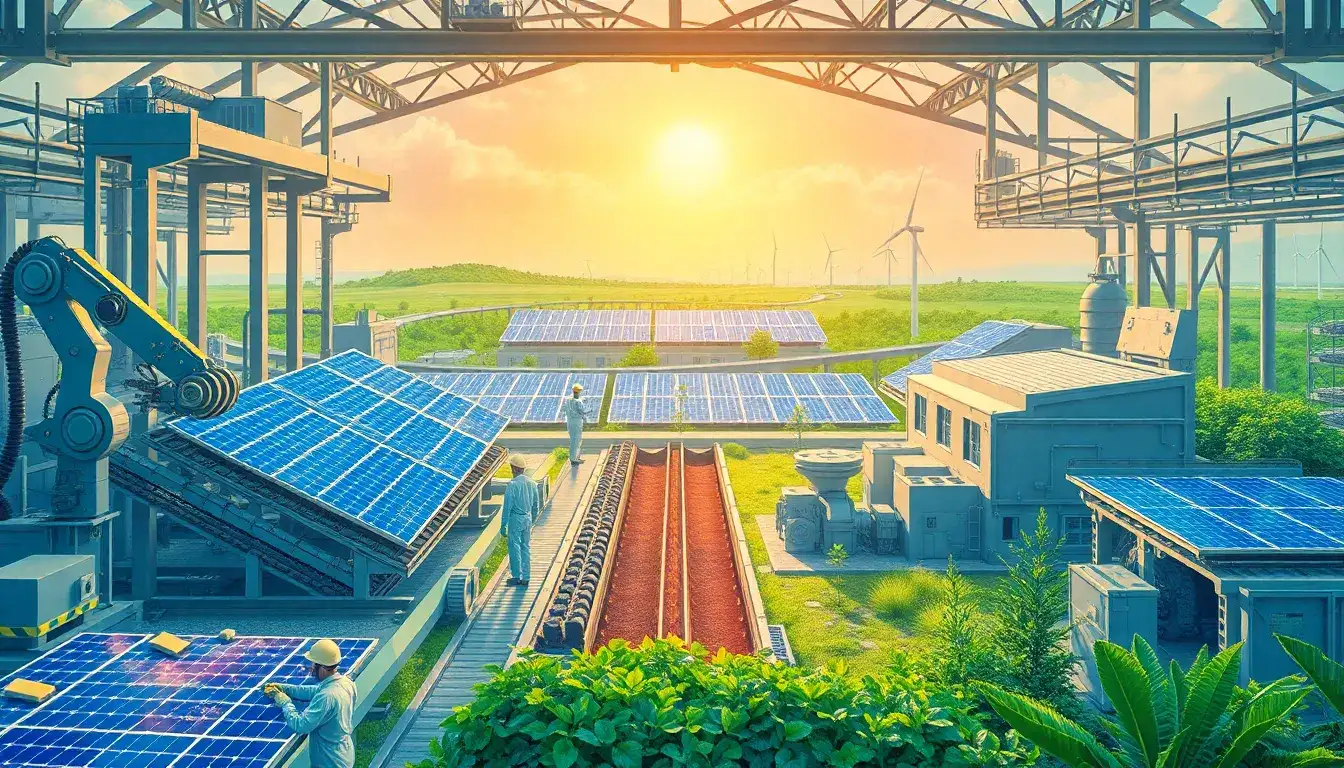
Recycling Solar Panels to Minimize Toxic Material Release
Recycling solar panels is a crucial process for minimizing the release of toxic materials and recovering valuable components. The process involves several steps designed to ensure that most materials are reused or recycled safely.
Steps in Solar Panel Recycling
- Removal of Frames and Junction Boxes:
- The first step involves removing the aluminum frames and junction boxes from the solar panels. Aluminum frames are 100% reusable, which helps conserve resources by avoiding the need for new raw materials.
- Separation of Glass and Silicon Wafers:
- Glass Separation: The glass from the panels is separated, with about 95% of it being reusable. This is often done using mechanical processes such as conveyor belts.
- Silicon Wafer Separation: The silicon wafers are separated through thermal, mechanical, or chemical processes. After separation, any encapsulating plastics are evaporated at high temperatures (around 500°C) to prepare the silicon cells for further processing.
- Thermal Processing:
- The panels are exposed to high temperatures (around 500°C) to evaporate plastics and separate the silicon cells from other materials. This process ensures that plastics are converted into heat energy rather than being wasted.
- Etching and Refining Silicon:
- Silicon wafers are etched away using acid to recover silicon particles. Broken wafers are melted and reused for manufacturing new silicon modules. This process achieves an 85% recycling rate for silicon materials.
- Recovery of Specialty Metals:
- After separating silicon and glass, the remaining materials go through processes to extract valuable metals such as silver, copper, and tin. These metals are crucial components in electronics and can be reused in various products.
Minimizing Toxic Material Release
The recycling process is designed to minimize the release of toxic materials by safely handling and processing all components. This includes:
- Safe Disposal of Hazardous Materials: Any hazardous materials, like lead from thin-film panels or other potentially toxic elements, are handled and disposed of according to environmental regulations to prevent environmental contamination.
- Recovery of Valuable Materials: By recovering as much material as possible, the need for mining or producing raw materials is reduced, which can lead to environmental impacts like pollution.
- Efficient Use of Resources: The reusable nature of materials like glass and aluminum reduces waste by returning them to the supply chain.
Overall, solar panel recycling is a crucial aspect of sustainable energy production, ensuring that waste is minimized while valuable resources are conserved and reused efficiently.
Original article by NenPower, If reposted, please credit the source: https://nenpower.com/blog/how-are-solar-panels-recycled-to-minimize-the-release-of-toxic-materials/

