Perovskite solar cells are addressing stability issues through several methods, including intrinsic modifications to the perovskite material itself and extrinsic methods to protect the cells from environmental degradation. Here are some key approaches:
Intrinsic Modifications
- Mixed Cations and Halides: Using mixed cations (e.g., formamidinium and cesium) and halides (e.g., bromine and iodine) can improve the stability of perovskite crystals by altering their lattice structure.
- 2D Perovskites: Incorporating 2D perovskites as templates can enhance both the efficiency and durability of perovskite films, leading to improved stability.
Extrinsic Methods
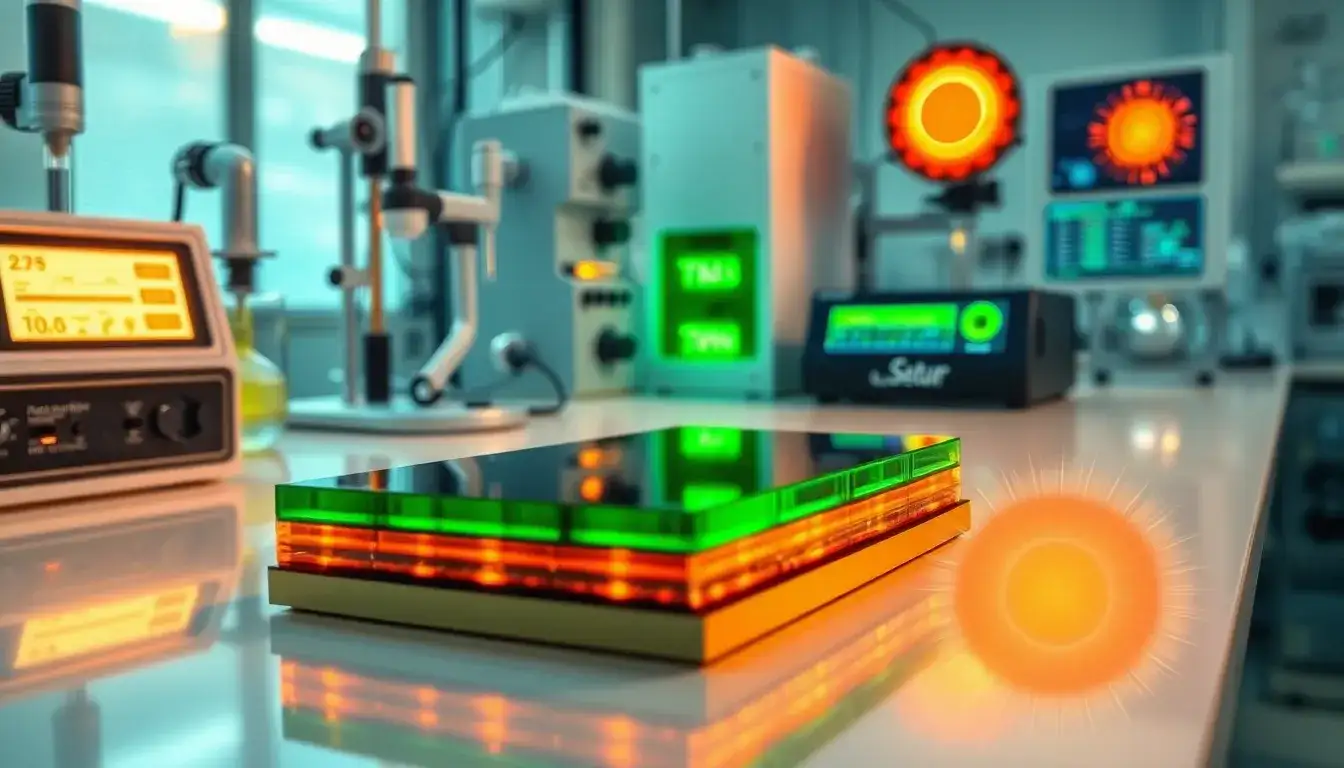
- Encapsulation: Fully encapsulating perovskite solar cells protects them from moisture and UV light, significantly improving stability.
- Protective Coatings: New protective layers, such as those using amidinium molecules, have shown substantial resistance to decomposition and environmental stress, extending the lifespan of perovskite solar cells.
- Interface Engineering: Modifying charge transport layers and interfaces can reduce defects and improve stability.
Recent Developments
- Rice University’s Approach: Researchers have used 2D perovskites to template formamidinium lead iodide films, achieving high-quality solar cells that maintain efficiency over longer periods when combined with encapsulation layers.
- Northwestern University’s Coatings: The development of amidinium-based coatings has significantly improved the resistance to heat and moisture degradation, tripling the stability of perovskite solar cells.
Original article by NenPower, If reposted, please credit the source: https://nenpower.com/blog/how-are-perovskite-solar-cells-addressing-stability-issues/