

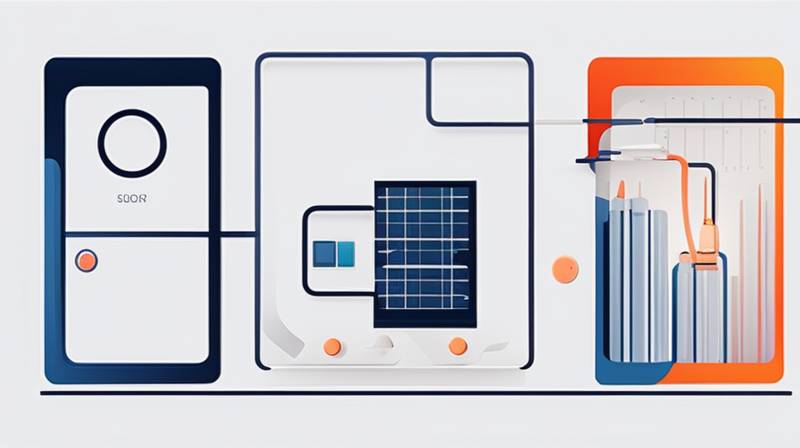
Energy storage devices are integrated into the power grid through sophisticated interconnection processes that ensure elegant functionality and stability. 1. Energy storage devices significantly enhance grid resilience, 2. They facilitate renewable energy integration, 3. They provide peak shaving and frequency regulation, 4. Advanced technologies and systems enable efficient connection. The deployment of energy storage devices, such as batteries, allows for optimal load management and supports renewable energy sources like solar and wind. By absorbing excess energy during low demand and releasing it during peak usage, these devices play a critical role in balancing supply and demand, thus mitigating the impact of fluctuations in energy production. Moreover, employing advanced grid management systems, such as smart grids, enhances the efficacy of energy storage solutions.
1. UNDERSTANDING ENERGY STORAGE TECHNOLOGIES
The concept of energy storage has evolved substantially over the years, reflecting a profound transformation in how electricity is managed and dispatched. Energy storage technologies are designed to capture and retain energy for later use, serving as a vital component within modern electrical grids. Solar photovoltaic systems, wind farms, and other renewable sources produce energy intermittently, necessitating a reliable means of storing this energy for times when production does not meet consumption.
Energy storage can be categorized into several types, including mechanical systems such as pumped hydro storage, electrochemical systems like lithium-ion batteries, and thermal energy storage. Understanding these various technologies reveals different functionalities and performance characteristics they offer when connected to the grid. For instance, pumped hydro storage, involving water reservoirs, can deliver energy on demand through turbines, while lithium-ion batteries offer rapid discharging capabilities, making them particularly suited for short-term supply and demand management.
2. CONNECTING ENERGY STORAGE TO THE GRID
Integrating energy storage devices into the grid entails several technical considerations and methodologies. The connection points typically occur at substations where various voltage levels converge. Engineers develop interconnection standards and protocols to ensure compatibility between the storage systems and existing electrical infrastructure.
The grid connection involves specific components, including inverters that convert direct current (DC) from batteries or other storage devices into alternating current (AC) that the grid utilizes. Such interactions must comply with regulatory standards that dictate safety, efficiency, and reliability. Furthermore, robust communication systems must be in place for real-time information exchange regarding the status of energy levels, operational capacity, and overall health of both storage systems and grid architecture.
3. TECHNICAL CHALLENGES AND SOLUTIONS
Despite the advantages offered by energy storage devices, their integration presents numerous technical hurdles. One of the significant challenges is ensuring system reliability and performance during energy transfers. Engineers must address issues related to grid stability caused by the introduction of fluctuating power contributions from energy storage systems.
Additionally, the phase matching between energy input from storage devices and output to the grid must be meticulously managed. Advanced algorithms and control strategies are implemented to coordinate energy flow, allowing for seamless interaction between various components. Real-time monitoring systems also enhance operational efficacy by identifying potential failures or inefficiencies in energy transfer processes.
Lastly, energy density and scalability are critical considerations in choosing appropriate storage solutions that meet specific grid demands. Innovations in battery chemistry and design have paved the way for more efficient and compact energy storage devices, ultimately making them a viable option within grid environments.
4. POLICY AND REGULATORY FRAMEWORK
The successful integration of energy storage devices into the grid is heavily influenced by policy and regulatory frameworks. Governmental policies aimed at promoting sustainable energy solutions incentivize investments in storage technology and infrastructure. Understanding how these policies impact energy markets is crucial for stakeholders.
Moreover, regulations governing interconnection standards, safety protocols, and performance metrics effectively shape how energy storage devices operate under grid conditions. Policymakers increasingly recognize the necessity of incorporating storage solutions into energy transition plans, thereby promoting greater adoption of renewable sources.
Simultaneously, supportive legal frameworks can also minimize barriers to entry for new technologies and typically include mechanisms for funding, research, and technology-sharing initiatives. Active collaboration among regulators, utilities, and storage providers is essential for developing an adaptive regulatory environment that fosters technological advancement.
5. THE FUTURE OF ENERGY STORAGE IN GRID CONNECTION
Looking ahead, the role of energy storage devices in relation to power grid connection continues to expand. As renewable energy sources gain prominence, the demand for effective storage solutions grows. Future developments are leaning towards enhanced energy densities, faster charge and discharge times, and extended lifecycles of storage devices.
Furthermore, integration with emerging technologies, such as artificial intelligence and machine learning, promises to revolutionize how energy storage and grid systems interact. Advanced predictive models and optimization algorithms can manage energy flow more efficiently, reducing waste and maximizing utility.
Energy storage also holds potential for enhancing energy equity by facilitating access in underserved or remote communities. By utilizing decentralized storage solutions, regions can achieve greater energy independence and resiliency, creating a more robust energy landscape.
FREQUENTLY ASKED QUESTIONS
HOW DOES ENERGY STORAGE IMPACT GRID STABILITY?
Energy storage plays a pivotal role in enhancing grid stability. By acting as a buffer between electricity generation and consumption, storage devices absorb excess energy during periods of high generation and release it during peak demand. This regulation of energy flow helps maintain a consistent frequency within the grid, which is crucial for the overall health of power systems. Additionally, energy storage systems can provide instant backup power during disruptions, thus preventing blackouts. Their ability to deliver rapid response times addresses the unpredictability associated with renewable energy generation, ensuring a balanced supply. Moreover, advanced algorithms help manage the energy exchange, optimizing performance across various grid segments.
WHAT TYPES OF ENERGY STORAGE TECHNOLOGIES ARE COMMONLY USED?
Various energy storage technologies are prevalent, each offering unique advantages. Lithium-ion batteries, known for their high energy density and efficiency, dominate commercial markets. These batteries are widely used in electric vehicles and stationary storage applications. Pumped hydro storage is another common technology, leveraging gravitational potential energy to store large amounts of energy, making it ideal for long-duration applications. Other systems include compressed air energy storage (CAES), which utilizes air under pressure, and flywheels, which store energy mechanically. Each technology’s suitability depends on specific requirements such as duration, power ratings, and economic factors.
WHAT CHALLENGES DO ENERGY STORAGE SYSTEMS FACE?
Energy storage systems encounter several challenges, primarily around economic viability and lifecycle management. Initial capital costs can be substantial, particularly for advanced technologies like lithium-ion batteries. Additionally, operational lifetime and capacity degradation pose significant issues; efficient systems must be developed for maintaining performance over their lifespan. Regulatory hurdles may also impede broader adoption, as inconsistent policies and interconnection standards across regions can stifle innovation. Furthermore, public perception and understanding of energy storage technologies can influence acceptance and investment. Addressing these challenges requires collaboration among stakeholders, including technological advancements, policy support, and consumer education.
The profound integration of energy storage devices into power grids represents a transformative movement towards a more resilient and dynamic energy landscape. As renewable energy becomes increasingly central to our power generation strategies, energy storage systems offer indispensable support to accommodate the variability associated with generation sources. By mitigating fluctuations in energy supply and enabling efficient energy distribution, these devices are not just auxiliary components but crucial players in maintaining grid stability and reliability.
Their ability to store excess energy generated from renewables ensures that demand can be met more consistently, tapping into sustainable sources while diminishing dependency on fossil fuels. The connection protocols and technologies involved in linking these storage systems to the grid are complex, necessitating thorough understanding and careful management to mitigate risks. Stakeholders must remain vigilant about ongoing technical, regulatory, and economic challenges that may affect the growth of energy storage solutions.
Embracing innovations in technology can amplify the efficiencies seen in energy storage systems, ensuring they remain cost-effective and reliable, meeting both current and future demands. The collaborative efforts among regulators, utilities, and private sectors will be vital in establishing conducive environments where energy storage can thrive and revolutionize energy consumption patterns. Ultimately, as methodologies for connecting storage devices to grids evolve, they promise a future where energy systems are sustainable, resilient, and adept at responding to both immediate and long-term shifts in energy dynamics.
Original article by NenPower, If reposted, please credit the source: https://nenpower.com/blog/how-are-energy-storage-devices-connected-to-the-grid/

