

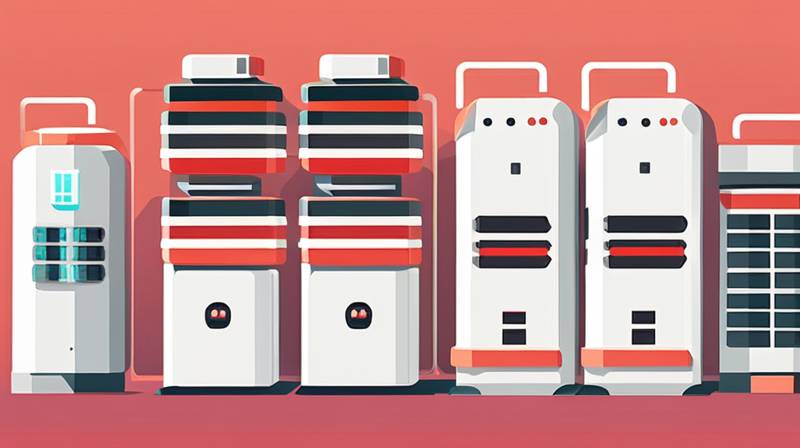
1. Energy storage containers are configured using a variety of design principles and technical elements to optimize efficiency, safety, and usability. These configurations encompass several critical aspects including: 2. Modular design allowing for scalability, 3. System integration with renewable energy sources, and 4. Advanced monitoring technology to manage performance effectively. A detailed understanding of these components is essential. The modular design facilitates the expansion of capacity based on energy demands, ensuring that the system can grow as requirements increase. Moreover, integrating such systems with renewable resources enhances the overall sustainability and effectiveness of energy usage in various applications.
1. MODULAR DESIGN PRINCIPLES
The configuration of energy storage containers is intricately linked to modular design principles, which play a pivotal role in their functionality and scalability. Modular systems allow for flexibility, enabling users to add or remove units based on their energy storage needs. By utilizing a modular setup, businesses and individuals can start with a smaller investment and expand their storage capacity as their requirements evolve. This approach not only maximizes resource utilization but also reduces expenses associated with over-specification.
Moreover, the simplicity of installation and maintenance that modular configurations provide cannot be understated. Each module can be installed independently, which minimizes downtime during the setup phase. This characteristic is particularly beneficial for commercial operations that require uninterrupted energy supply or for remote installations where ongoing maintenance must be minimized. Therefore, the modular design principle contributes significantly to the overall efficiency and adaptability of energy storage containers in diverse environments and applications.
2. INTEGRATION WITH RENEWABLE ENERGY SOURCES
Another essential aspect in the configuration of energy storage containers is the seamless integration with renewable energy sources. This synergy boosts energy efficiency and enables a more sustainable energy future. By connecting energy storage systems to renewable installations such as solar panels or wind turbines, stored energy can be utilized during peak demand periods or when renewable generation is insufficient. This integration alleviates reliance on non-renewable energy sources, contributing to a lower carbon footprint while enhancing energy independence.
Additionally, harnessing renewable energy through storage containers promotes energy arbitrage—the practice of storing electricity when costs are low and discharging it when prices spike. This not only optimizes the financial return on investments in renewable technology but also stabilizes the grid, as energy can be released during peak consumption times. Furthermore, advanced control algorithms are employed to manage the flow of energy between storage systems and renewable sources, ensuring efficiency and reliability. Such configurations ultimately result in a more resilient energy infrastructure responsive to variable energy production and consumption patterns.
3. MONITORING TECHNOLOGIES
The integration of advanced monitoring technologies represents a crucial element in the configuration of modern energy storage containers. Real-time monitoring systems facilitate thorough performance assessments and predictive maintenance. Equipped with sensors and software, these systems can track parameters such as charge/discharge cycles, temperature, and overall health of the battery cells. This data is vital for optimizing performance, as it allows operators to immediately identify any anomalies that may threaten the integrity of the storage system.
Incorporating these technologies also enhances the safety of energy storage systems. For example, temperature monitoring can prevent overheating, while SOC (state of charge) sensors ensure the batteries are not overcharged, thus extending their service life. Moreover, comprehensive analytical tools can provide actionable insights into usage patterns, identifying opportunities for efficiency improvements and facilitating more informed decision-making. As a result, the intelligent configuration of energy storage containers through advanced monitoring technologies leads to increased safety, reliability, and optimized operational efficiency.
4. SAFETY CONSIDERATIONS
Safety is paramount in the configuration of energy storage containers. Design protocols must consider fire safety, structural integrity, and environmental factors. For instance, the materials used in container construction must be fire-resistant and able to withstand environmental stressors like extreme temperatures and moisture. Adequate planning for ventilation is also critical, as proper airflow can mitigate heat buildup, thereby reducing the risk of thermal runaway in battery systems.
Furthermore, establishing fail-safes and emergency response systems within the containers is essential for enhancing safety. Direct emergency shut-off mechanisms can prevent catastrophic failures during unforeseen circumstances. Regular safety audits and compliance checks with regulatory standards also contribute to the maintenance of high safety standards. Consequently, attention to safety in the configuration of energy storage containers not only protects equipment but also safeguards personnel, ensuring that systems operate reliably and with minimal risk.
5. ENVIRONMENTAL IMPACT AND SUSTAINABILITY
The configuration of energy storage containers has significant implications for environmental sustainability. By adopting designs that prioritize eco-friendliness, the positive impact on the environment is amplified. For instance, energy storage solutions facilitate the effective integration of renewable energy sources, reducing dependency on fossil fuels and minimizing greenhouse gas emissions. Furthermore, using recyclable materials in the construction of storage systems promotes a circular economy approach, greatly reducing the ecological footprint of energy infrastructure.
Additionally, efficient energy management through storage systems reduces waste. By storing excess energy generated from renewable sources, these containers prevent energy curtailment, thus maximizing the utilization of clean energy. This holistic approach to environmental impact not only benefits ecosystems but also aligns with global efforts to combat climate change. Consequently, energy storage container configurations must prioritize sustainability at every stage, from design and implementation to ongoing operational practices.
FREQUENTLY ASKED QUESTIONS
WHAT TYPES OF ENERGY STORAGE TECHNOLOGIES ARE COMMONLY USED IN CONTAINERS?
Energy storage containers can house a variety of technologies suited to different applications and energy demands. The most commonly utilized types include lithium-ion batteries, lead-acid batteries, flow batteries, and compressed air energy storage systems. Each technology comes with its own set of advantages; for example, lithium-ion batteries are favored for their high energy density and efficiency, making them particularly popular in applications requiring rapid charge and discharge cycles. On the other hand, flow batteries are well-suited for large-scale applications, offering longer discharge durations and enhanced scalability. Ultimately, the choice of technology depends on specific use cases, budget considerations, and performance requirements.
HOW DOES MODULAR DESIGN BENEFIT ENERGY STORAGE INSTALLATIONS?
Modular design provides a multitude of benefits that are particularly advantageous for energy storage installations. Primarily, it allows for easy scalability; systems can be expanded or reduced in size based on the evolving energy requirements of users. This flexibility translates to cost-effectiveness since users can invest in smaller systems initially and upgrade as necessary without incurring significant infrastructure overhauls. Furthermore, modular units facilitate simplified installations and maintenance as each module can be serviced or replaced independently. As a result, not only do modular designs enhance operational efficiency, but they also contribute to the longevity and reliability of energy storage systems utilized across diverse landscapes.
WHAT ROLE DOES ADVANCED MONITORING PLAY IN ENERGY STORAGE PERFORMANCE?
Advanced monitoring technologies are crucial in ensuring optimal performance and safety of energy storage systems. By employing sensors that track real-time metrics such as charge rates, temperature, and cycle counts, operators gain critical insights into battery performance. These insights can lead to improved energy management practices and predictive maintenance strategies, allowing users to proactively address potential issues before they escalate. Moreover, these technologies contribute to streamlining power distribution; they facilitate efficient energy flow based on demand patterns, a key element in dynamic energy ecosystems. Therefore, investing in advanced monitoring systems significantly enhances the efficiency, safety, and longevity of energy storage containers.
The thoughtful configuration of energy storage containers is pivotal for the efficacy and safety of contemporary energy solutions. Prioritizing modular designs, integrating renewable technologies, and incorporating real-time monitoring systems establishes a framework for sustainable energy management. By ensuring safety measures are deeply embedded in these configurations, risk mitigation is not only achieved but enhanced. These design principles cater to the diverse needs of users while aligning with environmental goals designed to combat climate change. Proper configuration ultimately yields energy independence, maximizing the utilization of renewable resources and promoting a sustainable future. As technologies evolve and operators become more adept at leveraging these innovations, the future of energy storage is bound to become increasingly sophisticated, efficient, and environmentally friendly. The path towards advanced energy solutions involves embracing innovative configurations that not only meet current demands but also anticipate future challenges. This development in energy storage configuration serves as a cornerstone for a resilient and adaptable energy landscape that is increasingly reliant on renewables.
Original article by NenPower, If reposted, please credit the source: https://nenpower.com/blog/how-are-energy-storage-containers-configured/

