

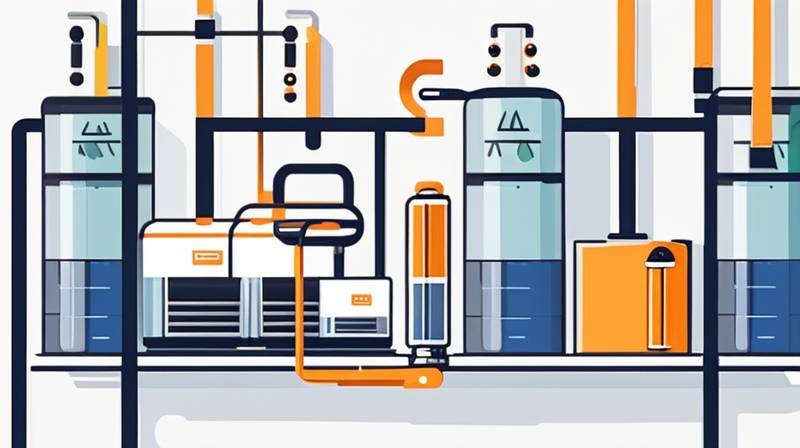
1. AI Optimizes Operational Efficiency, 2. Predictive Maintenance Improves Reliability, 3. Enhanced Energy Management Systems, 4. AI Fuels Innovation in Flow Battery Technologies. AI plays a transformative role in long-duration flow battery energy storage systems, significantly enhancing their efficiency, reliability, and overall performance. The integration of artificial intelligence (AI) in these systems enables real-time monitoring and data analysis, which is pivotal for optimizing their operational aspects. Furthermore, AI-driven predictive maintenance algorithms improve reliability by anticipating potential failures, allowing for timely interventions. Also crucial is the ability of AI to tailor energy management systems that adapt to varying load demands, ensuring optimal performance and energy distribution. Finally, AI facilitates continuous innovation within flow battery technologies, enabling the development of smarter and more sustainable energy storage solutions.
1. AI OPTIMIZES OPERATIONAL EFFICIENCY
Long-duration flow battery energy storage systems are integral to modern energy grids, allowing for the storage of excess renewable energy for later use. Artificial Intelligence (AI) significantly enhances operational efficiency in these systems by analyzing vast amounts of data and making intelligent predictions about energy consumption and battery performance. Utilizing machine learning algorithms, AI can assess historical performance data and operational metrics to optimize battery charging and discharging cycles. This allows for efficient use of the energy stored, minimizing losses and maximizing delivered power.
Moreover, AI can dynamically adjust operations based on real-time data inputs. Weather forecasts, grid demand fluctuations, and energy price changes are some factors that can be analyzed to determine the optimal times for charging and discharging. By leveraging such information, AI ensures that flow batteries operate within the most efficient parameters. The core advantage of this adaptability is the improved lifespan of battery systems, as optimized operational conditions reduce wear and tear on components. This efficiency not only lowers operational costs but also contributes to the overall sustainability of energy systems.
2. PREDICTIVE MAINTENANCE IMPROVES RELIABILITY
Another key aspect where AI contributes to long-duration flow battery systems is through predictive maintenance initiatives. This approach revolves around utilizing AI-driven analytics to foresee potential failures before they manifest into operational disruptions. By continuously monitoring the health and performance of battery components, AI can identify patterns and indicators of degradation. This foresight is instrumental in scheduling maintenance activities proactively, thereby enhancing the reliability of energy storage systems.
In implementing predictive maintenance, AI systems analyze data from sensors embedded within battery packs. These sensors monitor various parameters such as temperature, pressure, and voltage levels, providing a comprehensive view of the battery’s condition. By deploying advanced algorithms, AI can develop models that predict when certain parts may fail or require servicing, allowing operators to perform maintenance during planned downtimes rather than in response to critical failures. Consequently, predictive maintenance not only improves the reliability of long-duration flow battery storage systems but also optimizes maintenance costs and minimizes unplanned disruptions.
3. ENHANCED ENERGY MANAGEMENT SYSTEMS
AI also plays a crucial role in energy management by seamlessly integrating with long-duration flow battery storage systems. Energy management systems (EMS) powered by AI enable better forecasting and optimization of energy supply and demand, thereby enhancing overall system performance. These systems draw on historical and real-time data, including energy consumption patterns and renewable energy generation forecasts, to create intelligent energy schedules that are adaptable to changing conditions.
A major benefit of AI-enhanced EMS is its ability to execute complex optimization algorithms that balance energy loads efficiently. By accurately predicting when energy demand will peak and when it will decline, these systems can control the flow of energy in and out of the batteries with precision. For instance, during periods of low demand, excess energy can be stored, while during high-demand periods, stored energy can be efficiently released. This balancing act not only maximizes the utility of stored energy but also stabilizes the energy grid, ensuring that supply meets consumer needs effectively and sustainably.
4. AI FUELS INNOVATION IN FLOW BATTERY TECHNOLOGIES
In addition to optimizing existing systems, AI drives innovation in long-duration flow battery technology itself. By utilizing simulations and modeling, researchers and developers can assess new materials and designs, ultimately leading to improved battery efficiency and capacity. AI aids in identifying promising compounds and configurations that can enhance energy density and reduce costs, playing a critical role in the evolution of flow batteries.
Moreover, AI can facilitate rapid prototyping and testing, streamlining the research and development phase through employable computational techniques. By conducting simulations that mimic various environmental and operational conditions, developers can acquire data on how different flow battery setups will perform before actual manufacturing. This accelerates the design process, yielding advanced systems that are more efficient, cost-effective, and environmentally friendly. In a world that is inclined towards clean energy, AI’s contribution to innovation in flow battery technology represents a critical move towards sustainable energy solutions.
AI IN FLOW BATTERY SYSTEMS: FREQUENTLY ASKED QUESTIONS
WHAT IS A LONG-DURATION FLOW BATTERY?
A long-duration flow battery is a type of energy storage system that utilizes liquid electrolytes to store and release electrical energy. Distinct from conventional batteries, flow batteries can provide energy over extended periods, making them ideal for renewable energy applications such as solar and wind. These batteries function through the circulation of electrolytes in external tanks, allowing for scalable energy capacity and simplified recharging processes. Their unique design permits longer discharge durations, typically ranging from several hours to days, thus ensuring that large amounts of energy can be used during peak demand times. The adaptability and longevity of flow batteries make them a favorable choice for energy systems requiring storage solutions that can accommodate periods of low energy generation or high demand.
HOW DOES AI CONTRIBUTE TO ENERGY EFFICIENCY IN FLOW BATTERIES?
AI contributes to energy efficiency in flow batteries primarily through real-time analytics and decision-making capabilities. By processing large datasets, AI identifies optimal charging and discharging cycles, effectively minimizing energy losses. Algorithms can predict the best times to store or release energy, ensuring high operational efficiency. Furthermore, AI enhances maintenance schedules through predictive analytics, thus prolonging the lifespan of battery systems. This efficiency not only improves the overall functionality of the flow battery but also supports the broader energy grid by supplying and storing renewable energy in a more sustainable way.
WHAT ADVANTAGES DOES PREDICTIVE MAINTENANCE OFFER FOR FLOW BATTERIES?
Predictive maintenance plays a pivotal role in maximizing the reliability and efficiency of flow batteries. Its key advantages include early detection of potential failures, reduced maintenance costs, and minimized downtime. Through real-time monitoring and analysis, AI systems can identify issues before they escalate into significant problems, allowing for timely interventions. This proactive approach not only enhances the lifespan of battery systems but also ensures uninterrupted energy supply. Furthermore, by optimizing maintenance schedules based on accurate predictions, organizations can better allocate resources and reduce overall operational expenditures.
In summary, the integration of artificial intelligence into long-duration flow battery energy storage systems offers substantial enhancements across various operational facets. AI optimizes operational efficiency by analyzing vast datasets for better decision-making related to charging and discharging cycles. This leads to evident improvements in battery lifespan and performance. Additionally, predictive maintenance enabled by AI ensures reliability, allowing for proactive identification of potential issues before they affect operations. Enhanced energy management systems powered by AI streamline energy distribution, matching energy supply with demand seamlessly, thereby contributing to grid stability. Furthermore, the role of AI in fostering innovation within flow battery technologies cannot be overstated. The accelerated research and testing facilitated by AI pave the way for the development of more efficient, sustainable, and cost-effective energy storage solutions.
The advancements brought forth by AI promise a new era of intelligent energy storage systems capable of meeting the challenges posed by growing energy demands and the increasing reliance on renewable energy resources. As the energy landscape continues to evolve, the pairing of AI technologies with flow battery systems will be essential for achieving sustainable energy goals. The ongoing research and implementation of AI-driven solutions will undoubtedly shape the future of energy storage, leading to more resilient and efficient energy infrastructures worldwide.
Original article by NenPower, If reposted, please credit the source: https://nenpower.com/blog/how-ai-enhances-long-duration-flow-battery-energy-storage-systems/

