

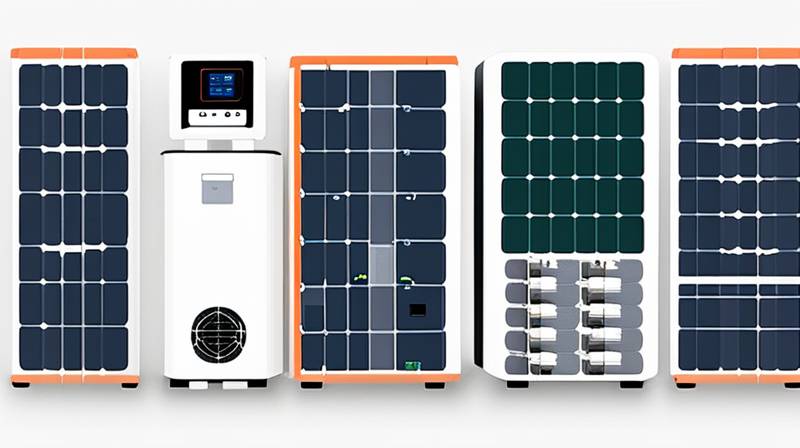
1. Yunfu distributed energy storage represents a significant advancement in energy management, offering several benefits: 1) Enhanced energy reliability through diverse sources, 2) Cost efficiency by optimizing energy use, 3) Supporting renewable energy integration, 4) Promoting sustainable development by reducing carbon footprints. The first point, enhanced energy reliability, is particularly crucial, as deploying distributed energy storage systems can mitigate the impacts of outages and ensure continuous power supply, especially in regions prone to energy shortages.
1. INTRODUCTION TO YUNFU DISTRIBUTED ENERGY STORAGE
Yunfu, a city noted for its strategic efforts toward sustainable development, is embracing distributed energy storage solutions as a core component of its energy strategy. The rise of this technology is aligned with global movements toward energy independence and environmental sustainability. As energy demands increase and traditional energy sources face critical challenges, distributed energy storage provides a viable alternative by leveraging locally generated power. This method not only enhances energy efficiency but also empowers communities to take control of their energy production and consumption.
Distributed energy storage systems (DESS) transform the energy landscape by decentralizing energy generation and storage. DESS can be integrated with renewable resources such as solar panels or wind turbines, allowing for the capture and utilization of energy that would otherwise be wasted. The growing interest in this technology in Yunfu highlights its potential for local economic development and job creation, while also addressing the pressing need for clean energy solutions.
2. BENEFITS OF DISTRIBUTED ENERGY STORAGE
Improved Energy Reliability
One of the standout advantages of implementing distributed energy storage in Yunfu is the enhancement of overall energy reliability. Urban centers can face significant challenges such as power outages or fluctuations due to an over-reliance on centralized energy systems. Distributed energy storage systems provide backup power, allowing for seamless transitions during outages. This capability not only assures continuous power supply for critical facilities such as hospitals and emergency services but also enhances the overall resilience of the energy grid.
Moreover, DESS can assist in balancing energy demand and supply effectively. When demand surges, energy storage systems can dispatch stored energy, decreasing the pressure on the central grid. In situations where demand wanes, these systems can absorb surplus energy, thereby stabilizing the grid. This dynamic interaction between supply and demand is crucial for ensuring a stable energy environment, particularly in growing urban centers like Yunfu.
Cost Optimization
Another pressing benefit is the potential for cost optimization. Distributed energy storage offers techniques to reduce energy expenses associated with peak demand charges. By storing energy when it is less expensive to purchase (usually during off-peak hours), consumers can access this stored energy during peak demand times, avoiding higher costs associated with increased consumption. Furthermore, these systems can facilitate participation in demand response programs, where users are incentivized to reduce or shift their energy usage during peak periods.
Economic Impact
The financial implications extend well beyond individual utility savings. The installation and maintenance of distributed energy storage systems can stimulate local economies by generating employment opportunities within the renewable energy sector. Emerging job roles in manufacturing, installation, and maintenance of these systems necessitate a skilled workforce, prompting the need for training programs and educational initiatives. Additionally, as communities adopt these technologies, they can attract further investments in related sectors, establishing Yunfu as a growing hub for innovative energy solutions.
3. INTEGRATION WITH RENEWABLE ENERGY SOURCES
Enabling Renewable Energy Proliferation
Distributed energy storage is intrinsically linked to the effective integration of renewable energy sources. As Yunfu strives to incorporate more solar and wind power into its energy mix, energy storage solutions play a critical role. By providing a mechanism to store excess energy generated during peak generation times, these systems help mitigate the intermittency issues associated with renewable resources. This means that even when sunlight fades or winds cease, energy remains accessible to meet consumer demands.
Furthermore, the synergy between distributed energy storage and renewable energy amplifies the impact of sustainable practices. Communities that harness these technologies contribute significantly to achieving both national and international energy goals, including carbon reduction targets. The ability to store renewable energy also enhances the viability of these sources, leading to greater public acceptance and investment in sustainable energy projects throughout the region.
Grid Stability and Flexibility
The flexibility offered by distributed energy storage systems is pivotal in enhancing grid stability. Through advanced energy management techniques such as demand-side management, DESS can respond to real-time data about energy consumption patterns. This responsiveness not only optimizes energy distribution but also permits adjustments in light of fluctuating input from renewable sources. For instance, during sunny days when solar energy generation spikes, DESS enables the efficient harnessing of this energy, ensuring that it is utilized rather than discarded.
Additionally, as electric vehicles (EVs) become more prevalent, they can serve as mobile energy storage units, further boosting the grid’s dynamism. When integrated into the DESS framework, EVs can transfer stored energy back to the grid during peak demand periods or when renewable generation is low, creating a highly responsive energy ecosystem in Yunfu.
4. TECHNOLOGICAL ADVANCEMENTS IN DISTRIBUTED ENERGY STORAGE
Innovations Driving Change
Technological advancements have rendered distributed energy storage systems increasingly efficient and cost-effective. Innovations in battery technology, particularly lithium-ion and solid-state batteries, have dramatically improved energy density, cycle life, and recycling capabilities. These developments ensure that energy storage systems can store larger amounts of energy for extended periods, significantly scaling the potential for residential, commercial, and industrial applications.
Moreover, smart grid technologies facilitate real-time monitoring and management of energy flows, enhancing the functionality of distributed energy storage systems. Integrating Internet of Things (IoT) devices enables users to control their energy consumption patterns proactively while optimizing storage utilization. Such advancements pave the way for more adaptive energy consumption, reducing costs while maximizing the use of renewable generation.
Regulatory and Policy Support
The growth of distributed energy storage systems in Yunfu does not occur in isolation; it is significantly influenced by regulatory frameworks and policy initiatives. Governments worldwide are increasingly recognizing the need to support the transition to decentralized energy solutions through grants, incentives, and supportive legislation. In Yunfu, local policies aimed at fostering innovation in energy technology create a conducive environment for the adoption of DESS.
Moreover, favorable regulations lessening the barriers for rooftop solar installations and energy storage deployments encourage homeowners and businesses to invest in energy storage systems. As such, the ongoing development and refinement of policies surrounding distributed energy systems are fundamental in realizing Yunfu’s vision of a sustainable energy future.
FREQUENTLY ASKED QUESTIONS
WHAT IS DISTRIBUTED ENERGY STORAGE?
Distributed energy storage refers to localized systems that store energy generated from various sources, including renewable energy, for later use. Unlike traditional centralized storage that relies on large facilities, distributed systems are installed closer to the end-user, allowing for immediate access to stored energy. This approach enhances energy efficiency and reliability while diminishing the reliance on centralized power grids. The growing adoption of distributed energy storage is driven by the increasing penetration of renewable energy technologies and the need for more resilient energy infrastructure. In cities like Yunfu, these systems provide greater operational flexibility, ensuring that energy is available during peak times or outages. Their ability to store energy also allows energy consumers to manage their electricity bills more effectively, taking advantage of lower rates during off-peak hours while maximizing the environmental benefits associated with renewable energy utilization.
WHAT ARE THE BENEFITS OF HAVING DISTRIBUTED ENERGY STORAGE IN YUNFU?
The advantages of incorporating distributed energy storage systems in Yunfu are multifaceted. Firstly, they provide enhanced energy resilience, enabling communities to manage power outages and fluctuations. This reliability is crucial for business continuity and public safety. Secondly, these systems contribute to cost savings by allowing users to store energy when prices are lower and access it during peak demand periods. Placement of energy storage systems near the point of consumption reduces transmission losses associated with long-distance energy transport and increases overall efficiency. Additionally, by facilitating the integration of renewable energy sources, distributed energy storage aids Yunfu’s commitment to reducing its carbon footprint and promoting sustainable practices. The economic impact of DESS is notable as well; as local economies benefit from job creation and investment opportunities within the renewable energy sector, fostering further innovation and growth.
HOW DOES DISTRIBUTED ENERGY STORAGE IMPROVE GRID STABILITY?
Distributed energy storage directly enhances grid stability by providing rapid and flexible solutions to manage supply and demand fluctuations. By storing energy generated during off-peak times, these systems can feed energy back into the grid during peak consumption, reducing stress on central power plants. This bi-directional capability assists local utilities in maintaining balance, especially in regions with high penetrations of intermittent renewable resources. Additionally, as demand-response programs evolve, distributed energy storage can be pivotal in reacting to real-time grid conditions, allowing users to shift their consumption patterns dynamically. Such responsiveness ensures that energy availability remains consistent, diminishing the risk of outages while promoting efficient use of resources. The cumulative effect is a more resilient energy infrastructure that can withstand shocks, adapt to changing circumstances, and facilitate a sustainable transition towards increased renewable energy usage.
IN SUMMARY: THE FUTURE OF YUNFU DISTRIBUTED ENERGY STORAGE
Yunfu’s journey toward adopting distributed energy storage signifies not merely technological progress but a dedicated pivot toward sustainable energy practices. Through electronic advancements coupled with thoughtful policy support, the landscape for energy generation and consumption has commenced a transformative phase. Residents and businesses in Yunfu increasingly recognize the diverse benefits of employing these systems, particularly in bolstering energy reliability and optimizing costs. With growing participation in renewable energy initiatives and the bolstering of local economies, the city positions itself at the forefront of clean energy innovation.
Such developments herald a robust shift across many ongoing initiatives, empowering communities to actively participate in their energy management. The implications extend beyond local utility consumption, generating an upward trend that resonates significantly within broader ecological frameworks and economic paradigms. As Yunfu continues to embrace distributed energy storage, the resultant synergies will undoubtedly foster an environment poised not only for energy independence but for sustainable development that serves as a model for other regions globally. The focus is not simply on achieving today’s energy challenges but building a foundation that ensures resilience for generations to come.
Through sustained commitment to these ideals, Yunfu is carving a remarkable path towards a cohesive energy solution that highlights autonomy and innovation, which serves as an illustration for others attempting to navigate the complexities of modern energy demands. As stakeholders close the gaps in knowledge, investment, and collaboration, distributed energy storage will play a monumental role in shaping the energy future of Yunfu and beyond.
Original article by NenPower, If reposted, please credit the source: https://nenpower.com/blog/how-about-yunfu-distributed-energy-storage/

