

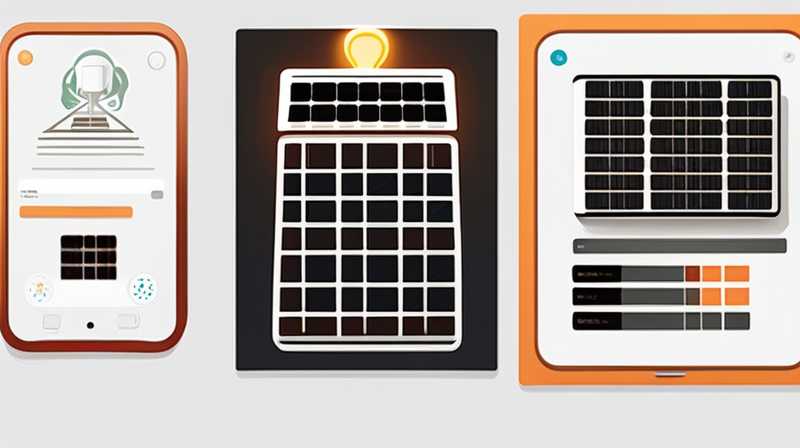
Solar-powered learning lamps represent a transformative approach to educational tools, combining sustainability with functionality. 1. They offer an environmentally friendly solution by utilizing renewable energy, minimizing dependency on electricity from non-renewable sources. 2. The portability and design promote flexible learning environments that can adapt to various educational settings, from traditional classrooms to outdoor study areas. 3. Cost-effectiveness is a significant advantage, as solar-powered lamps reduce electricity bills for schools and individuals while providing consistent lighting. 4. Such tools foster a sense of responsibility towards environmental conservation among students, cultivating awareness about sustainability and energy use.
A vital aspect of solar-powered learning lamps is their capability to function irrespective of the grid. This feature is particularly beneficial in regions with unstable electricity supplies, where learning can be heavily hindered by power outages. By employing solar energy, these lamps ensure that students have access to light whenever needed, which is essential for study sessions or homework. The environmental impact offsets the initial investment, contributing to a greener planet for future generations. As a result, implementing solar-powered learning lamps can substantially enhance learning opportunities while simultaneously promoting sustainable practices.
1. ADVANTAGES OF SOLAR-POWERED LEARNING LAMPS
The benefits associated with solar-powered learning lamps are both multifaceted and significant. The most notable advantage is the environmental impact, as these lamps utilize solar energy, which reduces carbon footprints compared to conventional electric lamps. This shift not only aids in minimizing greenhouse gas emissions but also encourages a broader movement towards renewable energy adoption. Additionally, embracing such technology reflects a commitment to sustainable practices, which is increasingly vital given the pressing challenges posed by climate change.
Moreover, the financial implications of switching to solar-powered lighting cannot be underestimated. Despite the initial investment, these lamps lead to significant savings in the long run. With minimal maintenance costs and no consumption of traditional electricity, schools can allocate resources toward other educational needs, thereby enhancing overall learning experiences. Furthermore, the durability and longevity of solar lamps add to their economic appeal, ensuring they can withstand various conditions while providing reliable service over extended periods.
2. VERSATILITY AND USAGE
The design of solar-powered learning lamps exhibits remarkable versatility, catering to various educational environments. They can be effectively utilized in classrooms, libraries, and even during outdoor activities, ensuring that students have consistent lighting while they learn. This adaptability promotes engagement and interaction, particularly in settings that benefit from a more casual learning atmosphere. The portability of these lamps allows them to be easily transported, enabling educational outreach programs in remote areas lacking reliable electricity infrastructure.
In more practical terms, solar-powered learning lamps are tailored to support different learning styles. For instance, students who prefer to study in quieter, personalized spaces can benefit from the mobility of these lamps. Furthermore, teachers can utilize them for outdoor lessons, transforming traditionally confined learning spaces into interactive, hands-on experiences. This adaptability encourages creativity and flexibility in lesson planning, ultimately enhancing the educational process for both students and educators.
3. IMPACT ON STUDENT LEARNING OUTCOMES
Research indicates a direct correlation between adequate lighting and improved student performance. With solar-powered learning lamps, students can engage in their studies without the distractions and frustrations caused by poor lighting conditions. This improved focus can lead to better comprehension, retention, and performance in academic tasks. A well-lit environment not only enhances concentration but also fosters a more conducive atmosphere for collaborative projects and discussions, crucial elements in modern education.
Moreover, exposure to sustainable technologies instills a sense of resilience and innovation among students. Engaging with solar-powered lamps can inspire interest in science, technology, engineering, and mathematics (STEM) subjects. As students explore renewable energy sources, they develop critical thinking skills and become more analytical in their approach to problem-solving. This focus on STEM education is vital for preparing the next generation for challenges related to energy management, environmental stewardship, and technological advancements.
4. CHALLENGES AND CONSIDERATIONS
While the advantages of solar-powered learning lamps are numerous, several challenges still need addressing. Initial costs can be a barrier for some educational institutions, particularly those operating with tight budgets. Although long-term savings are evident, obtaining funding or grants for upfront expenditures can pose significant hurdles. Schools and organizations may need to strategize and seek external resources to effectively incorporate these tools into their curriculum.
Additionally, understanding the performance and functionality of solar-powered lamps in different climates and geographical areas is essential. Factors such as sunlight availability, seasonal changes, and local weather patterns can influence the efficiency and effectiveness of these devices. Educational stakeholders must conduct thorough evaluations before implementation to ensure that solar-powered lighting meets the needs of students and educators adequately.
5. INNOVATIONS IN SOLAR TECHNOLOGY
The field of solar-powered lighting has witnessed incredible advancements in technology in recent years. Innovative designs, better-quality solar panels, and improved energy storage solutions have elevated efficiency levels. For instance, modern solar lamps now feature energy-efficient LEDs that consume less power while providing superior illumination. These technological developments not only enhance the performance of solar-powered learning lamps but also extend their usability across multiple environments.
Furthermore, the integration of smart technology into solar-powered lamps is an emerging trend. Features such as motion sensors, adjustable brightness, and mobile app connectivity can optimize energy consumption and user experience. By employing these advanced functionalities, educational institutions can create tailored lighting solutions that adapt to specific needs and preferences, fostering an even more effective learning atmosphere.
6. ENVIRONMENTAL EDUCATION THROUGH SOLAR LAMPS
The incorporation of solar-powered learning lamps also plays a pivotal role in promoting environmental education. By utilizing these renewable energy solutions, educational institutions can integrate sustainability themes into their curriculum. Lessons about the science of solar energy, the importance of conservation, and the impact of human actions on the environment can be woven throughout various subjects. This engagement not only informs students about pressing environmental issues but also empowers them to advocate for positive change.
Additionally, using solar lamps creates a physical representation of renewable energy’s potential, encouraging students to think critically about energy sources and their implications. Through hands-on experiences with solar technology, students are more likely to become advocates for sustainability within their communities, promoting a collective effort towards a greener future. As global citizens, their contributions can help drive the transition to cleaner energy sources.
FAQs
WHAT ARE THE MAIN BENEFITS OF SOLAR-POWERED LEARNING LAMPS?
The primary advantages of solar-powered learning lamps include their environmental impact, portability, cost-effectiveness, and enhancement of educational experiences. Sustainability is a core benefit, as they minimize reliance on conventional energy sources and promote renewable energy use. Portability ensures that students can study in various settings, while cost-effectiveness leads to significant savings on electricity. Overall, solar-powered lamps foster learning environments that are flexible, engaging, and environmentally conscious.
HOW DO SOLAR-POWERED LAMPS WORK?
Solar-powered learning lamps function by converting sunlight into electrical energy. Solar panels, typically installed on the lamp’s surface, collect sunlight during the day and convert it into direct current (DC) electricity. This electricity charges a battery, which stores energy for later use. At night or during cloudy conditions, the stored energy is utilized to power the lamp, providing illumination as needed. This efficient use of solar energy allows for consistent lighting independent of traditional electricity sources.
CAN SOLAR-POWERED LAMPS BE USED IN ALL CLIMATES?
While solar-powered lamps can function in various climates, their efficiency may vary depending on solar exposure. In regions with abundant sunlight, these lamps typically perform well and provide reliable illumination. However, in areas with frequent overcast conditions or limited sunlight, users may need to consider additional factors, such as lamp size, battery capacity, and energy management. In conclusion, while they are versatile and innovative tools for learning, users must evaluate their specific environmental conditions for optimal use.
To summarize, the emergence of solar-powered learning lamps marks a significant advancement in educational technology, blending sustainability with practicality. Their capacity to reduce reliance on traditional energy sources, together with the promotion of environmental awareness among students, creates an opportunity to enhance learning experiences while fostering a commitment to renewable energy. By addressing financial and logistical challenges, educational institutions can fully embrace the advantages offered by these innovative tools. Additionally, with the continuous evolution of solar technology, future developments will likely further enhance the feasibility and efficiency of solar-powered learning lamps. Ultimately, the integration of these tools not only supports improved academic outcomes but also equips students with valuable knowledge and skills for navigating a sustainable future.
Original article by NenPower, If reposted, please credit the source: https://nenpower.com/blog/how-about-solar-powered-learning-lamp/

