

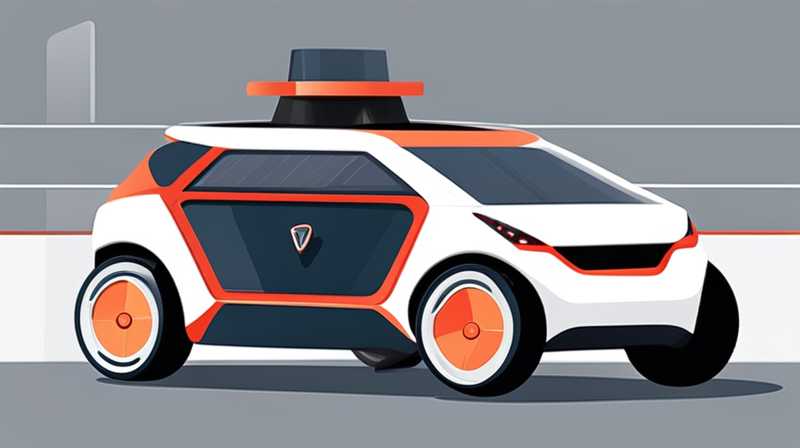
1. Solar-powered electric vehicles present a transformative approach to sustainable transportation, emphasizing several key aspects: 1) They harness renewable energy, 2) They reduce greenhouse gas emissions effectively, 3) They promote energy independence through localized energy generation, and 4) They minimize reliance on fossil fuels, encouraging a shift towards cleaner technologies. One significant aspect is the ability of these vehicles to integrate solar panels directly into their structure, allowing them to charge while parked or driving under sunlight. This dual functionality enhances convenience and aligns with energy efficiency goals in the automotive sector. The increasing availability of solar technology and advancements in battery storage further bolster the viability of solar-powered electric cars, allowing them to play a crucial role in the transition to a more sustainable future in personal and public transportation.
1. RENEWABLE ENERGY UTILIZATION
Solar-powered electric vehicles capitalize on the abundant and inexhaustible resource of solar energy. The integration of photovoltaic panels into vehicle designs allows these cars to convert sunlight into usable electricity. This transition from traditional energy sources to renewable power significantly alters how individuals consider fueling their vehicles, fundamentally leveraging technology to reduce reliance on fossil fuels.
The ability to use solar energy introduces a paradigm shift in vehicle operation. Owners can recharge their cars during the day while parked, effectively increasing the efficiency of their energy consumption. Some electric vehicles come equipped with rooftop solar panels that contribute power directly to the battery system. This innovative approach not only compresses expenses related to charging at electrical outlets but also prolongs the vehicle’s range and contributes to greater sustainability. Ultimately, it underscores the importance of transitioning to renewable energy sources as an integral element of environmental conservation.
2. ENVIRONMENTAL IMPACT
The impact of solar-powered electric vehicles on the environment cannot be overstated. Primarily, they play a pivotal role in reducing greenhouse gas emissions. By minimizing the need for gasoline and diesel, these vehicles help alleviate air pollution and combat climate change. Numerous studies have highlighted the ecology-friendly qualities attributed to electric cars, and integrating solar technology results in even lower levels of carbon footprints.
Furthermore, these vehicles promote the concept of a circular economy, where resources are utilized more sustainably. The construction and deployment of solar-powered electric cars encourage the use of recyclable materials and aim to minimize waste. Noteworthy efforts in manufacturing cars with sustainable processes demonstrate the commitment of many companies to environmental accountability. By prioritizing ecological benefits alongside fuel efficiency, solar-powered vehicles set an exemplary standard for future advancements in the automotive sector.
3. ENERGY INDEPENDENCE
In an era where energy independence is critical, solar-powered electric cars offer a pathway toward self-sufficiency. Incorporating solar technology allows vehicle owners to generate their own electricity. This fundamental shift can reduce the demand for external energy sources, lessening the impact of fluctuating energy prices and global instability. By relying on sunlight for power, individuals escape the traditional constraints imposed by conventional fuel infrastructure and develop a robust framework for energy autonomy.
Moreover, the concept of distributed energy generation is transforming the landscape of personal transportation. Households equipped with solar panels can harness energy not just for household use but also for charging their electric vehicles. This notation aligns with the idea of a smart grid, encouraging communities to adopt more integrated energy solutions. The advancements in battery storage technology further complement this movement, ensuring that energy created during sunny periods can be utilized even when the sun is not shining. Thus, empowering individuals with more control over their energy sources mitigates vulnerabilities associated with reliance on a singular energy system.
4. ECONOMIC CONSIDERATIONS
The economic implications of solar-powered electric vehicles are profound and multifaceted. Initially, the upfront costs associated with purchasing these vehicles can be significant. However, advancements in technology continue to lower the prices of both electric vehicles and solar panels. As these costs decrease, an increasing number of consumers will likely consider the long-term financial benefits presented by solar technology in reducing fuel and maintenance expenses.
Additionally, the concept of government incentives plays a crucial role in the adoption of solar-powered electric cars. Many jurisdictions offer tax credits and rebates for utilizing renewable energy sources and investing in electric vehicle infrastructure. Such policies create a more favorable economic climate for potential buyers while also enabling broader acceptance of the technology. This encourages private investment within the renewable energy sector, leading to job creation and enhanced economic stability.
5. TECHNOLOGICAL ADVANCEMENTS
The evolution of solar-powered electric cars is duly supported by a series of technological advancements that continue to redefine their functionality and performance. Innovations in solar panel efficiency have drastically improved the capture of sunlight, leading to greater energy conversion. As research and development in this field progresses, the potential for even more effective solar capabilities on vehicles increases concurrently.
Battery technology advancements also contribute significantly to enhancing the viability of solar-powered electric vehicles. Increasing energy storage capacity means that these vehicles can maintain higher efficiency even during non-optimal conditions. Coupled with advances in lightweight materials and aerodynamics, the possibility for longer ranges and better performance under varying conditions solidifies the place of solar vehicles in the future of transportation. Continuous innovation in charge management systems ensures that these vehicles can smartly distribute energy between solar collection, battery storage, and propulsion to optimize overall effectiveness.
Frequently Asked Questions
WHAT ARE THE ADVANTAGES OF SOLAR-POWERED ELECTRIC CARS?
Solar-powered electric vehicles present numerous advantages that enhance their appeal to consumers and society alike. Firstly, the primary benefit is the reduction in greenhouse gas emissions, as these vehicles utilize renewable energy sources instead of fossil fuels. This transition contributes significantly to a cleaner environment and helps mitigate climate change impacts. Secondly, the integration of solar panels allows these vehicles to recharge using sunlight, providing vehicle owners with significant savings on fuel costs over time. It also promotes energy independence, enabling individuals to generate their own electricity for transportation needs.
Furthermore, solar-powered electric vehicles often entail lower maintenance costs than conventional vehicles, since they come equipped with fewer moving parts and do not rely on traditional combustion engines. The potential for incentives, such as tax credits and rebates, further sweetens the deal for prospective buyers. Overall, these attributes collectively reinforce the argument for adopting solar-powered electric vehicles as a viable solution for sustainable transportation.
HOW DOES SOLAR TECHNOLOGY AFFECT BATTERY PERFORMANCE?
The synergy between solar technology and battery performance is crucial in maximizing the efficiency of solar-powered electric vehicles. Solar panels integrated into these vehicles generate electricity directly from sunlight, which can either be stored in the battery for later use or be utilized immediately to power the vehicle. This mechanism allows the vehicle to extend its driving range and prolong energy availability. The direct link between solar energy captured and battery usage plays a vital role in the overall efficiency of the system.
Additionally, advancements in battery technology have led to increased storage capacity, enabling these vehicles to harness and store more energy than ever before. Modern batteries can manage the energy derived from solar panels, optimizing their discharge for efficient power consumption. The incorporation of smart energy management systems allows for better control over energy conversion and distribution, ultimately enhancing battery longevity and performance. Therefore, the ongoing enhancements seen in both solar technology and battery systems contribute to higher performance, efficiency, and reliability for solar-powered electric vehicles.
WHAT IS THE FUTURE OF SOLAR-POWERED ELECTRIC VEHICLES?
The future prospects for solar-powered electric vehicles are remarkably promising. As society shifts toward more sustainable practices, the increasing emphasis on green technology suggests that these vehicles will become central to that evolution. The expanding awareness of climate change impacts has resulted in heightened demand for eco-friendly transportation solutions. Solar-powered electric vehicles stand poised to address this demand, offering numerous benefits in terms of emissions reduction and sustainable energy use.
Technological advancements will continue to enhance solar efficiency and battery performance, paving the way for increased adoption rates of these vehicles. Moreover, empirical research into solar energy integration into public transportation could revolutionize logistic frameworks in urban settings. Interconnected strategies involving government policies, private innovation, and consumer acceptance will collectively bolster the momentum driving solar-powered electric vehicles into mainstream markets. Furthermore, as the range and performance of these vehicles continue to improve, they will undoubtedly become a pivotal component of modern transportation systems.
The transition towards solar-powered electric vehicles marks an important milestone in the quest for sustainable transportation solutions. Such vehicles not only contribute to the reduction of greenhouse gas emissions, but they also leverage the abundant resource of solar energy, promoting energy independence and minimizing reliance on fossil fuels. Similarly, the economic landscape reshaped by technological advancements has created a fertile ground for innovative practices, encouraging consumers to consider eco-friendlier alternatives. The integration of solar technology into electric vehicles paves the way for enhanced performance and efficiency, rendering them a viable option for future mobility. By championing this initiative, individuals can partake in fostering a cleaner, more environmentally conscious society while simultaneously experiencing the long-term financial benefits associated with owning a solar-powered vehicle. As developments continue to unfold, it becomes increasingly evident that the integration of solar technologies within vehicles embodies a holistic, sustainable approach to modern transportation challenges, reinforcing the belief that a cleaner, greener future is attainable through innovative advancements and conscious consumerism.
Original article by NenPower, If reposted, please credit the source: https://nenpower.com/blog/how-about-solar-powered-electric-cars/

