

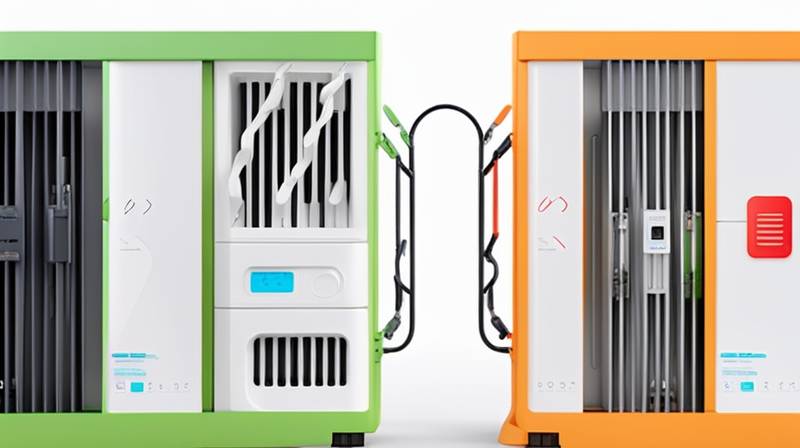
The Shenling energy storage liquid cooling unit represents a significant advancement in the field of thermal management for energy storage systems. 1. This innovative technology enhances efficiency, 2. prolongs battery lifespan, 3. reduces maintenance costs, 4. optimizes energy consumption. With the growing demand for sustainable energy solutions, efficient thermal management has become indispensable. The Shenling system utilizes a liquid cooling mechanism that mitigates the risks associated with high temperatures, which can lead to decreased performance and safety hazards within battery systems.
Moreover, by implementing this cooling unit, users can expect consistent energy output, enabling better performance in both residential and commercial settings. The extensive design considerations incorporated into the Shenling unit ensure its effectiveness across various climate conditions, making it a versatile option for diverse energy storage applications.
1. EVOLUTION OF ENERGY STORAGE TECHNOLOGIES
In the contemporary landscape of energy storage, advancements emerge rapidly. Traditional methods such as lead-acid batteries have begun to phase out in favor of more innovative solutions, like lithium-ion batteries. A primary driver for this transition is the urgent need for enhanced energy efficiency and sustainability. These newer technologies are engineered to meet the demands for higher energy densities and longer operational lifespans.
Moreover, during the development of energy storage units, the importance of thermal management cannot be overstated. Thermal performance directly affects battery efficiency and safety. High operating temperatures can lead to significant performance degradation and shorten the life expectancy of batteries, constraining their viability for large-scale deployments. Innovation in cooling techniques has become a necessity, prompting the development of solutions like the Shenling unit.
2. MECHANICS OF LIQUID COOLING TECHNIQUES
The Shenling energy storage liquid cooling unit utilizes a closed-loop liquid cooling system designed to efficiently transfer heat away from the battery cells. This cooling method employs a refrigerant fluid that circulates within the unit, absorbing excess heat and transferring it to a heat exchanger. By effectively regulating the temperature, the Shenling unit ensures that the operating environment remains stable, enhancing battery performance under diverse conditions.
The design of the unit reflects a commitment to optimizing performance and reliability. The use of advanced materials and engineering principles aims to deliver a significant reduction in thermal resistance, which in turn maximizes the heat dissipation efficiency. In extreme conditions, this technology plays a crucial role in maintaining operational integrity and safety, thus reassuring users that their energy systems will function reliably without risking thermal runaway incidents.
3. IMPACT ON ENERGY EFFICIENCY
Incorporating the Shenling unit into energy storage infrastructure yields noteworthy improvements in energy efficiency. Maintaining optimal temperatures ensures that lithium-ion batteries operate closer to their peak performance, reducing energy losses that typically occur due to thermal stress. Moreover, keeping temperatures under control allows for higher charge and discharge rates, which translates into better performance metrics for users.
From an operational standpoint, companies can expect a return on investment due to lower energy costs, as systems that operate efficiently tend to consume less power overall. Additionally, optimizing energy consumption through advanced cooling mechanisms plays a pivotal role in integrating energy storage solutions with renewable energy sources, such as solar and wind. This adaptability is critical in fostering a sustainable energy future and encouraging broader acceptance of renewable technologies.
4. LONG-TERM BENEFITS FOR BATTERY LIFESPAN
One of the most compelling advantages of integrating the Shenling energy storage liquid cooling unit is its capacity to extend the lifespan of batteries significantly. Excessive heat is one of the primary accelerants of battery degradation, leading to a diminished capacity and increased likelihood of failure over time. With enhanced thermal management, the Shenling unit mitigates these hazardous conditions.
Long-term reliability is crucial for consumers and business operators alike. By capitalizing on cutting-edge cooling technologies, businesses can maximize their investments, ensuring that batteries perform efficiently throughout their expected lifecycle. This longevity not only reduces replacement costs but also lessens environmental impact, as fewer batteries mean less waste generated over time. The Shenling unit exemplifies how thoughtful design choices can yield sustainable solutions in energy storage technologies.
5. ECONOMIC IMPLICATIONS OF DEPLOYMENT
Adopting the Shenling energy storage liquid cooling unit presents compelling economic considerations. Initially, businesses may perceive the investment as substantial; however, the resulting operational efficiencies lead to significant cost savings over time. Energy-efficient systems generally result in lower utility bills and a reduction in maintenance costs associated with frequently replacing subpar thermal management equipment.
Moreover, as energy storage solutions become more integral to energy networks, the demand for reliable cooling technologies will likely surge. Early adopters of effective solutions such as the Shenling unit will benefit economically through increased competitiveness in an evolving market. Businesses that prioritize thermal management solutions stand to gain rugged advantages, positioning themselves as leaders in an increasingly demanding energy landscape.
FREQUENTLY ASKED QUESTIONS
WHAT ARE THE ADVANTAGES OF USING THE SHENLING ENERGY STORAGE LIQUID COOLING UNIT?
The Shenling energy storage liquid cooling unit offers several key advantages. First and foremost, it enhances energy efficiency significantly. By maintaining optimal temperatures, it ensures that batteries operate at peak performance, leading to reduced energy consumption and operational costs. Additionally, implementing this cooling technology prolongs battery lifespan, minimizing the frequency of replacements and the environmental impact associated with battery disposal. Users also benefit from reduced maintenance costs, as fewer thermal management interventions are needed, ultimately allowing for better resource allocation and reduced downtime in energy systems.
HOW DOES THE LIQUID COOLING SYSTEM WORK IN THE SHENLING UNIT?
The liquid cooling system within the Shenling unit employs a closed-loop mechanism that utilizes a specially designed refrigerant fluid. This fluid circulates through the unit, absorbing excess heat generated by the battery cells. As the fluid warms up, it travels to a heat exchanger where it releases the absorbed heat, thereby cooling down before returning to the battery compartment. This continuous cycle ensures that the internal temperature remains stable, effectively preventing overheating, which can lead to performance degradation and safety hazards. The design and engineering behind this system underscore its efficiency and reliability, making it a popular choice for advanced energy storage solutions.
CAN THE SHENLING ENERGY STORAGE UNIT BE USED IN VARIOUS CLIMATIC CONDITIONS?
Indeed, the Shenling energy storage unit is designed to operate effectively in various climatic conditions, making it a versatile solution for energy storage applications. Its advanced thermal management technologies allow it to function optimally in both extreme heat and cold environments. By utilizing robust materials and engineering methods, the unit ensures maximum performance across a broad temperature range. This adaptability is particularly critical for users who may experience diverse environmental conditions, such as those located in regions with significant seasonal temperature fluctuations. Overall, this versatility reinforces the Shenling unit’s standing as a reliable choice across different geographical and climatic contexts.
In summary, the Shenling energy storage liquid cooling unit presents a transformative advancement in energy storage systems, delivering unprecedented thermal management capabilities. By harnessing liquid cooling technology, this unit significantly enhances efficiency, thereby prolonging battery lifespan and optimizing operational performance. As the demand for sustainable energy solutions escalates, this innovative cooling mechanism ensures that energy storage systems can meet contemporary challenges. The added economic benefits underscore its feasibility for wide-scale adoption. With a clear understanding of the mechanisms, impacts, and various applications, potential users can make informed decisions about the integration of this technology into their energy infrastructures. The commitment to sustainability and efficiency represented by Shenling sets a promising precedent for the future of energy storage solutions and enhances the foundation for a more energy-efficient world.
Original article by NenPower, If reposted, please credit the source: https://nenpower.com/blog/how-about-shenling-energy-storage-liquid-cooling-unit/

