

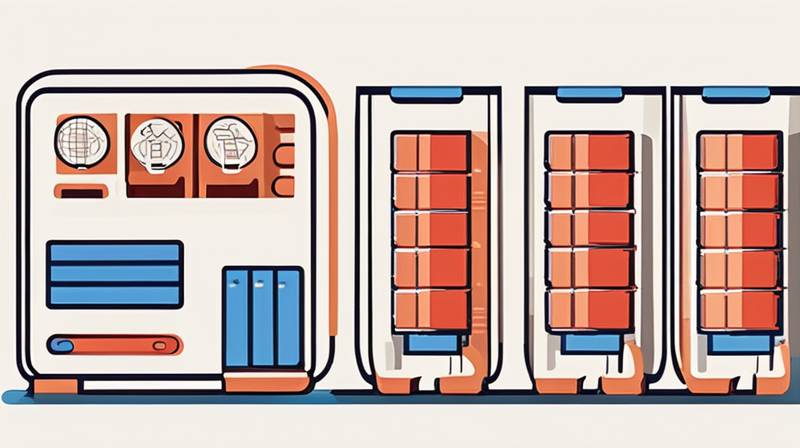
Shanghai’s Power Energy Storage Battery systems are transforming the energy landscape by enhancing sustainable power solutions, promoting technological innovation, and stimulating economic growth. 1. The city’s strategic initiatives are paving the way for groundbreaking advancements in battery technology. 2. Moreover, its investments in renewable sources are crucial for achieving energy security. 3. The collaboration between research institutions and the private sector is fostering pacey innovations. 4. Finally, these efforts contribute significantly to the global transition towards cleaner energy.
AMRIT OF POWER ENERGY STORAGE
Power energy storage systems (PESS) play a critical role in enhancing energy efficiency, integrating variable renewable energy sources, and ensuring reliability in electricity supply. Shanghai stands at the forefront of this dynamic landscape, implementing advanced technologies to optimize its electric grid. Energy storage systems include various methods to hold energy for efficient release on demand, encompassing traditional batteries, pumped hydro, and newer technologies such as flywheels. Shanghai’s commitment to revolutionizing its energy approach through innovative storage solutions not only aims to meet local demand but also positions the city as a leader in global energy transitions.
The demand for energy storage systems has surged in response to the increased reliance on renewable energy sources such as wind and solar power. This shift necessitates solutions that can manage fluctuations in energy generation to ensure stability and minimize waste. In Shanghai, rapid urbanization combined with ambitious carbon neutrality goals has intensified the search for effective energy storage strategies. The synergistic integration of energy storage with renewable sources enables smoother energy dispatch and enhances grid resilience, making it vital to address the challenges posed by traditional energy models.
TECHNOLOGICAL INNOVATIONS AND THEIR IMPACT
In the heart of Shanghai, technological advancements in energy storage systems are driving myriad improvements. Over the past several years, there have been remarkable developments in lithium-ion battery technology as well as emerging alternatives such as solid-state batteries, which present significant advantages in energy density, safety, and lifespan. Shanghai’s industrial ecosystem, characterized by collaboration between universities, research institutions, and companies, fosters a rich environment for innovative solutions that could redefine energy storage’s role in modern infrastructure.
Particularly noteworthy is the city’s investment in research and development (R&D) for next-generation storage solutions. Companies operating within Shanghai are not only focusing on improving existing technologies but also exploring cutting-edge materials such as graphene and lithium-sulfur. These innovations promise to enhance the efficiency and effectiveness of energy storage capabilities significantly. This collaborative approach positions Shanghai to leverage synergies between computational power, advanced materials science, and automotive engineering, thereby enhancing its global competitiveness in energy technology.
ECONOMIC GROWTH AND OPPORTUNITIES
The burgeoning energy storage sector in Shanghai generates an array of economic opportunities. As companies pivot towards renewable and sustainable energy solutions, new job roles are emerging in research, manufacturing, and installation, thereby contributing positively to the city’s economy. Furthermore, the establishment of specialized training programs ensures that the workforce is well-equipped to meet the evolving demands of the energy sector, thus enhancing employability and fostering career advancements.
Additionally, Shanghai’s power energy storage initiatives attract significant investment from both local and international stakeholders. Government support in the form of subsidies and incentives plays a crucial role in encouraging private sector participation. This partnership between public and private entities not only accelerates technology development but also bolsters local businesses. Efforts to implement smart grids and microgrids further amplify these economic prospects, showcasing how advancements in energy storage can stimulate broader economic growth.
ENVIRONMENTAL BENEFITS AND SUSTAINABILITY
The environmental ramifications of energy storage systems are profound. Shanghai’s ambitious targets for reducing greenhouse gas emissions hinge on the effective utilization of these technologies. By facilitating the integration of renewable energy sources, energy storage systems significantly diminish reliance on fossil fuels and curtail associated emissions. Furthermore, the option to store excess renewable energy rather than allowing it to go unused propels the transition towards a sustainable energy model.
In addition, the energy storage industry itself is increasingly focusing on sustainability. Organizations in Shanghai are exploring recycling and repurposing strategies for spent batteries to minimize their environmental footprint. This not only addresses waste management concerns but also maximizes resource utilization, which is especially crucial as demand for raw materials surges globally. The commitment to sustainability underscores the interconnectedness of energy storage technologies and environmental stewardship, reinforcing the narrative of responsible innovation.
FUTURE TRENDS AND CHALLENGES
Looking ahead, the role of energy storage in Shanghai’s energy landscape will continue to evolve, shaped by technological trends and external challenges. As battery technologies advance, the cost of energy storage systems is anticipated to decrease further, making them increasingly accessible for various applications. However, challenges remain, including the need for comprehensive policies to support large-scale deployments and ensure interoperability between technologies.
Integration with artificial intelligence and machine learning will likely play a pivotal role in optimizing energy storage. These technologies can facilitate better predictive analytics, enhance decision-making, and streamline operations, ultimately leading to greater efficiency in the energy market. The anticipated growth in electric vehicles (EVs) will also influence energy storage strategies, as vehicle-to-grid technologies could enable bi-directional energy flows.
However, the energy storage sector must also address concerns related to battery supply chains, resource availability, and environmental impacts from sourcing materials. Sustainable practices must symbiotically coexist with technological advancement to ensure responsible growth. Policymakers, industry leaders, and innovators must collaborate to navigate these complexities, ensuring a balance between economic expansion and ecological consciousness.
INQUIRY AND CLARIFICATION
WHAT ARE THE MAIN TECHNOLOGIES USED IN ENERGY STORAGE SYSTEMS?
Various technologies are employed within energy storage systems, including conventional batteries, pumped hydroelectric storage, compressed air energy storage, and flywheel systems. Batteries remain the most widely utilized, with lithium-ion varieties being predominant due to their high energy density and efficiency. Emerging technologies, such as solid-state and flow batteries, are gaining traction due to their potential for increased safety, longevity, and performance. The suitability of each technology varies based on application requirements, grid conditions, and available resources. Additionally, advancements in energy management systems enable seamless integration of these technologies, contributing to optimized operational performance.
HOW DOES ENERGY STORAGE CONTRIBUTE TO RENEWABLE ENERGY INTEGRATION?
Energy storage systems play a vital role in accommodating the variability of renewable energy sources like wind and solar power. These sources are inherently intermittent, producing energy that may not always align with demand peaks. Storage systems effectively capture excess energy during production surges—like sunny afternoons or windy days—then release it during demand peaks. This capability enhances grid stability and reliability, reduces curtailment of renewable projects, and allows for a greater share of renewables in the overall energy mix. Consequently, energy storage supports the achievement of climate goals while promoting a transition to cleaner energy.
WHAT ARE THE FUTURE PROSPECTS FOR ENERGY STORAGE IN SHANGHAI?
The future landscape for energy storage in Shanghai is poised for transformative shifts driven by technological innovation and favorable policy frameworks. Anticipated reductions in battery costs and advancements in energy storage technology will propel broader adoption. Furthermore, as Shanghai seeks to enhance energy resilience in the face of climate change, the integration of smart grids and microgrid solutions will assume greater prominence. The focus on sustainability and circular economy principles will guide project development, ensuring environmental impacts are considered throughout the lifecycle of energy storage systems. The collaborative efforts of local government, industries, and research entities will be pivotal in realizing these ambitious goals.
The discourse around Shanghai’s power energy storage battery systems emphasizes the profound impact that technological advancement, economic growth, and environmental sustainability can have on future energy management. Energy storage is not merely a technical enhancement but a pivotal element that interconnects various dimensions of urban development, economic prosperity, and environmental consideration. Ensuring alignment between innovations in energy storage and broader societal goals will be essential. This requires a concerted effort to implement enabling policies, foster collaborations, and maintain a firm commitment to sustainability. As the city navigates the complexities of energy evolution, its pioneering efforts will serve as a model for others seeking to revolutionize their energy frameworks. With a robust foundation built upon cross-sector partnerships and visionary policies, Shanghai is well-positioned to lead the way towards a sustainable energy future that capitalizes on the transformative potential of energy storage technologies.
Original article by NenPower, If reposted, please credit the source: https://nenpower.com/blog/how-about-shanghai-power-energy-storage-battery/

