

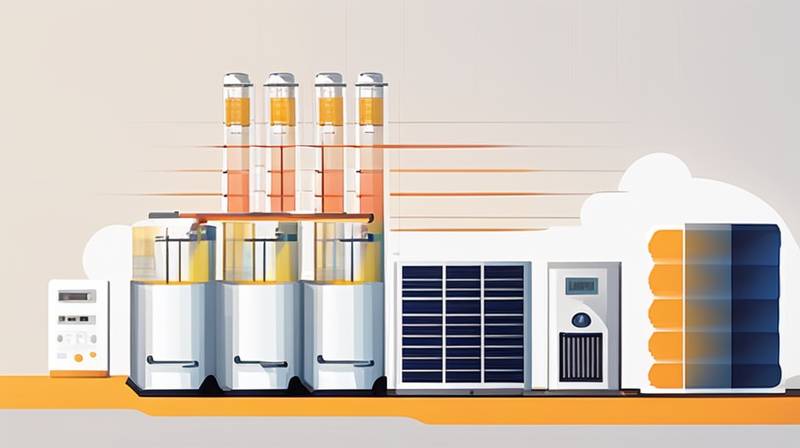
Opening a small energy storage plant can be a profitable venture, provided one considers several essential factors. 1. Feasibility studies are crucial to assess the economic viability of such an enterprise. These studies address technological requirements, initial investment, expected returns, and the competitive landscape. 2. Energy storage technology options, including batteries and pumped hydro storage, must be thoroughly evaluated. Different technologies offer varied efficiencies and lifecycle costs, influencing your operational strategy. 3. Regulatory considerations are significant; local environmental guidelines and energy policies will impact site selection and operational logistics. These regulations often dictate how installations can be developed and operated. 4. Market demand for renewable energy storage solutions is on the rise. A careful analysis of regional energy consumption patterns and the role of storage in balancing supply and demand is essential for success.
1. MARKET ANALYSIS
When contemplating the establishment of an energy storage facility, a comprehensive market analysis is essential to gauge the landscape of the energy sector. Understanding the current demand for energy storage solutions can illuminate potential opportunities for growth. A thorough analysis considers the trends in energy consumption, the prevalence of renewable energy integration into the grid, and the increasing need for reliable backup power alternatives.
Furthermore, geographic location significantly influences the effectiveness of an energy storage plant. Certain regions may experience more intermittent renewable energy supply, such as solar or wind, creating a clearer demand for storage solutions. By engaging in detailed research and observing regional energy trends, potential entrepreneurs can tailor their business strategies to address specific needs, thereby increasing the likelihood of achieving success in this burgeoning field.
2. TECHNOLOGY SELECTION
The choice of technology for an energy storage facility is critical in determining operational efficiency and long-term financial viability. Various energy storage technologies exist, including lithium-ion batteries, flow batteries, and compressed air energy storage. Each option presents distinct advantages and disadvantages, necessitating thorough evaluation.
Lithium-ion batteries have gained popularity due to their high energy density and decreasing costs. Moreover, their flexibility allows integration into various energy management systems. However, they also present challenges, such as limited lifespan and recycling concerns. On the other hand, flow batteries may offer longer longevity and are more environmentally friendly but often have lower energy densities, affecting the overall spatial efficiency of the storage plant.
It’s prudent to assess the specific application and scale of the energy storage operation before committing to a particular technology. Emphasizing a technology that aligns with market demands and enhances operational resilience will pave the way for sustained profitability.
3. REGULATORY ENVIRONMENT
Navigating the regulatory environment is a complex but necessary endeavor when establishing a small energy storage plant. Regulations can significantly impact site selection, permitting processes, operational logistics, and compliance requirements. Understanding local, state, and federal guidelines is essential for compliance and risk mitigation.
Potential operators must engage in due diligence to assess zoning laws, environmental regulations, and utility interconnection standards. This helps in avoiding potential legal pitfalls and streamlining the commencement of operational processes. Furthermore, remaining apprised of incentives or subsidies available for renewable energy projects can enhance the financial viability of the venture. Many jurisdictions offer financial assistance for energy storage projects, which could drastically alter the financial landscape for aspiring entrepreneurs.
Understanding the interactions between energy storage regulations and evolving energy policies will not only streamline the establishment process but also provide insights into future market conditions.
4. FINANCIAL CONSIDERATIONS
Establishing a small energy storage facility requires careful financial planning to ensure robust return on investments. The initial capital outlay for technology, infrastructure, and operational setup can be substantial. Therefore, conducting a thorough cost-benefit analysis to project both short-term and long-term financial consequences is paramount.
Entrepreneurs should account for not only the operational expenses but also potential revenue streams. These could arise from services such as voltage regulation, frequency response, and demand response capabilities to local utilities. Revenue generated from ancillary services can substantially enhance the financial outlook of energy storage projects.
Realizing these financial benefits often relies on securing contracts with utilities and energy consumers. Establishing strategic partnerships with key industry stakeholders can provide stability and predictability in cash flows. By diversifying revenue streams and actively managing operational costs, a small energy storage operation can become financially sustainable and resilient against market fluctuations.
5. STRATEGIC PLANNING
Formulating a strategic plan is a foundational aspect of successfully launching a small energy storage facility. This plan should encompass various elements, including operational processes, marketing strategies, and stakeholder engagement. A well-thought-out approach will allow the business to navigate market challenges effectively while capitalizing on emerging opportunities.
Firstly, it is critical to define the operational framework, incorporating energy grid management strategies and technologies to optimize battery usage and efficiency. This includes ensuring adequate maintenance protocols for the technology used. On the marketing front, developing strong branding and messaging around sustainability and reliability can attract potential clients and partnerships within the energy sector.
Moreover, engaging with local communities and stakeholders promotes transparency, fosters goodwill, and potentially opens new avenues for collaboration. By ensuring a solid and adaptable strategic plan, operators can position their energy storage plants for both short-term success and long-term growth.
FREQUENTLY ASKED QUESTIONS
WHAT IS ENERGY STORAGE, AND WHY IS IT IMPORTANT?
Energy storage involves capturing energy produced at one time for use at a later time, offering benefits such as grid stability, improved energy management, and greater integration of renewable resources. One major importance lies in its ability to balance supply and demand, particularly during peak periods when energy is most needed. By utilizing energy storage solutions, utility companies and businesses can minimize grid congestion, lower electricity costs, and reduce reliance on fossil fuels. It plays a pivotal role in supporting renewable energy infrastructure, making energy systems more flexible and resilient, and ensuring continuous energy availability even during outages or disruptions. The adoption of robust energy storage systems can contribute significantly to the transition toward sustainable energy paradigms.
HOW DOES ONE SELECT AN APPROPRIATE SITE FOR AN ENERGY STORAGE PLANT?
Choosing an ideal site for an energy storage facility involves several key factors. The location should provide accessibility to existing energy infrastructure, such as transmission lines with adequate capacity, and proximity to energy consumers or loads. Consideration of local zoning laws and environmental regulations is critical, ensuring compliance during the planning phases.
Furthermore, proximity to renewable energy sources, such as wind farms or solar installations, can enhance operational efficiency and reduce transmission losses. Analyzing the medium and long-term growth potential of the surrounding region is also crucial, particularly concerning the local government’s stance on renewable energy and infrastructure developments. Ultimately, thorough site assessment can result in strategic advantages for energy storage operations.
WHAT ARE THE MAIN CHALLENGES FACED BY SMALL ENERGY STORAGE PLANTS?
Small energy storage plants encounter various challenges that can affect their viability and success. Financial barriers often present significant hurdles, as initial capital outlays for technology and infrastructure can be substantial. Furthermore, competition among larger industry players may result in market share difficulties for smaller entrants.
Regulatory complexities also pose challenges, with a landscape that can be difficult to navigate for new businesses. Compliance with local, state, and federal environmental guidelines is crucial, as failing to meet these standards can lead to costly delays or legal issues. Additionally, fluctuations in energy prices can impact profitability, necessitating stringent operational management and innovative revenue strategies to help mitigate financial risks.
Establishing a small energy storage facility presents a myriad of opportunities and challenges, requiring careful consideration of technological, regulatory, and market dynamics. Entrepreneurs must engage in rigorous feasibility analyses while considering the advantages of specific technologies and the significance of site selection. Understanding the evolving energy landscape will position new ventures favorably for success. Financial planning, strategic marketing, and stakeholder engagement will play crucial roles in navigating initial hurdles and fostering sustainable growth. As the demand for energy storage solutions continues to rise, those who proactively address the operational and regulatory environment will find themselves at the forefront of this innovative sector, ultimately contributing to a more sustainable and resilient energy future.
Original article by NenPower, If reposted, please credit the source: https://nenpower.com/blog/how-about-opening-a-small-energy-storage-plant/

