

1. LIGHT ENERGY SOLAR PANELS HARNESS SUNLIGHT, PROVIDE RENEWABLE ENERGY, REDUCE CARBON FOOTPRINT, ENCOURAGE ENERGY INDEPENDENCE. Solar panels are an essential technology in the modern energy landscape, converting light energy from the sun into usable electricity. This process fundamentally operates through photovoltaic cells, which play a crucial role in transforming solar rays into energy that can power homes and businesses. The increased adoption of light energy solar panels signifies a shift towards sustainable energy solutions. Technological advancements have made solar panels more efficient, affordable, and accessible to a broader audience, leading to significant reductions in reliance on fossil fuels. These innovations underscore the potential of solar energy in combating climate change and fostering a more sustainable future for generations to come.
1. UNDERSTANDING SOLAR ENERGY TECHNOLOGY
The ingenuity behind light energy solar panels can be traced back to the fundamental principles of photovoltaic technology. Photovoltaic cells, made predominantly from silicon, have the remarkable ability to convert sunlight directly into electricity. The process begins when sunlight strikes these cells, knocking electrons loose from their atoms. This movement generates a flow of electricity, which can then be harnessed for various applications.
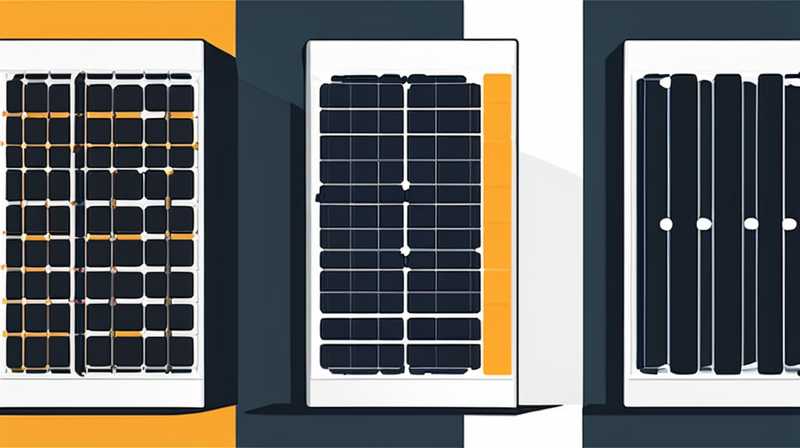
Moreover, light energy solar panels can be classified into three main categories: monocrystalline, polycrystalline, and thin-film. Each type offers distinct advantages and challenges. Monocrystalline panels boast the highest efficiency rates and save space, making them optimal for area-limited installations. Conversely, polycrystalline panels are typically more affordable but less efficient. Thin-film technology comprises lightweight and flexible materials, opening new avenues for innovative solar applications, albeit generally with lower efficiency compared to the crystalline counterparts.
2. ADVANTAGES OF SOLAR PANELS
Solar panels present several compelling advantages that extend beyond immediate financial returns. The foremost benefit is their capacity for renewable energy generation. By harnessing sunlight, these panels facilitate a reduction in dependency on fossil fuels, directly contributing to lower greenhouse gas emissions. This transition to greener energy sources not only mitigates climate change impacts but also augments energy security.
In addition to environmental benefits, solar panels can lead to considerable economic savings. Though the initial installation cost might be substantial, numerous incentive programs, tax credits, and decreasing hardware costs have made solar energy increasingly affordable. Long-term savings on electricity bills, combined with potential revenue from selling excess energy back to the grid, ensure that consumers experience fiscal advantages. Moreover, solar energy installations often increase property values, providing an excellent return on investment while promoting a sustainable living ethos.
3. CHALLENGES AND LIMITATIONS
Despite the numerous advantages, the journey of light energy solar panels is not devoid of challenges. One significant hurdle is the intermittency of solar power. Solar energy generation is inherently dependent on weather conditions and time of day. This intermittency can lead to variability in power supply, making it difficult for consumers and grid operators to rely solely on solar energy for continuous electricity. Consequently, energy storage solutions, such as lithium-ion batteries, become essential for buffering and managing energy supply.
Furthermore, the upfront financial investment can act as a deterrent for potential users. While costs have decreased over time, the initial outlay can still be prohibitive for some. Financing options, leasing agreements, or community solar projects may help overcome this barrier, but public awareness and educational efforts remain critical to broaden the adoption of solar technology among diverse populations. Together, these challenges present opportunities for innovation and development within the solar energy sector.
4. THE FUTURE OF SOLAR ENERGY
Looking ahead, the future of light energy solar panels appears promising. With mounting concerns over climate change and energy security, both individuals and governments are increasingly seeking sustainable energy solutions. Continuous advancements in solar technology, such as higher-efficiency panels, bifacial solar modules, and enhanced energy storage systems, are on the rise. Research indicates a trajectory towards more efficient materials that may surpass current efficiency standards, leading to broader acceptance and integration into mainstream energy infrastructures.
In addition, government policies and initiatives play a crucial role in shaping the solar landscape. Subsidies, tariffs, and net metering practices encourage installations and investment in solar technology. As more countries commit to ambitious sustainability goals, the urgency to adopt light energy solar panels accelerates. Thus, as technology progresses and acceptance grows, solar energy may evolve into a cornerstone of the global energy framework, contributing significantly to environmental preservation and economic stability.
FREQUENTLY ASKED QUESTIONS
1. HOW DO SOLAR PANELS WORK?
The operational mechanism of light energy solar panels hinges on the photovoltaic effect. When sunlight hits the photovoltaic cells within the panel, it energizes electrons, creating a flow of direct current (DC) electricity. This electricity can then be converted to alternating current (AC) by an inverter, making it suitable for residential or commercial use. The cells are composed primarily of semiconductor materials, such as silicon, which enable this energy conversion.
Once the AC electricity is generated, it is fed into the electrical system of a building, powering appliances and lighting. Any surplus energy produced can either be stored in batteries for later use, sent back to the grid, or utilized for specific purposes, depending on the owner’s setup. Therefore, an understanding of this process is essential for grasping the workings and benefits of solar panels.
2. WHAT ARE THE MAINTENANCE REQUIREMENTS FOR SOLAR PANELS?
The maintenance of light energy solar panels is relatively minimal compared to many traditional energy systems. Routine inspections can help identify potential issues such as debris accumulation, shading from overhanging branches, or damage from extreme weather events. Cleaning the panels periodically can ensure they operate at optimal efficiency, as dirt, dust, or bird droppings can hinder sunlight absorption.
In most cases, professional servicing should be scheduled every few years to ensure all components are functioning correctly. During these visits, the inverter’s performance, wiring integrity, and system monitoring technology can be evaluated. Investing in regular maintenance not only extends the lifespan of solar panels but also enhances their efficiency and reliability, ultimately maximizing the financial benefits they provide.
3. CAN SOLAR PANELS WORK IN CLOUDY WEATHER?
While solar panels are most effective under direct sunlight, they can still generate electricity during cloudy conditions. The photovoltaic cells within the panels capture diffuse sunlight, albeit at a reduced efficiency compared to sunny days. Studies indicate that solar energy production remains viable even in overcast environments, with capacity often around 10-25% of their maximum output.
However, days of persistent cloud cover may decrease overall energy generation substantially. Therefore, incorporating energy storage systems becomes particularly beneficial for managing energy supply during such periods. By storing excess energy generated during sunny days, homeowners and businesses can ensure a consistent energy flow even when sunlight is lacking.
FINAL REFLECTIONS ON SOLAR ENERGY TECHNOLOGY
The rise of light energy solar panels signifies a monumental shift in energy paradigms globally. Embracing solar energy not only addresses pressing environmental issues but also presents substantial economic opportunities. As society progresses towards an increasingly interconnected and sustainable future, adopting solar technology lays the groundwork for long-term energy independence and resilience. The ongoing advancements in solar technology promise higher efficiency, reduced costs, and augmented applications, making solar energy more accessible than ever. Each innovation reinforces the potential of solar energy to transform energy systems, eventually catalyzing a cleaner, more sustainable world.
In addition, as public awareness grows regarding climate change and the benefits of renewable energy sources, the demand for light energy solar panels is poised to escalate. Continued investment in research and development, combined with supportive policies, will undoubtedly enhance the overall efficiency and affordability of solar technology. Through collaborative efforts from government entities, private sectors, and communities, the transition to sustainable energy sources becomes not just a feasible aspiration but a reality within reach.
Ultimately, light energy solar panels serve as vital tools in the quest for a greener future, ushering in an era of sustainable power production. By continuing to innovate, educate, and advocate for solar energy solutions, society can pave the way for a resilient energy landscape that benefits both people and the planet for years to come.
Original article by NenPower, If reposted, please credit the source: https://nenpower.com/blog/how-about-light-energy-solar-panels/

