

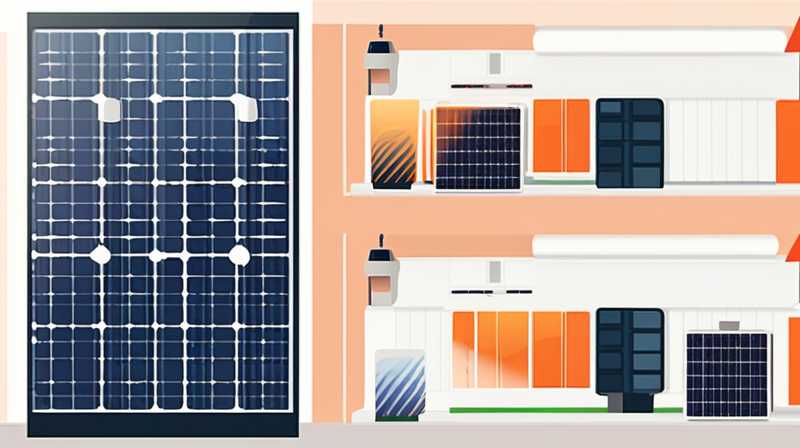
Large rooftop solar power generation offers significant opportunities for optimizing energy consumption and reducing overall costs for various establishments. 1. It harnesses the power of sunlight directly, allowing businesses and homeowners to generate their own electricity. 2. This technology significantly reduces dependence on non-renewable energy sources, providing environmental benefits. 3. It can markedly decrease utility bills, offering a long-term financial advantage. 4. The installation of rooftop solar systems can increase property values, thereby presenting an attractive investment opportunity for landowners.
One of the major advantages of large rooftop solar power systems is the capacity for self-sufficiency in energy needs. This self-reliance fosters a sustainable approach to energy while diminishing the financial burden associated with traditional energy consumption. Reducing reliance on fossil fuels can also have a profound effect on local economies, encouraging the use of clean energy technologies.
1. ADVANTAGES OF LARGE ROOFTOP SOLAR POWER SYSTEMS
From an operational perspective, large rooftop solar systems present multiple benefits. First, the direct use of solar energy decreases reliance on grid-sourced electricity. As energy prices continue to soar, the switch to solar becomes increasingly attractive. Utilizing this renewable source results not only in lower energy bills but also in predictable overhead costs associated with energy use.
Second, the installation of solar systems is an excellent strategy for mitigating greenhouse gas emissions. Conventional power generation typically relies on fossil fuels, which contribute significantly to air pollution and climate change. Rooftop solar reduces these emissions, fostering cleaner air and a more sustainable environment. Furthermore, many governments offer incentives for the installation of solar technology, which can further reduce upfront costs and enhance return on investments.
Improvements in technology and manufacturing have led to increased efficiency in solar panels, achieving greater energy output from a smaller footprint. Therefore, harnessing the sun’s energy on rooftops, particularly in urban areas with limited space, presents a pragmatic solution to energy demands. Stakeholders must assess square footage, orientation, and shading to optimize system performance.
2. ECONOMIC IMPACT OF SOLAR ENERGY
The financial implications of adopting large rooftop solar solutions are far-reaching. Primarily, businesses can see substantial savings on electricity costs, leading to increased profit margins. As energy costs rise, organizations investing in solar technologies can lock in their energy expenses for extended periods, insulating themselves from market volatility.
Additionally, there are funding options and tax incentives available for prospective solar users. Various financial models, including power purchase agreements (PPAs) and solar leases, allow businesses to avoid upfront costs while still enjoying the benefits of solar energy. This shift toward sustainable energy not only enhances individual company profits but has broader implications for the national economy, stimulating job creation in the renewable energy sector.
The installation of large rooftop solar systems can also elevate property values. Properties equipped with solar technology often sell at a premium, making them an attractive investment. Real estate professionals have observed that homes and commercial buildings fitted with renewable energy sources appeal to environmentally-conscious buyers, fostering greater competition in the market.
3. TECHNICAL ASPECTS OF SOLAR INSTALLATION
The technical considerations for large rooftop solar power systems involve careful planning and execution. Understanding the interplay of various components is essential for maximizing energy production. Key components include solar panels, inverters, mounting systems, and batteries for energy storage. Each component needs to be selected and integrated effectively to ensure optimal performance.
Site assessments are crucial for successful installations. Factors such as roof orientation, slope, and shading will influence the design and layout of the system. Skilled solar engineers will conduct thorough evaluations to determine the most effective configuration, maximizing the energy production potential while adhering to safety regulations and standards.
Furthermore, technological advancements continue to enhance the performance and longevity of solar systems. Emerging technologies, such as bifacial panels and sun-tracking systems, have the potential to increase energy harvest beyond traditional solar installations. The industry is evolving, necessitating that stakeholders stay informed on the latest developments to maximize their investment.
4. ENVIRONMENTAL BENEFITS OF ROOFTOP SOLAR
The environmental ramifications of adopting solar energy solutions are profound. Beyond reducing greenhouse gas emissions, large rooftop solar systems contribute to biodiversity by promoting sustainable land use. Rather than sprawling solar farms that consume vast tracts of land, integrating solar on rooftops prevents the displacement of ecosystems.
Moreover, solar energy can help reduce water consumption, a crucial factor in regions susceptible to drought. Traditional power generation often requires substantial water usage for cooling or refining, stressing local water supplies. By shifting to solar energy, the overall water footprint is significantly reduced, preserving these vital resources.
As cities and communities embrace solar technology, urban heat island effects can also be mitigated. Rooftop solar installations contribute to cooler urban landscapes as they absorb and reflect less heat compared to traditional roofing materials. Consequently, cities can benefit from improved air quality and reduced temperatures, which can alleviate health risks associated with high heat.
5. CHALLENGES AND CONSIDERATIONS
While the advantages of large rooftop solar systems are considerable, there are challenges that must be acknowledged. Regulatory hurdles, such as local zoning laws and permitting processes, can discourage potential solar adopters. Understanding the legal landscape and seeking support from local authorities can help navigate these complexities.
Additionally, there may be financial barriers related to initial investment costs. Although financing options exist, some businesses might remain hesitant due to perceived risks. Building a comprehensive financial analysis that factors in long-term savings, incentives, and environmental benefits can help to alleviate concerns.
The technological aspect also brings forth challenges such as maintenance and system durability. Regular inspections and upkeep are necessary to ensure systems operate efficiently. Users must be prepared to invest time and resources into maintenance to sustain optimal performance, addressing any potential degradation over time.
FREQUENTLY ASKED QUESTIONS
HOW DOES ROOFTOP SOLAR POWER GENERATION WORK?
Rooftop solar power generation operates by converting sunlight into electricity through photovoltaic cells. When sunlight strikes the panels, photons are absorbed, which generates direct current (DC) electricity. This DC energy is then transformed into alternating current (AC) via an inverter, making it suitable for home and commercial electricity needs.
The generated electricity either powers the property directly or is fed back into the grid, enabling users to earn credits through net metering. This interconnected setup allows consumers to optimize their energy efficiency while capitalizing on renewable energy advantages. In addition, surplus energy can be stored in batteries, providing a buffer for cloudy days or high demand periods.
Climate conditions play a pivotal role in generation capacity, as variations in sunlight exposure will affect overall output throughout the day and season. However, advancements such as energy storage solutions and intelligent energy management systems enhance reliability, making rooftop solar a valid alternative for many households and businesses alike.
WHAT ARE THE COSTS ASSOCIATED WITH LARGE ROOFTOP SOLAR INSTALLATIONS?
The expenses related to substantial rooftop solar systems can vary based on numerous factors, including size, equipment type, location, and installation complexities. Initial costs typically encompass equipment procurement, installation, and any potential site modifications needed to support the system. As technology advances and demand increases, prices have gradually decreased, making solar more accessible than ever before.
Incentives, such as federal tax credits and state-level rebates, can further reduce the overall cost burden. These financial supports may cover a percentage of installation expenses, making investments more achievable for businesses and homeowners alike. Payback periods will fluctuate, but many solar systems can recoup their costs within a few years due to energy savings.
Furthermore, ongoing maintenance and operational costs should be considered when budgeting. Regular inspections and potential repairs contribute to the overall financial planning. However, the long-term savings on energy bills, combined with the increasing property values, often justify the initial investment, creating an appealing economic case for solar technology adoption.
HOW DOES ROOFTOP SOLAR IMPACT PROPERTY VALUES?
The installation of rooftop solar systems can significantly influence property values positively. Real estate analyses have shown that homes equipped with solar technology often sell for a premium compared to comparable properties without solar. This increase in value stems from the perceived benefits associated with solar energy, including lower energy bills and a diminished carbon footprint.
Potential homebuyers often view solar installations as attractive features, reflecting a growing demand for eco-friendly and energy-efficient properties. In many cases, this interest leads to quicker sales, as environmentally conscious individuals prioritize sustainability.
Additionally, larger commercial properties benefiting from solar energy often stand out in the marketplace for the same reasons. Investing in solar not only enhances the immediate value of the asset but also positions it favorably in a market increasingly driven by sustainability concerns. As energy efficiency becomes paramount, property owners will likely find solar systems instrumental in ensuring competitiveness and desirability.
Engaging in large rooftop solar energy pathway yields substantial advantages, such as increasing energy independence, boosting economic resilience, and significantly benefiting the environment. By embracing this innovative technology, businesses and households are positioning themselves at the forefront of the renewable energy movement, contributing to a sustainable future. As benefits materialize, the positive ramifications on local economies and environmental health will become increasingly apparent, solidifying the role of solar energy as a cornerstone in the modern energy landscape.
Original article by NenPower, If reposted, please credit the source: https://nenpower.com/blog/how-about-large-rooftop-solar-power-generation/

