

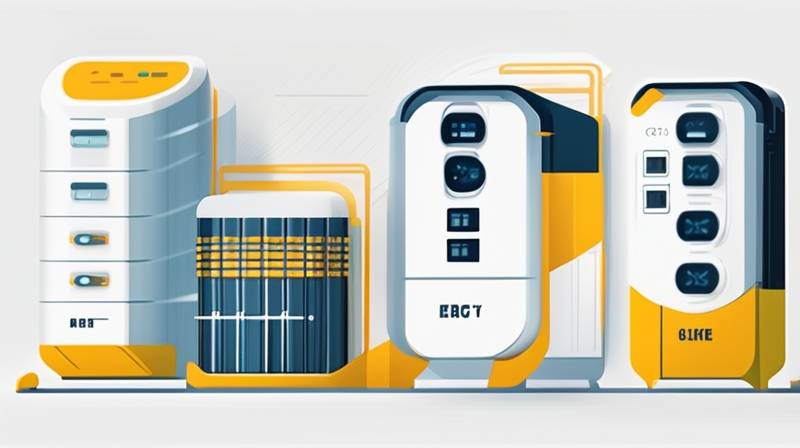
1. Individual energy storage projects offer numerous advantages for renewable energy utilization, efficiency optimization, and grid stabilization. 1. These initiatives provide significant cost savings over time, as they enable homeowners and businesses to store excess energy generated from solar or wind sources for later use. 2. By reducing dependence on the grid during peak hours, individuals can achieve greater energy independence and potentially lower their electricity bills. 3. Additionally, these projects can contribute to a more reliable energy supply, helping to mitigate issues associated with grid overload and interruptions. A more detailed examination reveals that 4. the technology behind individual energy storage is rapidly advancing, resulting in increased capacity, efficiency, and affordability, making these systems accessible to a broader audience.
1. INTRODUCTION TO ENERGY STORAGE
Energy storage technologies serve a vital function in the transition toward a more sustainable energy system. Understanding these systems begins with a fundamental overview of how they work and why they are becoming increasingly popular among individual users. Energy storage systems (ESS) allow users to store energy generated from renewable sources, like solar panels or wind turbines, for later use. This capability is essential in maximizing the utility of renewable energy investments, particularly given the intermittent nature of these resources.
In recent years, the surge in renewable energy projects has propelled the need for efficient energy storage solutions. Individual energy storage initiatives are gaining traction among homeowners and businesses due to their growing cost-effectiveness and advancements in battery technology. The decentralization of energy production creates opportunities for users to harness renewable energy without relying solely on traditional power grids. Thus, the movement towards individual energy storage projects represents a shift in the approach towards personal energy management.
2. ADVANTAGES OF INDIVIDUAL ENERGY STORAGE PROJECTS
2.1 ECONOMIC BENEFITS
The economic advantages of individual energy storage can be quite compelling. By enabling users to maximize their on-site energy generation, these systems often lead to lower energy bills. This cost effectiveness becomes even more apparent when considering peak pricing structures implemented by utility companies. For example, individuals can store energy during low-demand periods and consume it when rates are highest, effectively mitigating expenses associated with their energy usage.
Moreover, the installation of energy storage systems often qualifies for various incentives and rebates provided by local, state, or federal governments. These programs are designed to promote energy efficiency and the adoption of renewable technologies. As a result, the initial investment in storage systems can be significantly offset, making the transition much easier financially for consumers. Consequently, while facing rising energy prices, individuals have newfound opportunities to reclaim control over their consumption costs.
2.2 ENERGY INDEPENDENCE
Autonomy in energy consumption is a principal motivator for many who choose to invest in individual storage solutions. Energy independence refers to the ability to generate and utilize energy without reliance on external utility providers. This is particularly significant amid increasing concerns about fluctuating energy prices and the vulnerability of centralized grids. With energy storage systems, households can store surplus power produced on sunny days or windy periods, ensuring they have the necessary resources during times of scarcity.
Furthermore, energy independence reinforces resilience against outages and disruptions. In regions prone to severe weather, natural disasters, or technical failures, having an individual energy storage system provides reassurance by creating a buffer between consumers and these external shocks. Thus, this self-sufficiency not only enhances personal security but also contributes to broader grid stability by decreasing peak demand.
3. TECHNOLOGICAL ADVANCEMENTS IN ENERGY STORAGE
3.1 EVOLUTION OF BATTERY TECHNOLOGY
Technological progress in battery systems has been a major driver for individual energy storage projects. Lithium-ion batteries dominate the market due to their high energy density and improving efficiency. As technology evolves, newer materials and designs are increasing the performance and longevity of these storage solutions while decreasing costs. This translates to greater accessibility for everyday consumers.
Research institutions and corporations are actively exploring alternatives to lithium-ion technology, such as solid-state batteries and flow batteries. Solid-state batteries, in particular, promise increased safety and energy density, which could further enhance the appeal of individual energy storage initiatives. These advancements represent not only an ongoing evolution in household energy management but also a crucial pivot towards enhanced sustainability within the energy sector.
3.2 SOFTWARE INTEGRATION AND SMART TECHNOLOGIES
In addition to hardware development, software plays a pivotal role in optimizing energy storage systems. Smart energy management systems utilize algorithms to analyze energy consumption patterns and dynamically adjust charging and discharging strategies. By leveraging real-time data, these intelligent systems can maximize the financial benefits derived from individual energy storage investments.
Further integrating these systems with home automation technologies promotes comprehensive energy management. For instance, home systems can prioritize energy draw from stored sources during peak demand times. Not only does this improve efficiency, but it also aligns consumer behavior with broader sustainability goals. Thus, ongoing technological advancements are propelling individual energy storage from a mere concept to a sophisticated component of modern energy management.
4. ENVIRONMENTAL IMPACT OF INDIVIDUAL ENERGY STORAGE
4.1 REDUCTION OF CARBON FOOTPRINT
The environmental ramifications of adopting individual energy storage projects are profound. By optimizing renewable energy use, households can significantly reduce their carbon footprint. Energy storage systems encourage the utilization of green energy, thus diminishing reliance on fossil fuel sources which are prevalent in traditional grid systems. The accomplishment of maximizing solar or wind energy for household purposes leads to noticeable reductions in greenhouse gas emissions overall.
Moreover, the advancements in energy storage contribute to Phasing out coal and gas plants, which are major contributors to climate change. As more households adopt storage solutions, the cumulative impact at a community level becomes increasingly significant. This grassroots movement towards cleaner energy solutions fosters a more sustainable way of life, encouraging individuals to take actionable steps toward environmental responsibility.
4.2 MITIGATION OF GRID STRESS
Individual energy storage projects offer a remedy to the stresses experienced by centralized energy grids. By allowing households to consume their generated power, these systems effectively decrease overall demand, particularly during peak hours. The reduction in demand can alleviate overload conditions, which often lead to blackouts and other grid-related challenges.
Furthermore, the installation of multiple independent energy storage systems can enhance the resilience of the electrical infrastructure. In times of crisis, such as hurricanes or other disasters, these localized energy solutions can provide essential power, lessening the vulnerability of the larger grid. Ultimately, fostering a decentralization of energy supply promotes a more reliable and secure energy future.
5. COST CONSIDERATIONS AND FINANCING OPTIONS
5.1 INITIAL INVESTMENT AND RETURN ON INVESTMENT
When contemplating the initiation of individual energy storage projects, an essential aspect is the upfront financial commitment. Costs associated with purchasing and installing energy storage systems can vary widely based on technology choices and system sizes. While the initial lookout may appear steep, various factors contribute to the overall attractiveness of these investments.
The return on investment (ROI) could prove favorable over time, primarily through energy bill savings and potential incentives. While the payback period may fluctuate, long-term financial benefits often outweigh initial costs. Furthermore, as market conditions change and technology continues to evolve, predicting ROI becomes more strategic, enhancing the attractiveness of entering this market sooner rather than later.
5.2 FINANCING OPTIONS AND INCENTIVES
A myriad of financing options can assist individuals in navigating the initial costs of energy storage systems. Home equity loans, personal loans, and leasing options are commonly utilized pathways toward funding these projects. Certain financial institutions and green loan programs have tailored products specifically for energy efficiency projects, enhancing the ability for households to take the plunge.
In addition to financing options, prospective investors should investigate local, state, and federal incentives. Grants, rebates, and tax credits can significantly reduce the financial burden, making energy storage systems a more feasible choice. With ongoing policy support and technological advances, individual energy storage projects are positioned to thrive, underscoring their potential impact on future energy consumption.
FREQUENTLY ASKED QUESTIONS
WHAT IS INDIVIDUAL ENERGY STORAGE?
Individual energy storage refers to systems employed by homeowners or businesses to capture and store electricity generated from renewable energy sources. These systems allow users to harness energy, which can be used during periods when generation is low or demand is high. By doing so, users can decrease reliance on the electrical grid, save on energy bills, and foster independence from fluctuating energy prices. The primary technologies associated with individual energy storage include various battery types, such as lithium-ion and emerging alternatives like flow batteries. As they grow in popularity, energy storage systems are becoming increasingly more affordable and efficient, making them a significant component of residential and commercial energy management strategies.
HOW DO INDIVIDUAL ENERGY STORAGE SYSTEMS WORK?
Individual energy storage systems work by capturing surplus energy generated from renewable sources, such as solar panels or wind turbines, and storing it in battery systems for later use. During periods of low energy generation, users can draw upon stored energy instead of relying on grid electricity. The technology typically involves a charging mechanism that directs excess electricity into the storage device and a discharging mechanism allowing retrieval when needed. Smart energy management software can optimize storage based on patterns of energy consumption and prevailing energy costs. Furthermore, these systems support stability in electrical grids. By mitigating peak demand loads with localized energy generation and consumption, individual energy storage solutions provide significant advantages for both users and systems overall.
IS INVESTING IN INDIVIDUAL ENERGY STORAGE WORTH IT?
Investing in individual energy storage can indeed be worthwhile for many consumers, especially in light of rising energy costs and a growing emphasis on sustainability. The financial advantages often arise through reduced energy bills, increased energy independence, and potential incentives or rebates for installing such systems. When calculating potential savings and long-term benefits, many homeowners and businesses find the initial investment offset by substantial returns. Additionally, advancements in technology continue to drive down costs while increasing efficiency. Beyond financial considerations, the environmental impact and contribution to grid resilience further enhance the value proposition. As energy landscapes evolve, individual energy storage systems become more integral to the energy ecosystem.
The examination of individual energy storage projects reveals an intricate interplay of economic, technological, and environmental facets that significantly shape modern energy consumption. **Individual energy storage allows users to harness and store renewable energy effectively, thereby achieving independence from traditional utility sources and mitigating the adverse effects of fluctuations in energy prices. Moreover, the advancements in battery technology and smart energy management systems bode well for future growth and efficiency in this sector.
Furthermore, the environmental implications associated with adopting energy storage solutions cannot be overlooked; by minimizing reliance on fossil fuels, households contribute to substantial reductions in greenhouse gas emissions and facilitate a more sustainable energy system. Thus, individual energy storage not only empowers users but also offers tangible benefits toward a greener planet.
In light of the cost considerations and financing options available, it becomes increasingly evident that entering the realm of individual energy storage systems can yield financial returns over time. Coupled with potential government incentives and the advancements in battery technology, the economic landscape surrounding these systems continues to evolve favorably.
Indeed, the rise of individual energy storage projects encapsulates a vibrant shift toward a decentralized and resilient energy future. As technology continues to mature and public awareness increases, the societal embrace of this innovative approach stands poised to reshape energy consumption habits, augment utility practices, and pave the way for a sustainable future. Overall, individual energy storage initiatives represent a meaningful leap in energy management, reinforcing the importance of personal choice in addressing broader energy issues. This journey toward energy independence, sustainability, and resilience exemplifies the transformative potential inherent in individual energy storage systems.
Original article by NenPower, If reposted, please credit the source: https://nenpower.com/blog/how-about-individual-energy-storage-projects/

