

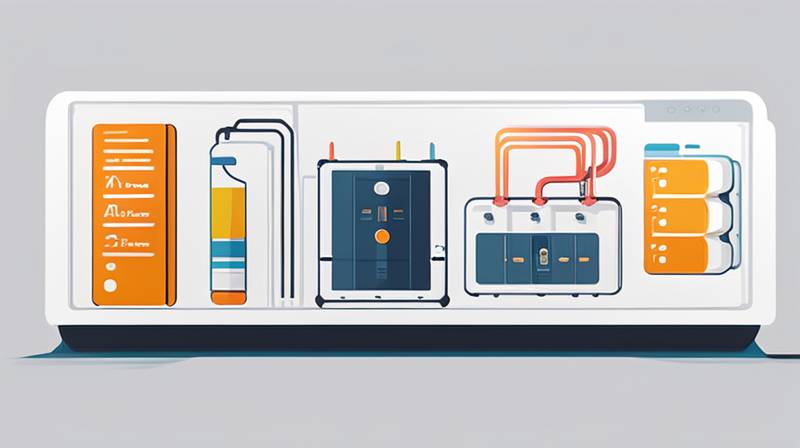
1. ENERGY STORAGE HYPER-CONVERGENCE SYSTEM EXPLAINED:
Energy storage hyper-convergence systems represent a significant advancement in energy management technologies and infrastructure. 1. These systems integrate computing, storage, and networking capabilities, facilitating seamless interactions among various energy components, such as solar, wind, and battery storage. 2. They enhance flexibility and scalability, allowing stakeholders to respond dynamically to fluctuating energy demands and supply conditions. 3. Cost efficiency emerges from optimizing resources and minimizing losses during energy transfer and utilization. 4. Improved resilience and reliability are cornerstones of these systems, ensuring a stable energy supply even during outages or system failures. 5. The prospect for sustainability is pivotal, supporting the transition toward renewable energy sources and reducing carbon footprints soundly. By amalgamating advanced technologies with energy systems, these hyper-converged models stand to revolutionize energy management and consumption patterns.
2. UNDERSTANDING ENERGY STORAGE HYPER-CONVERGENCE SYSTEMS
2.1 DEFINITION AND ORIGIN
Energy storage hyper-convergence systems emerged from the need for a more efficient, integrated approach to energy management, especially as reliance on renewable sources proliferated. To define this concept, one must recognize that hyper-convergence refers to the integration of various computing, storage, and networking resources into a unified infrastructure. This integration facilitates effective management of energy inputs and outputs, enabling better usage of renewable resources and enhancing the overall grid’s efficiency.
Historically, this technological convergence was prompted by the inefficiencies seen in traditional energy management paradigms. The increasing penetration of distributed energy resources (DERs), such as photovoltaic systems and energy storage units, drove innovation in how these components can be aggregated to perform optimally. The concept of hyper-convergence was initially popularized within information technology but has since been adapted and tailored for energy applications. Thus, the result is a robust system that optimizes energy usage and reduces the environmental impact associated with energy production and consumption.
2.2 COMPONENTS OF THE SYSTEM
Diving deeper, it is essential to delineate the key components that constitute an energy storage hyper-convergence system. At its core, this system integrates battery storage solutions, inverters, energy management systems (EMS), and communication protocols. Each component plays a critical role in ensuring operational effectiveness and seamless functionality.
Battery storage acts as the backbone, providing the necessary resources to store energy generated during peak production periods. These batteries can include various chemistries, such as lithium-ion, flow batteries, or even emerging technologies tailored for ultra-fast charging capabilities. Inverters convert direct current (DC) from renewable sources into alternating current (AC) for broader compatibility with existing grid systems.
Furthermore, an advanced energy management system orchestrates the interplay among various components, ensuring that energy flows efficiently based on demand forecasts and market signals. The integration of smart communication protocols allows real-time data exchange between storage and generation units, enhancing predictive capabilities and enabling automated responses to energy fluctuations. Such a multifaceted approach ensures that each component contributes optimally while reinforcing the entire system’s robustness.
3. ADVANTAGES OF ENERGY STORAGE HYPER-CONVERGENCE SYSTEMS
3.1 FLEXIBILITY AND SCALABILITY
One of the most significant benefits of deploying energy storage hyper-convergence systems lies in their inherent flexibility and scalability. Organizations often face dynamic energy demands that change within short timeframes; hence, having a system that can adapt accordingly is vital.
Hyper-converged systems allow users to start with a smaller setup and incrementally add components as their energy needs evolve. This characteristic not only assists smaller organizations—who may not have the capital for extensive systems upfront—but also ensures larger enterprises can tailor the system to their current operational scale. The modular nature of these systems is instrumental in responding efficiently to varying energy consumption patterns and operational changes.
Moreover, flexibility promotes innovation. Companies can easily experiment with integrating new technologies or renewable sources into established systems without overhauling the existing infrastructure. This approach provides organizations with a competitive edge, enabling them to respond quickly to regulatory changes and market opportunities.
3.2 COST-EFFICIENCY AND RETURN ON INVESTMENT
Cost efficiency is another compelling argument favoring energy storage hyper-convergence systems. Traditional energy solutions often entail significant capital expenditure. In contrast, hyper-converged systems optimize resource utilization, thereby reducing operational costs.
By minimizing energy losses, improving demand response, and enhancing predictive maintenance capabilities, organizations can significantly lower their energy bills. These savings compound over time, leading to a favorable return on investment (ROI) that can often justify initial expenditures. Moreover, energy storage systems can capitalize on fluctuating energy prices, enabling organizations to purchase electricity when prices are lower and redirecting that energy when prices rise, generating additional revenue streams.
Therefore, the financial implications extend beyond mere cost savings. As the global economy increasingly shifts towards sustainable practices, investments in advanced energy systems may also entail incentives or credits, further enhancing their financial viability and attractiveness as long-term solutions.
4. CHALLENGES AND CONSTRAINTS
4.1 TECHNOLOGICAL BARRIERS
While the advantages of energy storage hyper-convergence systems are compelling, certain challenges and constraints still must be addressed. Technologically, the integration of various systems often poses compatibility issues among different components or brands. Ensuring that all pieces communicate effectively can be a significant hurdle, particularly as new technologies emerge rapidly.
Additionally, there can be complexities regarding data security and privacy. As systems become increasingly interconnected, the potential risk of cyber-attacks rises, necessitating robust security measures and protocols. Stakeholders must invest in not just the infrastructure but also comprehensive cybersecurity solutions to protect sensitive operational data. The technological landscape shifts continuously, demanding ongoing adaptability from organizations engaged in energy management.
4.2 REGULATORY ENVIRONMENT
Navigating the regulatory environment can present unique challenges for energy storage hyper-convergence systems. Different localities may have varying rules governing the operation and integration of energy systems, influencing both implementation and functionality. This resulting complexity necessitates thorough research and strategy development prior to deploying a hyper-convergence solution.
Furthermore, regulatory frameworks often lag behind technological innovations, creating ambiguities around compliance and best practices. Organizations may face lengthy approval processes that can delay deployment and execution. In some regions, the lack of incentives for energy storage systems may also dampen enthusiasm among potential adopters. Therefore, understanding and navigating the regulatory landscape is paramount for organizations aiming to leverage the advantages of these advanced energy solutions.
5. FUTURE PROSPECTS OF ENERGY STORAGE HYPER-CONVERGENCE SYSTEMS
5.1 POTENTIAL FOR RENEWABLE ENERGY INTEGRATION
The future of energy storage hyper-convergence systems appears bright, especially in the context of renewable energy integration. As global efforts to combat climate change intensify, the demand for efficient methods to harness, store, and distribute clean energy will only grow. These systems provide an ideal platform for integrating an array of renewable sources like solar, wind, and hydropower, maximizing their collective output.
As new technologies emerge, such as advanced battery chemistries and hydrogen storage solutions, the potential for hyper-converged systems to further enhance renewable energy adoption will increase. By effectively managing the intermittency of renewable sources, these systems can significantly reduce dependency on fossil fuels and contribute toward national and global sustainability goals.
Moreover, ongoing improvements in technology will likely lower costs, further bolstering the attractiveness of energy storage solutions for various stakeholders. The potential for decentralized energy systems grows, enabling communities and businesses to generate, store, and utilize energy locally, enhancing energy resilience and independence.
5.2 ENHANCED ELECTRIC GRID STABILITY
An equally significant prospect for energy storage hyper-convergence systems includes improving electric grid stability. The continuous push for electrification and the integration of distributed energy resources increase the complexities of grid management. Here, hyper-converged systems deliver integrated solutions capable of enhancing grid resilience by stabilizing energy supply amid irregular demand fluctuations.
By incorporating real-time monitoring and predictive analytics, these systems can effectively respond to grid disruptions, mitigating blackouts and ensuring steady energy flows. As conventional grid infrastructures face challenges from decentralization and increased demand, the adoption of hyper-converged systems could prevent potential failures and guarantee energy continuity.
Furthermore, the rise of electric vehicles (EVs) presents additional opportunities. Coupling EV charging with hyper-converged systems can facilitate optimal resource utilization, balancing between energy storage and consumption to compensate for increased load. Such integrations will ensure not just a transition to electrified transportation but also a more effective and reliable energy infrastructure.
6. FREQUENTLY ASKED QUESTIONS
WHAT ARE THE MAIN BENEFITS OF ENERGY STORAGE HYPER-CONVERGENCE SYSTEMS?
The primary advantages of energy storage hyper-convergence systems include flexibility, cost-efficiency, enhanced reliability, and support for renewable energy integration. These systems can adapt to changing energy demands and scale accordingly, making them suitable for a wide range of applications. Organizational agility and streamlined operations lead to reduced operational costs and optimized resource utilization.
Furthermore, the centralized control and diagnostics enable real-time monitoring, improving energy management practices significantly. Organizations employing these systems can often enjoy additional revenue streams from efficient energy trading strategies, especially in markets with dynamic pricing structures. Overall, they contribute towards sustainability, making investments align well with long-term environmental goals.
HOW DO ENERGY STORAGE HYPER-CONVERGENCE SYSTEMS IMPACT THE GRID?
Energy storage hyper-convergence systems play a critical role in enhancing grid stability and reliability. By effectively managing energy inputs from various sources—such as solar, wind, and storage technologies—they facilitate a more balanced energy supply that aids grid responsiveness. These systems can respond dynamically to fluctuations in demand and generation, mitigating risks of blackouts or supply shortages.
Additionally, they enable greater adoption of distributed energy resources (DERs) by assisting in smoothing the variability associated with intermittent resources. The inclusion of smart technology allows for real-time data analysis and predictive maintenance, ensuring continuous operational integrity. In essence, hyper-converged systems become vital allies in modernizing electric grids, promoting resilience in the face of emerging challenges.
WHAT ARE THE CHALLENGES COMPARED TO TRADITIONAL ENERGY SYSTEMS?
While energy storage hyper-convergence systems offer numerous benefits, they also encounter several challenges not typically present in traditional energy systems. Chief among these is the issue of technological compatibility; an integrated system must guarantee seamless interaction among numerous components, which can sometimes be a complex endeavor.
Regulatory hurdles present additional complications as energy policies can vary significantly across regions, making implementation cumbersome and time-consuming. Furthermore, investment in advanced cybersecurity measures is a necessity, given that increased connectivity raises potential vulnerability to cyber threats. Thus, while promising, the transition to hyper-converged systems must navigate these multifaceted challenges to realize their full potential.
7. THE FUTURE OF ENERGY STORAGE HYPER-CONVERGENCE SYSTEMS IS BRIGHT AND PROMISES TO OFFER SIGNIFICANT VALUE TO ENERGY MANAGEMENT. Organizations looking to harness sustainable energy must prioritize such integrated systems to remain competitive in the evolving energy landscape. The ability to adapt and respond dynamically to energy needs is essential not just for enhancing efficiency but also for contributing to global sustainability goals. Thus, energy storage hyper-convergence systems offer the tools required for organizations to optimize resources, minimize costs, and lead in the transition towards renewable energy.
As newer technologies continue to break barriers, the adoption of these systems will likely prevail. With cost savings, operational readiness, and environmental initiatives driving their integration, energy storage hyper-convergence systems shall play a pivotal role in reshaping the future energy landscape. The collaborative interplay of all components within these systems opens pathways for innovation and resilience within energy management, setting a course for a more sustainable and stable future in the face of increasing energy demands and environmental concerns. Thus, embracing these advancements is not simply a strategic advantage; it is an imperative for all stakeholders engaged in the evolving energy ecosystem.
Original article by NenPower, If reposted, please credit the source: https://nenpower.com/blog/how-about-energy-storage-hyper-convergence-system/

