

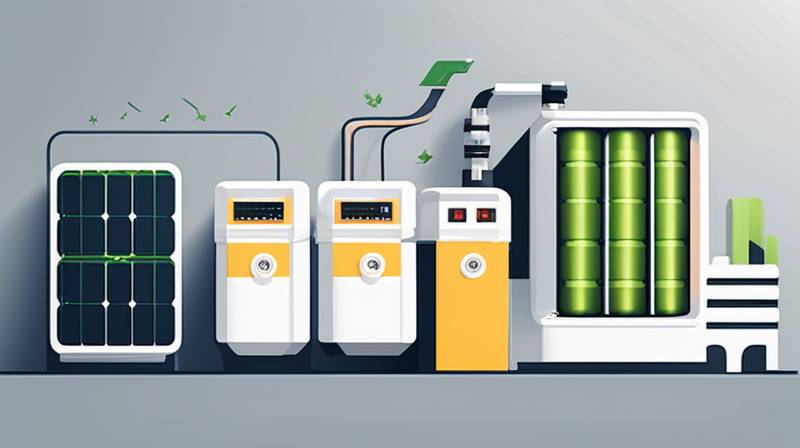
EAST energy storage power supply represents a significant innovation in the energy sector, offering efficient and reliable solutions for storing and distributing electricity. 1. It operates on advanced lithium-ion battery technology, 2. Enhances grid stability through intelligent energy management, 3. Supports renewable energy integration by smoothing the intermittency of sources like solar and wind, 4. Provides a range of applications from residential to industrial usage. One notable feature is its capability to dynamically respond to electricity demand and supply changes, ensuring a consistent power flow and contributing to the overall resilience of the energy infrastructure.
1. INTRODUCTION TO EAST ENERGY STORAGE
EAST energy storage power supply solutions are at the forefront of today’s energy transition. These systems are designed to capture, store, and redistribute energy generated from various sources, facilitating a more reliable and sustainable power supply. One of the most significant advantages of EAST systems is their ability to overcome the inherent limitations of conventional power supply methods, particularly concerning renewable sources.
In an era where climate change has become an urgent global issue, the reliance on fossil fuels is being scrutinized. This has led to an increasing demand for energy storage technologies that can complement intermittent renewable sources. EAST energy storage systems are engineered not only to meet this demand but also to enhance the efficiency of energy consumption across different sectors.
2. OPERATIONAL MECHANISMS
Understanding the operational mechanisms of EAST energy storage is crucial for appreciating its effectiveness. The systems primarily utilize advanced lithium-ion battery technology, which allows for high-density energy storage and rapid discharge capabilities. This technology stands out for its improved energy efficiency, lifespan, and reduced maintenance compared to traditional lead-acid batteries.
Another critical element in the EAST energy storage systems is their use of sophisticated management software. This software optimizes how energy is stored, when it is released, and ensures efficient charging cycles to maximize the lifespan of the batteries. By employing predictive analytics, these systems can forecast energy demand fluctuations based on historical data, weather patterns, and grid dynamics. This capability promotes smart energy distribution, reducing wasted electricity and improving overall grid reliability.
3. APPLICATIONS IN VARIOUS SECTORS
The versatility of EAST energy storage systems means they can be employed in various sectors. From residential homes to large industrial operations, these systems cater to diverse energy needs. In residential applications, they play a fundamental role in creating energy autonomy for homeowners by facilitating solar self-consumption. This not only enhances energy savings but also contributes to environmental sustainability.
For commercial industries, EAST energy storage systems can optimize energy use by shifting consumption patterns, particularly during peak load times. By storing excess energy during off-peak hours and releasing it during high-demand situations, industries can significantly reduce their electricity costs. This strategic energy use is pivotal for companies striving to meet sustainability targets while maintaining cost-effective operations.
4. IMPACT ON GRID STABILITY
One of the profound impacts of EAST energy storage is on grid stability. Modern electrical grids require a delicate balance between supply and demand, which can be challenging with the growing penetration of renewable energy sources. EAST systems help stabilize the grid by offering a buffer during supply fluctuations.
During peak demand periods, these storage units can fulfill energy requirements without stressing the grid. Conversely, when energy production exceeds demand—such as in the case of sunny days with solar energy—these systems can absorb the excess electricity, preventing potential overloading of grid infrastructure. Such proactive measures ensure that the energy supply remains uninterrupted while safeguarding the integrity of the overall electrical network.
5. RENEWABLE ENERGY INTEGRATION
The integration of renewable energy sources is among the most significant benefits of EAST energy storage power supply. As the world transitions towards low-carbon energy systems, the ability to seamlessly incorporate solar, wind, and other renewable energies becomes crucial. EAST energy storage systems provide the flexibility needed to manage the variability often associated with these energy sources.
For instance, during periods of low energy generation (e.g., cloudy days or calm winds), the stored energy can be utilized to maintain a consistent power supply. This not only enhances the value of generated renewable energy but also encourages investment in such technologies, knowing that there are reliable storage solutions in place to manage production inconsistencies. By facilitating smoother energy transitions, EAST systems play a pivotal role in driving the renewable energy agenda forward.
6. ECONOMIC CONSIDERATIONS
The economic impact of EAST energy storage cannot be underestimated. Although the initial investment may seem substantial, the long-term savings generated through energy efficiency and reduced electricity costs easily justify the expenditure. Companies and households can expect reduced peak demand charges and even benefit from lower wholesale electricity prices through strategic storage use.
In addition, government policies and incentives aimed at promoting renewable energy adoption frequently include provisions for energy storage technologies. By leveraging these incentives, users can mitigate upfront costs and enable faster return on investment. As public and private sectors prioritize sustainability, investments in EAST energy storage are becoming increasingly viable and economically sound.
7. ENVIRONMENTAL BENEFITS
The environmental benefits offered by EAST energy storage systems are several-fold. By supporting the integration of renewable energy, these systems help reduce reliance on fossil fuels, thereby minimizing greenhouse gas emissions. Furthermore, they contribute to a lower carbon footprint by allowing for more energy-efficient practices across various sectors.
Another notable aspect is the potential for these energy storage systems to reduce energy waste. By storing excess energy and managing consumption effectively, EAST systems help to lower the overall demand on electrical grids. This productivity boosts the sustainability of energy systems, creating a positive feedback loop that not only stabilizes the grid but also preserves natural resources.
8. CHALLENGES AND LIMITATIONS
Despite the myriad advantages associated with EAST energy storage systems, some challenges and limitations persist. One major hurdle is the material sourcing for lithium-ion batteries. As demand increases, securing materials such as lithium and cobalt may eventually pose supply chain challenges, influencing both pricing and availability.
Additionally, while these systems boast impressive efficiencies, they are limited by cycle life and degradation. Over time, the repeated charge and discharge cycles can reduce battery performance, calling for eventual replacement. Thus, it is vital to consider both the current and future implications of energy storage systems, advocating for research and development aimed at improving technologies and materials sustainability.
FREQUENTLY ASKED QUESTIONS
WHAT IS EAST ENERGY STORAGE POWER SUPPLY?
The EAST energy storage power supply refers to a system designed to capture, store, and distribute energy generated from a variety of sources, primarily renewable ones like solar and wind. These systems utilize advanced lithium-ion batteries which allow for efficient energy storage and rapid electricity discharge capabilities. Unlike traditional energy systems, EAST offers solutions that enhance grid stability, support renewable energy integration, and cater to diverse applications from individual homes to large industrial operations. By using sophisticated management software, EAST systems optimize energy usage, ensuring that energy is stored when demand is low and released when demand peaks.
HOW DOES EAST ENERGY STORAGE IMPACT RENEWABLE ENERGY SOURCES?
EAST energy storage systems significantly empower the use of renewable energy by ensuring that energy generated during peak production times can be stored for later use. The inherent variability of renewable sources poses challenges; however, EAST systems act as a buffer, absorbing excess energy when production exceeds demand and releasing it during peak periods. This integration facilitates a smoother transition toward a renewable-based energy landscape, encouraging further investments in renewable infrastructures, and ultimately reinforcing efforts against climate change.
ARE EAST ENERGY STORAGE SYSTEMS COST-EFFECTIVE?
While the initial capital investment for EAST energy storage systems can be considerable, they often present long-term cost savings. By enabling users to optimize their energy consumption patterns, particularly during peak demand hours, these systems can drastically reduce electricity bills. Moreover, many governments offer incentives for adopting energy storage technologies, further alleviating upfront costs and promoting financial viability. Over time, the operational savings, coupled with benefits from using cleaner energy, can yield a substantial return on investment.
In summation, EAST energy storage power supply stands as a transformative force within the modern energy landscape. With its roots firmly entrenched in innovative lithium-ion technology, this system not only redefines how energy is stored and consumed but revolutionizes our approach to sustainability. Its multifaceted advantages—from enhancing grid stability to fostering the integration of renewable energy—underscore its significance in addressing contemporary energy challenges.
The operational mechanics ensure a user-centric approach towards energy management. By effectively regulating supply and demand fluctuations, customers can enjoy lowered bills while contributing to a more sustainable environment. The diverse applications across residential, commercial, and industrial sectors make EAST systems accessible to various users, ensuring broad adoption.
Moreover, the economic implications present a compelling case for consideration. Despite the challenges posed by material sourcing and battery lifecycle, the long-term advantages and incentives attached to these innovations create a robust framework for energy independence. As the world collectively advances towards greener energy solutions, EAST energy storage power supply epitomizes the ultimate synergy between innovation and sustainability, ushering in a resilient and efficient energy future.
Original article by NenPower, If reposted, please credit the source: https://nenpower.com/blog/how-about-east-energy-storage-power-supply/

