

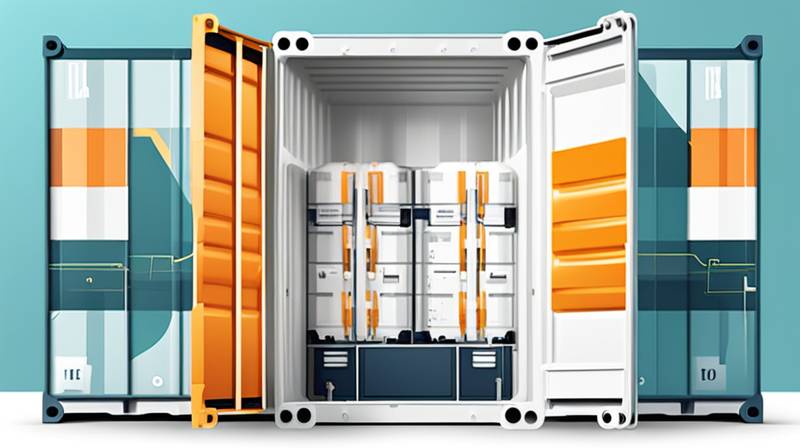
Container energy storage offers a versatile and efficient solution for modern energy management, providing several key advantages: 1. High Flexibility, allowing for deployment in various environments, 2. Rapid Scalability, enabling swift adaptation to changing energy demands, 3. Enhanced Safety Features, ensuring reliable operation, and 4. Cost-effectiveness, providing an attractive return on investment over time. The benefits of container energy storage systems elevate them as a compelling option in the renewable energy landscape. Among these advantages, the aspect of flexibility deserves particular attention. Containerized systems can be transported and deployed with ease, making them ideal for both urban and rural settings where traditional infrastructure may lack. This adaptability supports grid stability and renewables integration, especially in remote areas.
1. CONTAINER ENERGY STORAGE SYSTEMS: AN INTRODUCTION
Container energy storage systems represent a significant leap forward in the quest for energy sustainability. These systems typically consist of energy storage modules housed within intermodal shipping containers, allowing for easy transportation and installation. This innovative approach enables energy generation and storage from various sources, including solar, wind, and conventional power plants. The growing demand for efficient energy management has propelled container storage into the spotlight, making it essential to explore its various implications for both the energy market and consumption patterns.
The intrinsic design of container energy storage systems is engineered for both efficiency and functionality. By employing modular battery units, these systems can easily be scaled up or down, depending on energy requirements. Additionally, their structural design enhances durability and protects the core components against environmental elements. This resilience is critical, particularly in regions prone to extreme weather conditions, reflecting the utility of containerized storage in diverse applications.
2. ADVANTAGES OF CONTAINER ENERGY STORAGE
The advantages of container energy storage systems extend beyond mere convenience and into critical functionalities that positively impact energy consumption. First and foremost, the flexibility of these systems allows them to be deployed in an array of settings. Businesses, municipalities, and even residential homes can benefit from the portability offered through container storage, particularly in remote areas lacking a robust power grid infrastructure. This enhanced adaptability translates into solar or wind farms storing excess energy generated during peak production hours.
Moreover, the modular design of containerized systems promotes rapid scalability, which is essential in today’s fluctuating energy landscape. As demand for energy solutions evolves, adding or removing units is straightforward and practical. This agility helps organizations respond effectively to changing conditions while ensuring operational efficiency. Such characteristics also serve to lower upfront costs, making energy storage a feasible option for many who may otherwise struggle with energy management.
3. APPLICATIONS OF CONTAINER ENERGY STORAGE
The applications of container energy storage systems are multifaceted, revealing their utility in a variety of sectors. In commercial settings, these storage systems can help businesses decouple their energy sources and achieve significant cost savings on electricity bills. By storing energy during off-peak hours when rates are lower, the excess can then be utilized during peak hours to minimize expenses. This fiscal prudence provides a layered approach to energy consumption, demonstrating that financial incentives align seamlessly with environmental sustainability.
Furthermore, the installation of container energy storage systems can serve as a reliable backup power solution for critical infrastructure facilities. Hospitals, emergency service stations, and data centers, all thrive on uninterrupted power supply. By maintaining a localized energy source, these entities can mitigate potential disruptions, enhancing resilience against outages or power shortages. This capability establishes an additional incentive for investing in such systems, showcasing their role not only in economic terms but also in safeguarding operational continuity.
4. ECONOMICS OF CONTAINER ENERGY STORAGE
In evaluating the economic implications of container energy storage, a careful analysis reveals various dimensions of cost-effectiveness. First, while the initial capital investment may appear daunting, the long-term returns are often substantial. The decreasing costs of battery technology have contributed significantly to the business case for container energy storage. Enhanced performance coupled with advancements in energy technology positions container systems as a viable option for companies navigating volatile energy prices.
Furthermore, energy credits and incentives for utilizing renewable resources often accompany such systems, further enhancing their financial attractiveness. Various government programs and grants serve to subsidize the costs associated with adopting this technology, making entry into the energy storage space more accessible for small and medium-sized enterprises. This synergistic relationship between policy support and technological innovation enables expansive growth within the energy sector, allowing stakeholders to leverage container energy storage for both environmental and economic benefits.
5. CHALLENGES AND CONSIDERATIONS
No new technology comes without its hurdles, and container energy storage systems are no exception. One primary concern revolves around the limited lifespan of battery technologies. While advances in chemistry can enhance battery longevity, degradation over time remains a reality that operators must confront. Proper maintenance protocols are essential, thereby bringing ongoing operational and capital costs into the conversation. Stakeholders need to consider these factors when evaluating the feasibility of container energy storage systems to ensure they achieve optimal performance throughout their lifecycle.
Moreover, regulatory hurdles can impact the adoption of container energy storage systems as well. Existing frameworks may not sufficiently accommodate innovative technologies, leading to delays or complications in deployment. Navigating these regulatory landscapes is essential for stakeholders advocating for adoption, necessitating collaboration between energy providers, technology developers, and policymakers to streamline processes and promote conducive environments for growth.
FAQs
WHAT TYPES OF ENERGY SOURCES CAN BE USED WITH CONTAINER ENERGY STORAGE SYSTEMS?
Container energy storage systems are compatible with a wide range of energy generation sources. Primarily, solar and wind power stand out as the most common sources due to their renewable nature and widespread installation. Solar panels can store excess energy produced during daylight hours. In parallel, wind farms capture energy produced during windy periods, allowing for that energy to be stored until demand peaks. This integration embodies the broader movement toward sustainable energy practices, ultimately reducing reliance on fossil fuels.
Additionally, containerized systems can also operate in conjunction with traditional energy sources, including natural gas or diesel generators. This flexibility allows for a more comprehensive energy management strategy, where backup power can be derived from both conventional and renewable systems. The global push towards clean energy does not exclude these traditional sources, as they can complement renewable installations during transitional phases. Thus, the adoption of container energy storage systems fosters a harmonious blend of energy solutions suitable for diverse application needs.
HOW LONG DO CONTAINER ENERGY STORAGE SYSTEMS LAST?
The lifespan of container energy storage systems largely depends on the underlying battery technology utilized within the container. Lithium-ion batteries, for instance, typically exhibit lifespans ranging from 10 to 15 years under ideal operating conditions. Factors influencing lifespan include thermal management, charging cycles, and environmental conditions, all of which contribute to the overall durability of the installation. Proper maintenance and operational strategies can enhance longevity, ensuring reliable performance throughout their service period.
Alternative battery chemistries, such as flow batteries or advanced lead-acid batteries, may also be deployed within containers, each exhibiting unique characteristics, including longevity. It is crucial for stakeholders to conduct a thorough analysis of their performance metrics, including cycle life and depth of discharge, to make informed decisions. Consequently, meticulous planning regarding technology selection and regular maintenance can ensure that system longevity aligns with user expectations and operational demands.
ARE THERE ANY REGULATORY ISSUES WITH CONTAINER ENERGY STORAGE SYSTEMS?
Absolutely, just as with any innovative technology, container energy storage systems encounter regulatory considerations that stakeholders must navigate. First, jurisdictions may have varying regulations concerning installation, usage, and environmental impact, often leading to compliance difficulties. These regulations can dictate necessary permits, safety requirements, and operational conditions that must be met prior to deployment, subsequently affecting timelines and costs associated with implementation.
Furthermore, as container energy storage systems provide versatility in placement and application, different regulatory frameworks may apply based on location, intended use, or grid connection type. Engaging with local governmental bodies and energy regulators early in the planning process enables stakeholders to understand implications and mitigate potential barriers. Consequently, strategic collaboration and proactive management of regulatory landscapes become essential components of a successful container energy storage project.
Container energy storage systems present a transformative approach to energy management that harmonizes efficiency, flexibility, and sustainability. An in-depth exploration reveals their immense potential, not only in enhancing grid reliability but also in promoting economic viability for enterprises and communities. As stakeholders navigate the evolving landscape, acknowledging both advantages and challenges will be pivotal in fostering a broader acceptance of this innovative technology. The trajectory of energy storage systems underscores the critical need for collaboration across sectors and disciplines to develop frameworks that empower utility, economic sustainability, and environmental stewardship. In light of these insights, container energy storage emerges as a key player in the energy transition, establishing pathways toward a sustainable future while addressing essential energy needs across diverse contexts. Stakeholders must harness this momentum and actively engage with the elements that drive success, ensuring that container energy storage systems fulfill their promise of revolutionizing energy dynamics for generations to come.
Original article by NenPower, If reposted, please credit the source: https://nenpower.com/blog/how-about-container-energy-storage/

