

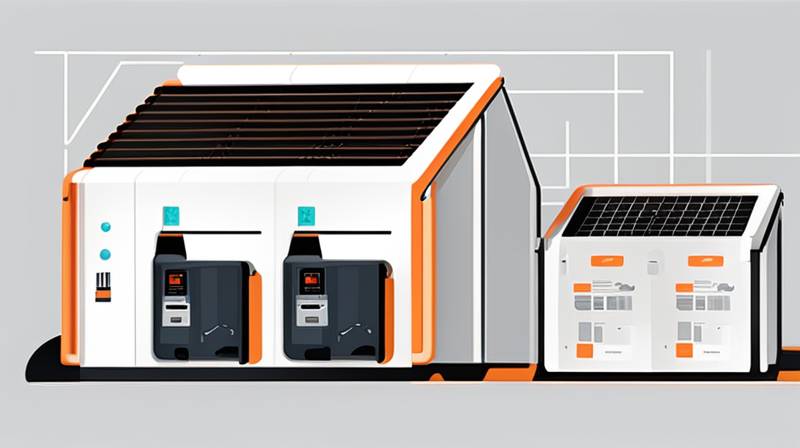
1. BYD energy storage power stations are leading innovations in renewable energy management, characterized by: 2. High efficiency, enabling significant energy savings; 3. Environmental sustainability, contributing to decreased carbon footprints; 4. Economic profitability, providing cost-effectiveness for both businesses and consumers. A notable aspect is their ability to integrate seamlessly with diverse renewable energy sources, optimizing energy use effectively.
1. UNDERSTANDING BYD ENERGY STORAGE POWER STATIONS
BYD energy storage power stations represent a profound advancement in the field of renewable energy technology. The integration of energy storage systems plays a crucial role in enhancing the reliability and efficiency of power generation. Energy storage systems (ESS) are pivotal to addressing the intermittency challenges associated with renewable resources such as solar and wind energy. By capturing surplus energy generated during peak production hours and releasing it during periods of high demand, BYD fosters a more balanced and sustainable energy ecosystem.
One of the fundamental concepts related to these power stations is the Battery Energy Storage System (BESS). BYD employs advanced lithium iron phosphate (LiFePO4) technology known for its safety, longevity, and sustainability. This technology is particularly advantageous in supporting the ever-evolving grid systems, ensuring that energy is available when it is needed most. Moreover, BESS not only manages peak demands efficiently but also provides various grid support services like frequency regulation and voltage stabilization, which enhances overall energy stability.
2. TECHNOLOGICAL INNOVATIONS IN BYD ENERGY STORAGE SOLUTIONS
The technological advancements in BYD’s energy storage solutions underscore their commitment to innovation. Advanced Lithium-ion Battery Technology is a cornerstone of BYD’s offerings. These batteries not only deliver high energy density but also boast smaller dimensions, making them suitable for diverse applications ranging from residential setups to large-scale utility projects. BYD’s innovation in battery lifecycle management also focuses on longevity and sustainability, reducing the environmental impact associated with battery disposal.
Another noteworthy innovation is the development of smart energy management systems. These systems leverage sophisticated algorithms to optimize charging and discharging cycles based on real-time data, thus enhancing operational efficiency. This technology empowers consumers and businesses to manage their energy consumption proactively while minimizing operational costs. Additionally, the integration of Internet of Things (IoT) capabilities enables remote monitoring and control, allowing stakeholders to benefit from insights that inform strategic energy decisions.
3. ECONOMIC IMPLICATIONS OF BYD ENERGY STORAGE POWER STATIONS
When analyzing the economic ramifications of BYD energy storage systems, there is an evident potential for cost reduction and profit maximization. Businesses and residential users adopting these systems experience lower energy bills due to reduced reliance on grid energy during peak pricing periods. Moreover, governments and businesses can realize significant savings through incentives and rebates tailored for renewable energy technologies.
The return on investment (ROI) for installing energy storage solutions from BYD is compelling. Many users have reported that, within a few years, they recoup their initial investments through savings on energy costs. Furthermore, the scalability of these power stations means that users can start small and expand as their needs grow. This flexibility is particularly advantageous for smaller businesses or homeowners who may be concerned about upfront capital expenditures.
4. ENVIRONMENTAL BENEFITS OF BYD ENERGY STORAGE POWER STATIONS
The environmental advantages of deploying BYD’s energy storage power stations extend far beyond mere energy efficiency. By facilitating the use of renewable energy sources, these systems play a vital role in reducing greenhouses gases and mitigating climate change impacts. They also contribute to a more sustainable energy paradigm by supporting the larger adoption of solar and wind installations.
Furthermore, reducing waste in energy production processes is a critical aspect of BYD’s environmental strategy. By efficiently managing energy resources, they limit the amount of energy that is lost during transmission and distribution. This minimizes the need for power generation from fossil fuels, thereby further decreasing the carbon footprint associated with traditional energy production. The sustainability of BYD’s batteries also reflects a commitment to minimizing hazardous material use, promoting a cleaner environment for future generations.
5. BYD ENERGY STORAGE POWER STATIONS IN ACTION
An examination of various case studies reveals the transformative impact of BYD energy storage stations in real-world applications. For example, in several urban areas, these systems have been integrated into public transportation networks, enabling electric buses to utilize stored energy for operational efficiency. This innovation not only reduces fuel costs but also empowers cities to reduce their carbon emissions substantially.
In rural settings, BYD’s systems have provided critical support to agricultural enterprises by coupling energy storage with solar installations. Farmers can harness renewable energy during daylight hours and utilize stored power for irrigation and other operational needs at night or during winter months, leading to significant savings and enhanced productivity.
FREQUENTLY ASKED QUESTIONS
WHAT MAKES BYD ENERGY STORAGE POWER STATIONS DIFFERENT FROM CONVENTIONAL ON-GRID SYSTEMS?
The distinction lies primarily in the autonomy and flexibility that BYD energy storage power stations provide compared to conventional on-grid systems. While traditional grids rely heavily on centralized power generation, BYD’s solutions empower users with the ability to harness and store energy locally. This leads to greater energy independence, as users can draw from their stored energy rather than being solely dependent on grid resources. Furthermore, these power stations support peak demand management, ensuring energy supply is maintained during high demand periods without straining external resources.
HOW DO BYD ENERGY STORAGE POWER STATIONS INTEGRATE WITH RENEWABLE SOURCES?
Integration with renewable sources is facilitated through smart grid technology that allows for efficient energy flow and storage management. BYD energy storage power stations are designed to connect seamlessly with solar and wind installations, capturing excess energy when production is high. This stored energy can be utilized anytime, enhancing both individual user energy reliability and overall grid stability. The systems are equipped with advanced monitoring capabilities, enabling real-time adjustments to energy storage and distribution based on fluctuating solar and wind outputs.
WHAT ARE THE SAFETY MEASURES IN PLACE FOR BYD ENERGY STORAGE POWER STATIONS?
Safety is a paramount concern in energy storage technology, and BYD employs a host of measures to ensure operational security. The company utilizes lithium iron phosphate (LiFePO4) batteries known for their thermal stability and minimal risk of combustion. Moreover, advanced battery management systems monitor temperature, charge rates, and overall battery health to identify potential issues proactively. Regular maintenance protocols, alongside robust design features, further enhance the safety and reliability of their power stations.
In summary, the advancements and implications of BYD energy storage power stations symbolize a transformative shift in how energy is consumed and managed. With a firm foundation in innovative battery technology and cutting-edge management systems, BYD emerges as a key player in the renewable energy landscape. By harnessing energy from intermittent sources effectively, these power stations not only contribute to environmental sustainability but also enhance economic viability for users. The integration of smart technologies ensures that both residential and commercial applications benefit from lower energy costs and increased efficiency. Furthermore, as governments globally push for cleaner energy, the adoption of systems like BYD’s aligns with broader sustainability goals. The potential of BYD energy storage solutions extends beyond individual users; they stand to bolster entire communities, thereby significantly contributing to energy independence and resilience. Stakeholders ranging from businesses to policymakers should consider the far-reaching advantages presented by such innovative systems. As the world continues to face challenges related to climate change and energy demand, BYD energy storage power stations represent a promising solution that can lead towards a more sustainable and economically sound energy future.
Original article by NenPower, If reposted, please credit the source: https://nenpower.com/blog/how-about-byd-energy-storage-power-station/

