

House of Commons Publishes Update on BESS Battery Fire Risks
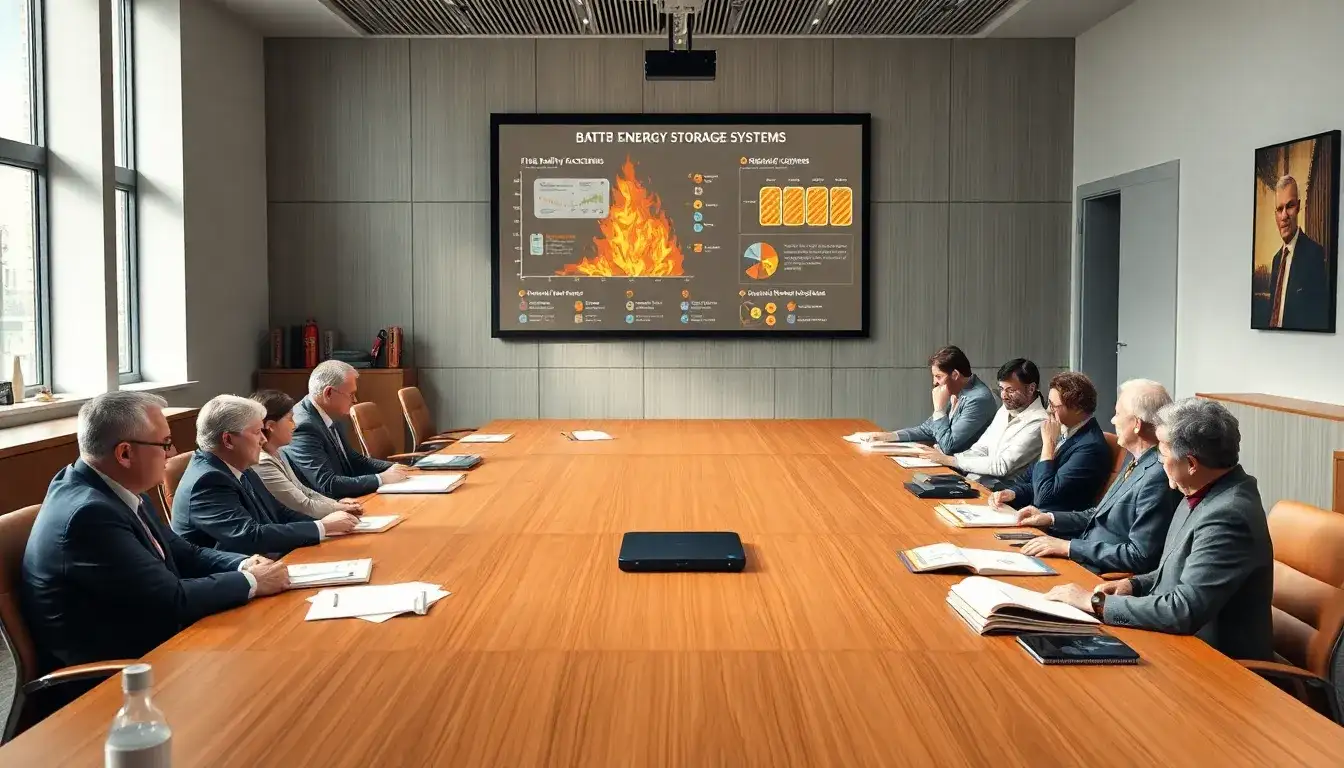
On June 26, 2025, the House of Commons released an update regarding the fire risks associated with Battery Energy Storage Systems (BESS). As the UK pushes towards Environmental, Social, and Governance (ESG) and Net Zero policies, there is an increase in the construction of arrays for old battery packs. These systems are designed to provide a few minutes of emergency power to prevent local blackouts. However, this raises concerns about potential fire hazards.
For insurers involved in these projects—whether through construction insurance or by investing pension fund contributions in BESS facilities—there is a pressing need for more comprehensive research on the long-term risks. Additionally, the future value of BESS plants, projected over the next 20-30 years, must be considered, especially if these facilities are treated as pension fund assets.
The report notes that while safety incidents involving BESSs are infrequent, there remains a significant concern regarding the fire risk posed by lithium-ion batteries. These batteries can catch fire due to a phenomenon known as “thermal runaway,” which may occur if a battery is damaged. Fortunately, advancements in understanding thermal runaway have led to the development of more flame-resistant batteries. BESS sites can also incorporate safety features such as fire suppression systems.
Currently, there is no reliable public record of BESS fires in the UK or elsewhere. However, two notable incidents have been documented: a fire at a BESS site in Liverpool in September 2020 and another at a BESS project under construction in Essex in February 2025.
Regarding regulation, there is no single piece of legislation that outlines specific requirements for BESS sites. Instead, a framework of existing laws is applicable. Individual batteries may need to comply with product safety regulations, particularly if second-life batteries are utilized. Furthermore, grid-scale facilities must adhere to relevant fire safety and health and safety laws. The Health and Safety Executive has created a webpage dedicated to grid-scale battery energy storage systems, compiling pertinent legislation. In April 2024, the government also issued new guidance on the health and safety of grid-scale electrical energy storage.
There are ongoing concerns that the current regulations and guidance may not adequately address the safety risks associated with BESSs. For instance, there are growing calls for fire and rescue services to be made statutory consultees for planning applications related to BESSs. In response to safety concerns, the government asserts that BESSs operate under a “robust regulatory framework.” In August 2023, it published guidance encouraging developers and local planning authorities in England to consult with local fire and rescue services when preparing and making decisions on planning applications for BESSs.
For further details, you can read the full Parliamentary Briefing [here](#).
Original article by NenPower, If reposted, please credit the source: https://nenpower.com/blog/house-of-commons-reports-on-fire-safety-concerns-linked-to-battery-energy-storage-systems/

