

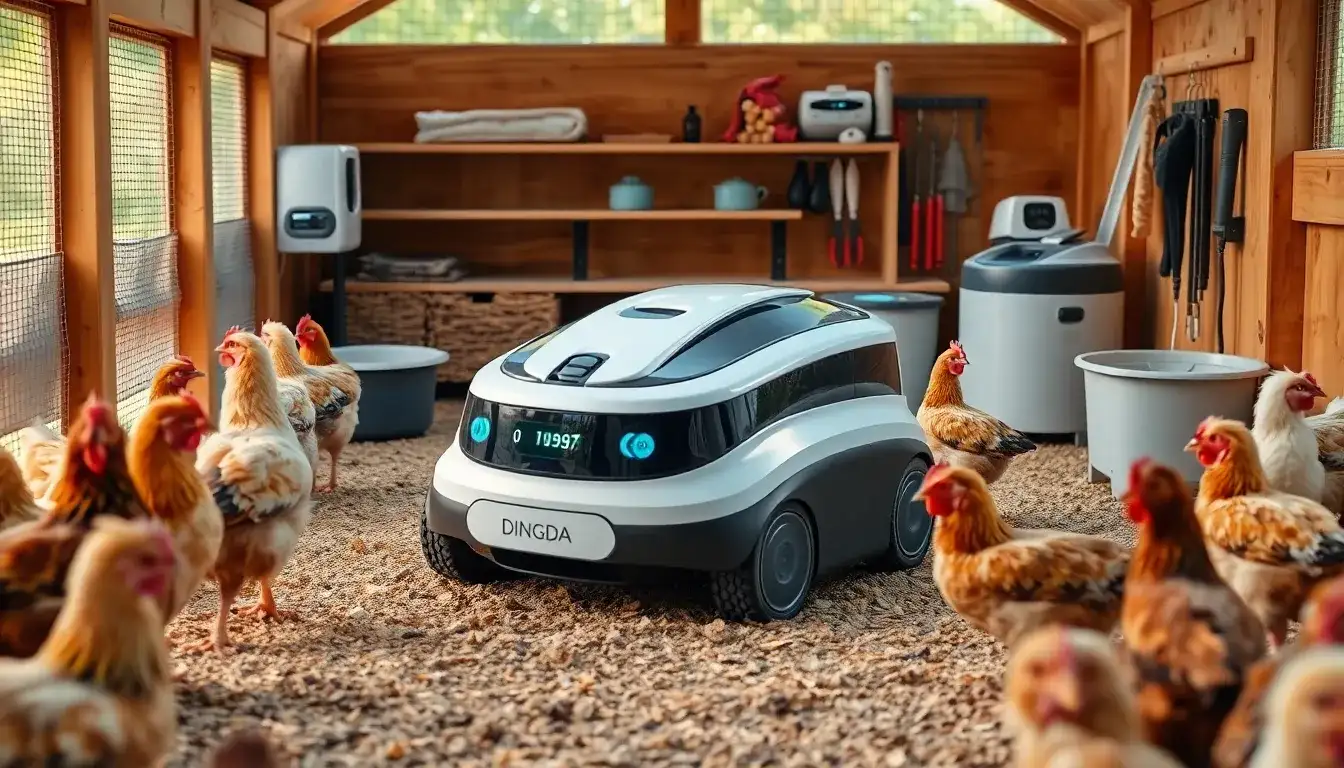
Guide to the Application of Dingtai Chicken Cage Cleaning Robots: Precise Selection, Standard Operation, and Maintenance
High-quality equipment requires excellent application methods. Dingtai not only delivers advanced robots but also offers a reliable operational promise. This Guide to Chicken Cage Cleaning Robots is designed to provide one-stop solutions for selection, operation, and maintenance, ensuring a worry-free experience.
1. Precise Selection: Tailored Optimal Solutions
To accurately match your chicken house conditions, Dingtai has developed a comprehensive product lineup:
- Six-nozzle Foldable Lift Version (Basic Efficient Type: Meets the daily cleaning needs of most standardized chicken houses)
- Eight-nozzle Foldable Lift Version (Enhanced Coverage Type: Designed for wider or more complex cage structures, significantly improving cleaning efficiency and coverage)
- Custom Models (such as ten-nozzle or other non-standard models; we support customization to ensure the best-fit solution for you)
2. Standard Operation: Easy Steps to Get Started
Dingtai provides standardized operating instructions to ensure optimal equipment performance while safeguarding operator safety and maintaining long-term stability. Please follow these clear steps to prepare for operation:
- Connect power safely
- Connect the water pipe
- Connect the robot
- Adjust the robot
- Adjust the nozzles
- Operate the hose collector
- Start the cleaning operation
3. Scientific Maintenance: Ensuring Efficiency and Longevity
(1) Daily Maintenance (Before and After Each Shift)
Before Operation:
- Visual Inspection: Walk around the machine to check for any visible bumps or damages to the body and nozzles.
- Fasteners Check: Quickly check for any signs of looseness in key screws.
- Power Check: Ensure the battery has sufficient charge to complete the cleaning tasks for the shift.
- Pipe Inspection: Visually check the water supply and high-pressure hoses for twists, wear, or leaks.
After Operation:
- Thorough Cleaning: Rinse the entire robot using clean water (or a low-pressure water gun), focusing on removing manure, feathers, and feed residues from the body, wheels, nozzles, and sensor windows. Finally, return the robot to a clean, dry, and ventilated designated storage area for thorough drying.
(2) Regular Maintenance
To ensure the longevity and accuracy of the equipment, please note:
- Regularly inspect movable components for loose screws, reliable limit switches, and proper functioning of safety devices.
- To extend the pump head’s lifespan, change the engine oil regularly: replace it after the first 50 hours of initial use, then every 300 hours thereafter.
- After using the cleaning equipment, keep it clean, dry, and ventilated to prevent corrosion damage to electrical components.
(3) Long-term Care and Storage
Comprehensive Inspection:
- Perform a thorough inspection, tightening, cleaning, and lubricating the robot.
- Battery Maintenance: If the robot will not be used for an extended period, remove the battery and store it in a cool, dry place, maintaining regular charging (recommended once a month) to avoid battery damage from deep discharge.
Investing in Dingtai is not just about purchasing a machine; it’s about choosing a year-round cleaning expert and a reliable solution. From precise matching to long-term companionship, we are committed to advancing the cleaning revolution in your farm, ensuring your productivity is safeguarded. Take action now to get your tailored selection plan and quote!
Disclaimer: The content above (including any images or videos) has been uploaded and published by a user on the “NetEase Hao” platform, which only provides information storage services.
Original article by NenPower, If reposted, please credit the source: https://nenpower.com/blog/guide-to-using-dingda-chicken-coop-cleaning-robots-selection-operation-and-maintenance-tips/

