

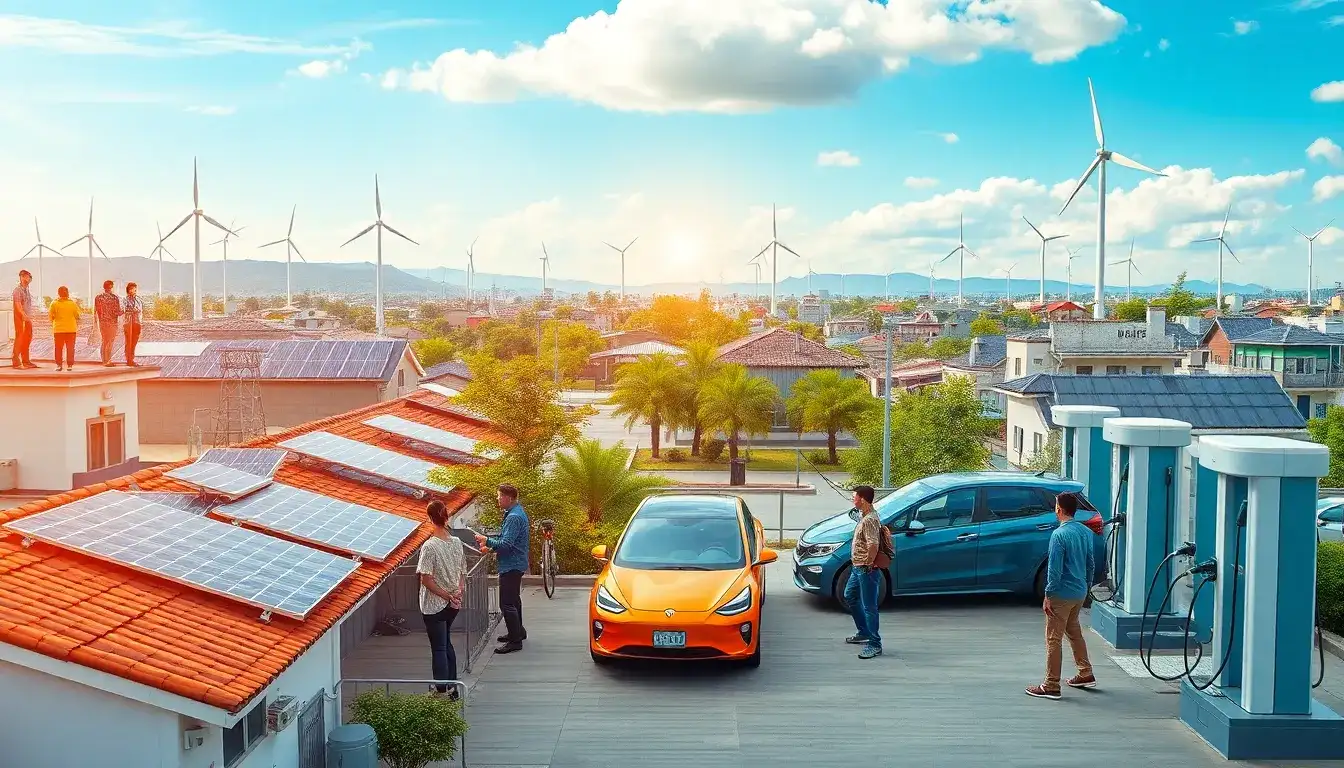
Currently, the global energy system is undergoing a profound electricity revolution. According to the latest data from the International Energy Agency (IEA), global electricity demand is projected to surge by 4.3% in 2024, doubling the average growth rate of the past decade. Hiu Yau Chan, the IEA’s Director of Energy Markets and Security, emphasized that this leap reflects a fundamental transformation in the world energy system. Clean electricity is evolving from a supplementary resource to a primary driver of growth. The 2025 Global Electricity Review report by energy think tank Ember indicates that clean electricity will account for 40.9% of the global energy mix in 2024. With the large-scale adoption of electric vehicles, the industrialization of green hydrogen production, and the explosive growth of artificial intelligence (AI) computing power, the decarbonization of the electricity system will become a key driving force for deep decarbonization globally.
The electricity revolution is reshaping the energy security landscape. In the context of geopolitical crises impacting global energy supply chains, the electricity sector has demonstrated unique strategic resilience. The IEA has noted that the concept of energy security has expanded from traditional supply guarantees to new dimensions, including the resilience of clean technology supply chains and the flexibility of electricity systems. Energy security increasingly relies on electricity, which can reduce dependence on fossil fuels from geopolitically sensitive regions through the large-scale deployment of distributed energy sources such as wind and solar, supported by storage solutions. As a result, this electricity revolution is reconstructing the global energy security framework, shifting from resource control based on geopolitical rivalry to a new security architecture focused on technological innovation and system flexibility.
The global climate crisis and extreme weather events underscore the importance of electricity security. Currently, there is a significant gap between countries’ emission reduction commitments and climate goals. As a key industry responsible for 40% of global carbon emissions, the electricity system is addressing the intermittent challenges of clean energy on the supply side through breakthroughs in technologies such as sodium batteries and hydrogen energy storage. Carbon capture, utilization, and storage (CCUS) technologies offer a low-carbon transition path for traditional thermal power generation. On the demand side, “electrification” is reshaping energy consumption patterns, with large-scale electric vehicle adoption and breakthroughs in industrial hydrogen production overcoming high-temperature heating bottlenecks. The electricity transition is gradually integrating into an ecological security framework, achieving a dynamic balance between the energy system and ecological carrying capacity.
Breakthroughs in core technologies within the electricity system are crucial for supporting energy security and the energy transition. The IEA reports that by 2030, electricity consumption in data centers will increase by more than 100%. This explosive growth is accelerating the transformation of energy systems, with AI emerging as a key enabler of the electricity transition. On the generation side, smart forecasting optimizes the integration of renewable energy, addressing the intermittency of wind and solar generation. On the grid side, AI-driven dynamic capacity enhancement has increased the transmission capacity of the PJM grid in the United States by 15%, while intelligent diagnostic systems have reduced fault response times to milliseconds. On the consumption side, demand response systems leverage machine learning to dynamically match load curves with generation curves. This comprehensive smart transformation enables the electricity system to manage the surge in demand while overcoming traditional physical constraints through AI empowerment, ultimately driving the energy system’s shift from passive to proactive safety upgrades.
While the transformation direction is consistent, different countries have formulated various electricity transition strategies based on factors such as resource endowment, technological levels, and policy orientations. North America emphasizes energy independence and accelerates the commercialization of energy technologies. The transformation of the U.S. electricity system includes two aspects: a transition driven by decarbonization, involving the expansion of renewable energy generation and the closure of coal-fired power plants or the addition of CCUS technology; and the rapid advancement of smart grids, distributed microgrids, and digital electricity markets, creating historic investment opportunities. Therefore, the U.S. transformation paradigm reveals a deep-seated principle: modernizing the electricity system must align with industrial competitiveness and advanced technologies.
In Europe, the focus is on carbon reduction while also prioritizing energy security. In 2024, the EU’s solar photovoltaic power generation surpassed coal-fired generation, reaching a record 30% share. The EU’s REPowerEU plan aims to significantly reduce dependence on fossil fuels by 2030 and innovatively incorporates the modernization of the grid and incentives for end-use electrification into a unified policy framework. This transition deeply couples energy security with climate goals, using renewable installations to mitigate the risks of fossil fuel supply disruptions caused by geopolitical conflicts. It also establishes a promotion system based on “technical standards, industrial policies, and market mechanisms,” with the carbon border adjustment mechanism (CBAM) reshaping global green trade rules.
The energy transition in the Asia-Pacific region exhibits a distinct “steady progress” characteristic, accelerating the clean energy revolution while ensuring electricity security. The energy transition scenarios of countries in this region are highly extreme, with coal still playing a role in ensuring energy accessibility, but renewable energy generation capacity is expected to double by 2030. According to statistics from consulting firm Wood Mackenzie, from 2015 to 2023, Asia accounted for 81% of the global growth in electricity demand. In 2024, China contributed 53% of the world’s new solar capacity and 58% of new wind capacity. Japan, on the other hand, is building a new paradigm of energy security for resource-scarce nations through localized development of offshore wind and geothermal energy combined with hydrogen storage and transportation technology. This transition model, which emphasizes both scale expansion and energy system stability, is exploring a development path for emerging economies that differs from the European and American paradigms, focusing on technological innovation to transform energy security and low-carbon development from a “binary opposition” into a “synergistic coexistence.”
The new electricity system is driving transformations in the energy system. The surge in electricity demand is propelling the rise of renewable energy. The IEA projects that by 2027, solar photovoltaic generation will account for half of the global electricity demand growth. Investment in renewable energy has significantly expanded, with total investments reaching $450 billion in 2023, of which China accounts for one-third. Shell announced in 2023 that it will invest $30 billion over the next five years in solar, wind, hydrogen, and other fields. However, this transition also highlights the misalignment between outdated regulatory frameworks and the rapidly developing renewable energy technologies. Institutional innovation is becoming a key variable to break through transition bottlenecks: Germany has increased the approval rate for onshore wind projects by 150% by simplifying permitting processes, while the U.S. Federal Energy Regulatory Commission (FERC) reforms interconnection processes, reflecting the critical role of institutional innovation in unleashing renewable energy potential.
Although the share of renewable energy in electricity supply is gradually increasing, frequent extreme weather poses severe challenges to electricity supply. In response, the IEA recommends strengthening the resilience of electricity systems. The focus should be on enhancing two core capabilities: ensuring that electricity systems have sufficient capacity reserves to handle extreme peaks and improving grid flexibility to balance the volatility of renewable energy. To achieve this, electricity systems are undergoing a profound transformation driven by the collaboration of energy storage technologies and smart grid advancements. In the energy storage sector, new technologies such as lithium-ion and flow batteries enable millisecond-level responses for peak shaving and frequency regulation. In the grid sector, flexible direct current transmission and distributed intelligent dispatch systems are being developed to create resilient networks. These innovations are propelling electricity systems towards deep transitions that accommodate high proportions of renewable energy.
Electricity sharing is fostering new changes in regional energy cooperation. The high concentration of clean energy technology supply chains has become the Achilles’ heel of the transition, with a “unipolar” supply structure exposing the global energy transition to geopolitical risks. In this context, the interconnection of electricity systems demonstrates unique strategic value. Chinese companies have invested in building multiple hydropower stations, coal-fired power plants, and transmission lines in Southeast Asia, addressing domestic electricity shortages in Laos while avoiding the construction of redundant, costly backup capacity. EU countries have achieved electricity interconnectivity by building cross-border transmission lines, allowing mutual support during peak electricity demand periods and enhancing the stability of energy supply.
From coal to oil and now to the electricity era, the fundamental logic of the energy system has undergone a profound transformation. This electricity transition has shifted from resource possession to standard control, from supply guarantees to system resilience. As the IEA describes the future of global energy transition in its report: “In the history of energy, we have witnessed the coal and oil eras; now we are rapidly entering the electricity era.”
Original article by NenPower, If reposted, please credit the source: https://nenpower.com/blog/global-energy-system-enters-new-era-of-electric-leadership/

