

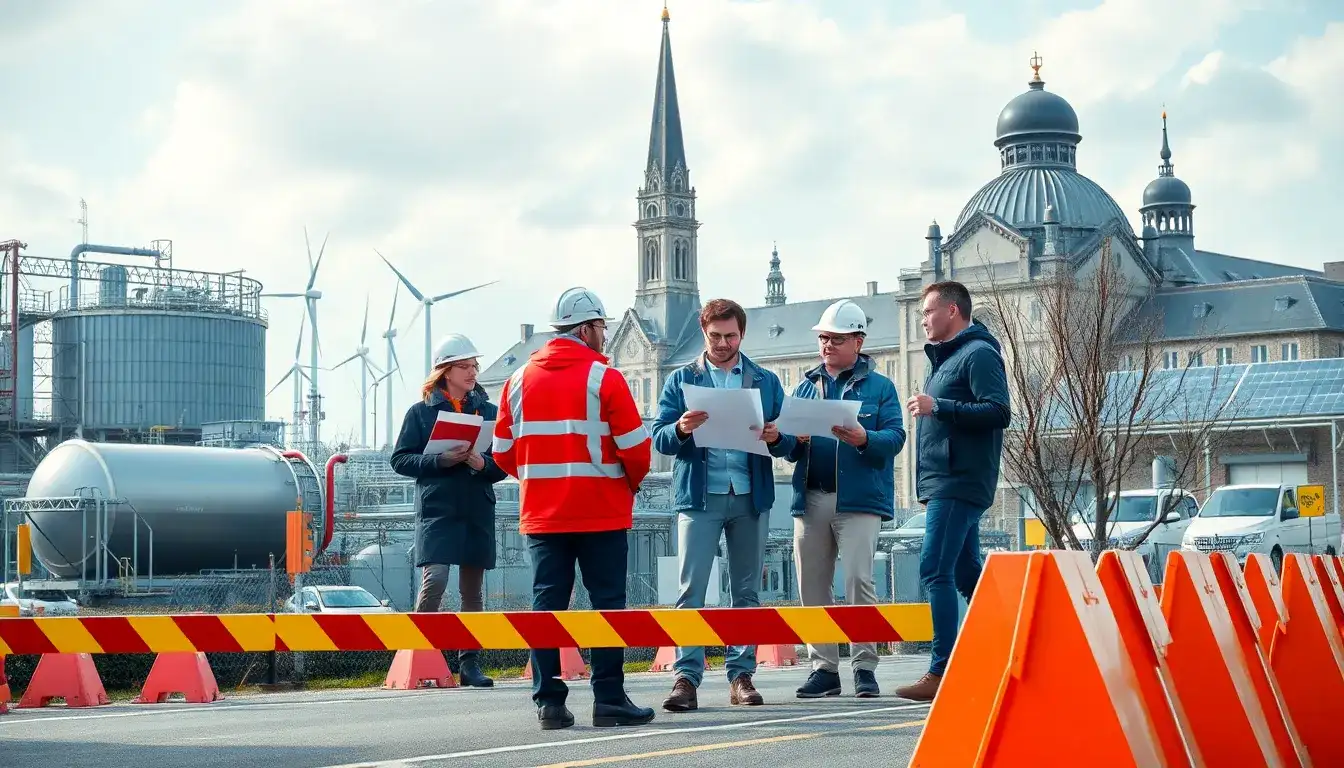
Germany is positioning hydrogen energy as a vital pillar in its energy transition, particularly to meet the demands of sectors such as steel and chemicals. According to the country’s hydrogen strategy, by 2030, Germany aims to achieve a green hydrogen production capacity of 10 gigawatts, which could replace 12% of the natural gas used in the industrial sector nationwide. To support this initiative, the German government has invested €9 billion in 62 hydrogen projects, including the world’s first hydrogen-based direct reduction iron production line at the Salzgitter steel plant, which is projected to reduce carbon dioxide emissions by 800,000 tons annually.
One of the main barriers to the widespread adoption of hydrogen energy is the issue of cost. Currently, the price for industrial users purchasing green hydrogen ranges from €4.5 to €6 per kilogram, which is more than twice that of gray hydrogen. Companies like Thyssenkrupp have indicated that without government support, the cost of hydrogen in steel production could lead to a 25% increase in product prices.
In terms of infrastructure, progress has been made in adapting natural gas pipelines for hydrogen transport. A pilot project by the Rhine Group in Essen has successfully implemented a 10% hydrogen blending in its supply. However, only 15% of the national pipeline network has undergone necessary adaptations, and there is a significant shortfall in hydrogen storage facilities. Currently, Germany’s underground salt cavern storage capacity for hydrogen stands at only 13,000 tons, while the anticipated demand for 2030 is 500,000 tons.
Original article by NenPower, If reposted, please credit the source: https://nenpower.com/blog/germanys-hydrogen-strategy-overcoming-challenges-from-blueprint-to-implementation/

