

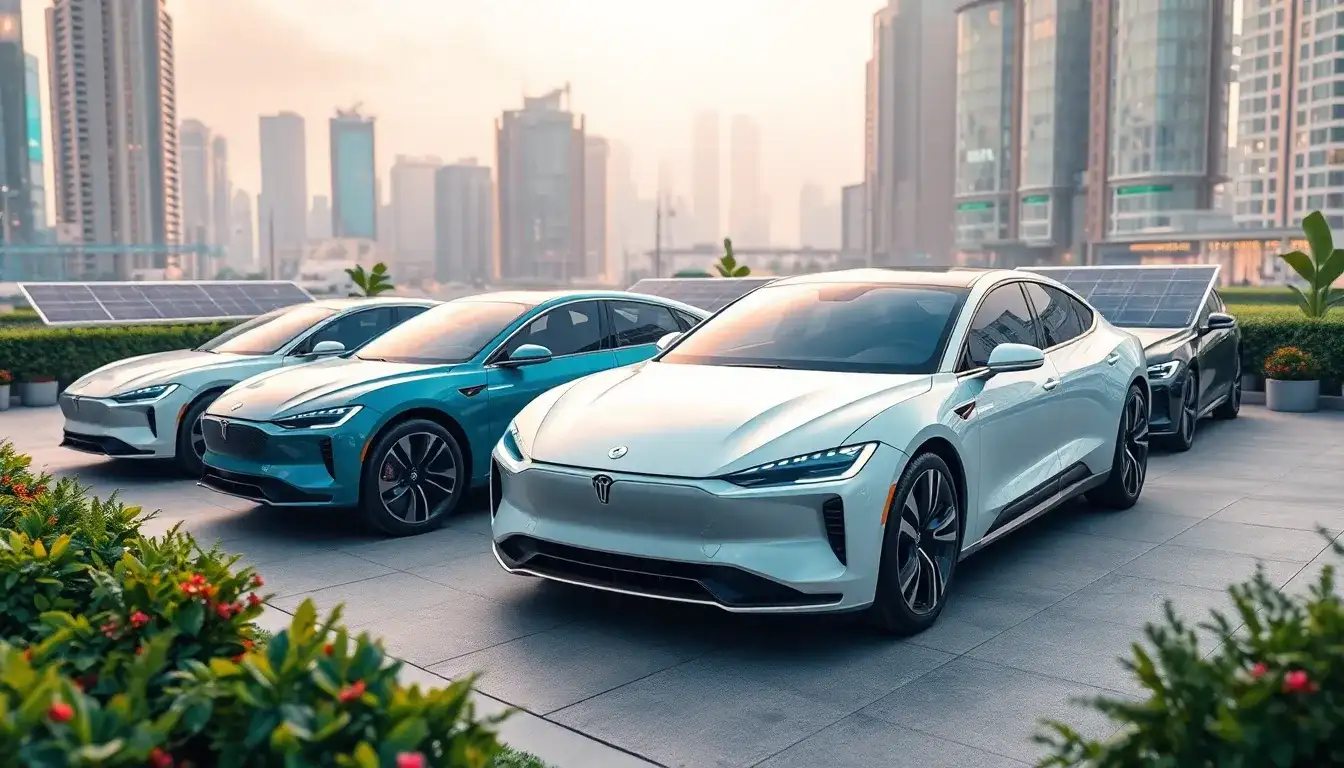
As the world increasingly shifts towards sustainable energy solutions, the demand for electric vehicle (EV) technologies continues to rise. A recent report indicates that in 2025, global sales of electric vehicles are expected to reach approximately 10.4 million units, representing a growth rate of 5% from the previous year.
By 2026, the market is projected to expand further, with sales of electric vehicles expected to hit 17 million units. This growth is attributed to various factors, including advances in battery technology, increased manufacturing capabilities, and supportive government policies promoting clean energy.
Data shows that the total number of electric vehicles on the road is set to surpass 300 million by 2030, highlighting a significant shift towards electric mobility. This transition is not only essential for reducing greenhouse gas emissions but also for improving air quality in urban areas.
Major automotive manufacturers are investing heavily in electric vehicle production and infrastructure. Companies like Tesla, Volkswagen, and BMW are at the forefront of this shift, launching new models and expanding their electric vehicle offerings.
Moreover, the implementation of charging infrastructure is essential for the widespread adoption of electric vehicles. Governments and private sector stakeholders are collaborating to build a robust network of charging stations to support EV users.
In terms of emissions reduction, electric vehicles are expected to contribute significantly to achieving climate goals. The electrification of transport can potentially lower emissions by 20% to 30% by 2030 if properly implemented.
As the global market adapts to these changes, it is crucial to continue promoting innovation in electric vehicle technologies and supporting policies that encourage sustainable transportation solutions.
Original article by NenPower, If reposted, please credit the source: https://nenpower.com/blog/future-of-electric-vehicles-key-insights-from-the-upcoming-10-model-lineup/

