

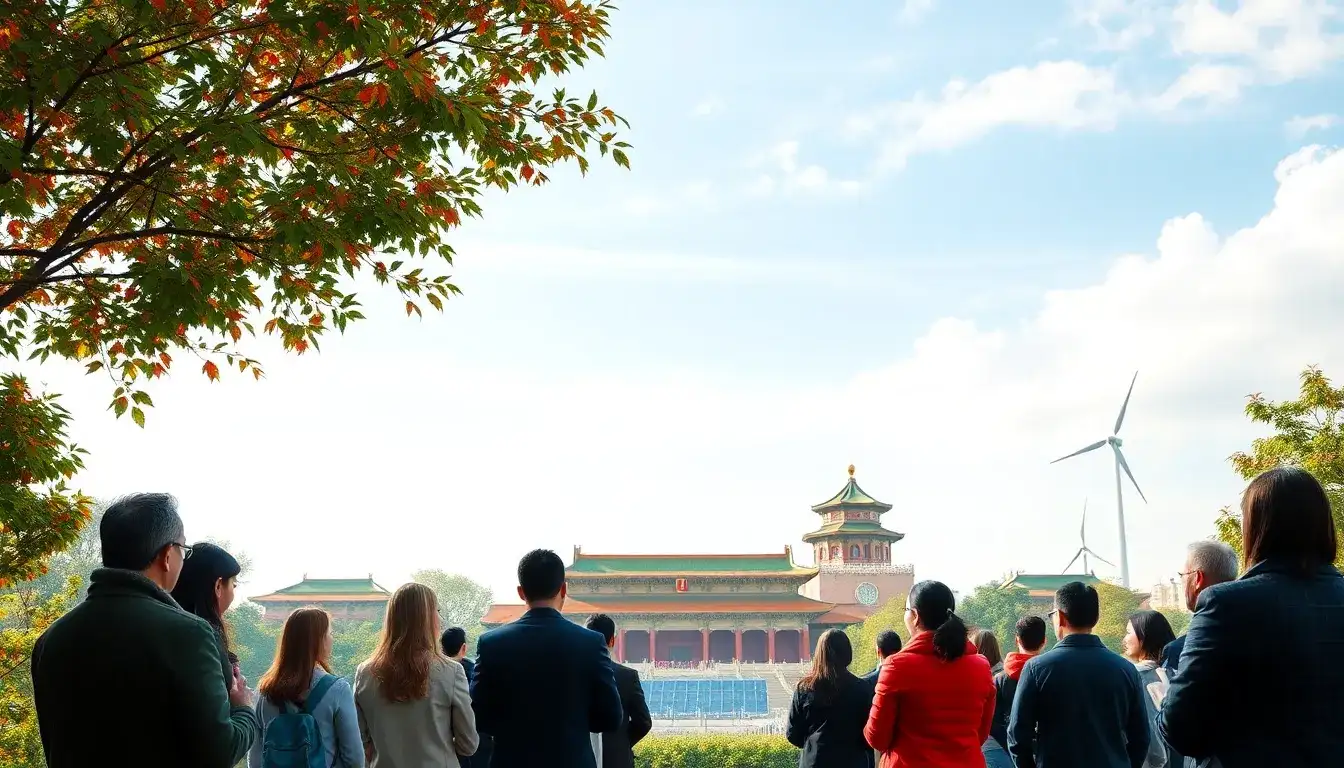
China’s National Assessment Report on Climate Change was discussed during the fifth event organized by the 21st Century Agenda Management Center in Beijing. This conference aimed to promote the transition towards sustainable energy systems under the “carbon neutrality” target.
On May 9, 2025, the 21st Century Agenda Management Center held its fifth conference on climate change in Beijing. The main theme of this event was “Energy Supply and Demand, Carbon Peak and Transition”. The discussions were led by experts from prestigious institutions including Shanghai Jiao Tong University, Chinese Academy of Sciences, and Tsinghua University. They focused on the deep integration of energy resources and the development of innovative pathways to achieve the goals set by the 21st Century Agenda.
The conference aimed to provide academic support for the Assessment Report, which is critical for addressing the challenges of energy supply and demand in relation to the carbon neutrality objectives. The experts emphasized the need for a collaborative approach to strengthen energy management and regulatory frameworks, ensuring effective implementation of carbon reduction measures.
Additionally, discussions highlighted the importance of understanding the current status of carbon emissions in transportation and the need for a systematic analysis of the existing regulatory environment. The conference sought to identify practical solutions to enhance carbon emission control in various sectors, including transport, construction, and industrial processes.
This event also underscored the urgency of accelerating the transition to sustainable energy and addressing the complexities associated with the integration of renewable resources into the energy grid. Experts agreed that a multi-faceted approach involving cross-disciplinary collaboration is essential to tackle these challenges effectively.
Participants of the conference included government officials, academics, and industry representatives who collectively discussed strategies for achieving carbon neutrality. The discussions also focused on the role of technology in advancing energy efficiency and reducing carbon emissions across different sectors.
In conclusion, the conference served as a platform for sharing insights and developing actionable plans towards achieving the carbon neutrality targets set for 2025. The collaborative spirit displayed during the discussions is expected to lead to innovative solutions that can significantly contribute to China’s climate goals.
Original article by NenPower, If reposted, please credit the source: https://nenpower.com/blog/fifth-session-of-the-21st-century-climate-change-assessment-conference-held-in-beijing-advancing-carbon-neutrality-goals/

