

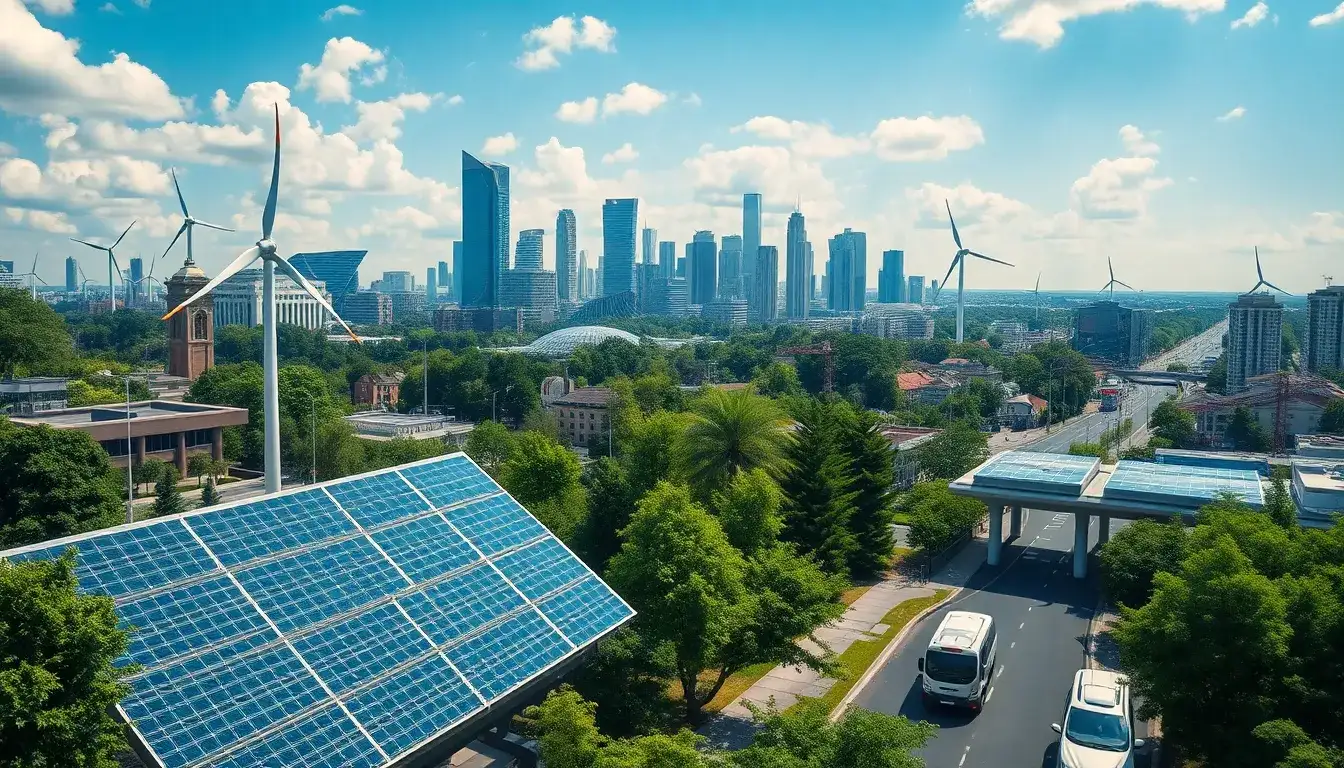
Introduction to Intelligent Transportation Systems (ITS)
Intelligent Transportation Systems (ITS) encompass a range of technologies and strategies designed to improve transportation efficiency and safety. These systems utilize advanced communication, information, and electronic technologies to enhance the management of transportation networks.
Overview
ITS integrates various components including vehicles, infrastructure, and users to facilitate better movement of people and goods. This integration aims to reduce congestion, improve safety, and minimize environmental impacts.
Key Components of ITS
- Traffic Management Systems: These systems monitor and control traffic flow using sensors and cameras to adjust signal timings and manage traffic incidents.
- Vehicle-to-Everything (V2X) Communication: This technology allows vehicles to communicate with each other and with infrastructure to enhance safety and efficiency.
- Advanced Traveler Information Systems: These provide real-time information to travelers about traffic conditions, travel times, and alternate routes.
- Public Transportation Systems: ITS enhances public transit through real-time tracking, smart ticketing, and improved scheduling to increase ridership.
- Smart Parking Solutions: These systems help drivers find available parking spots using real-time data to reduce congestion caused by searching for parking.
Benefits of ITS
The implementation of ITS offers numerous benefits, including:
- Reduced Congestion: By optimizing traffic flow and providing real-time information, ITS helps to alleviate traffic bottlenecks.
- Improved Safety: Enhanced communication between vehicles and infrastructure can lead to a significant reduction in accidents.
- Environmental Benefits: By improving efficiency, ITS can reduce fuel consumption and emissions, contributing to a cleaner environment.
- Cost Savings: Efficient transportation systems can lower costs for both individuals and transportation agencies through reduced travel times and operational costs.
Challenges and Considerations
Despite the advantages, there are challenges in deploying ITS, including:
- High Initial Costs: The investment required for infrastructure and technology can be significant, which may deter some municipalities.
- Data Privacy Concerns: The collection and sharing of travel data raise privacy issues that need to be addressed to gain public trust.
- Interoperability: Ensuring that different systems and technologies work together seamlessly is crucial for the success of ITS.
Conclusion
Intelligent Transportation Systems represent a promising approach to improving transportation efficiency and safety. As technology advances, the integration of ITS will become increasingly vital in developing sustainable and efficient transportation networks.
Original article by NenPower, If reposted, please credit the source: https://nenpower.com/blog/exploring-the-future-of-energy-innovations-and-challenges-ahead/

