

## EV Battery Technology and Supply Chain Management Industry Research 2025-2035: China Leads with Over 70% of Global Production, Europe and North America Play Catch-up
Electric vehicles (EVs) are rapidly moving toward a sustainable future, driven by cutting-edge battery technologies. As EVs are expected to account for 20-30% of global car sales by 2030, advancements in battery density and charging speed are of utmost importance. The market is predominantly led by China, with companies like CATL and BYD at the forefront, while Europe and North America are striving to enhance their domestic production capabilities. Emerging battery technologies such as solid-state and sodium-ion are poised to transform the landscape by 2035.
On June 09, 2025, Research and Markets released the report titled “Edition 2025: EV Battery Technologies and Supply Chain Management, 2025-2035.” This analysis highlights the pivotal role of electric vehicles in creating a greener future, with batteries serving as the core component of this evolution. As demand escalates, the next decade is expected to bring significant shifts in technology, market dynamics, and competition. This report explores the exciting future of EV batteries, detailing the direction of the industry, key players, and how manufacturers can maintain a competitive edge in this high-stakes race.
### The Electric Horizon: Where EVs Are Headed in 10 Years
The EV industry is preparing for a substantial transformation over the next 5 to 10 years. Sales are anticipated to soar, with electric vehicles potentially capturing 20-30% of global new car sales by 2030, a significant increase from just 4% in 2020. This surge is contingent on decreasing battery costs, expanding charging networks, and government initiatives aimed at reducing fossil-fuel vehicles. Battery energy density could potentially double, extending ranges beyond 500 miles, while ultra-fast charging will minimize wait times to just a few minutes. Many European countries are targeting 2035 to eliminate internal combustion engines, further accelerating EV adoption. By 2030, one in three new cars could be electric, driven by the availability of more affordable batteries and a global shift away from gasoline-powered vehicles.
### Battery Breakthroughs: Powering Tomorrow’s Drives
Currently, lithium-ion batteries dominate the market, with Nickel-Manganese-Cobalt (NMC) providing long ranges and Lithium Iron Phosphate (LFP) reducing costs while enhancing safety.
– **Lithium-Ion Variants:** NMC batteries, which utilize lithium nickel manganese cobalt oxides, are known for their high energy density. In contrast, LFP batteries, which held a 41% global market share by capacity in 2023, are more affordable and safer, leading to their widespread adoption despite their lower energy density.
– **Emerging Technologies:** Sodium-ion batteries, expected to begin mass production by companies like BYD and CATL in 2023, could be 20% cheaper, making them ideal for urban electric vehicles and stationary storage solutions. Solid-state batteries, developed by Toyota and QuantumScape, promise enhanced energy density and safety but are not yet commercially available. Innovations such as dual-ion batteries (DIB) and bipolar LFP batteries are also emerging, offering rapid charging and higher voltage, although cycle life remains an issue. While solid-state batteries could potentially extend EV ranges beyond 600 miles, their high costs suggest that lithium-ion technology will continue to dominate for at least another decade.
### The Global Battery Battle: Who’s Winning?
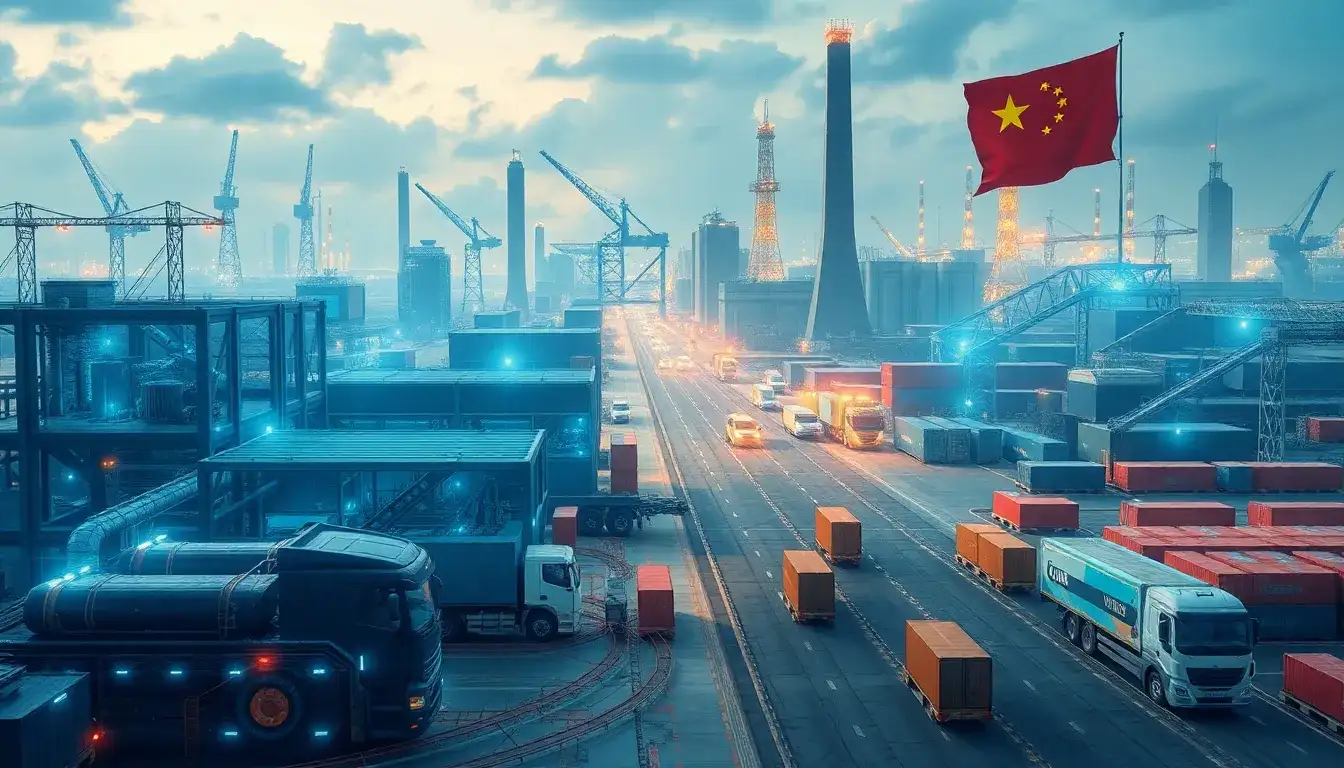
The EV battery market is a complex geopolitical landscape. China currently commands over 70% of global production, with industry leaders like CATL and BYD leveraging their economies of scale and government support. Japan and South Korea follow, with companies such as Panasonic and LG Chem supplying major brands like Tesla and Hyundai. Europe is striving to catch up, investing heavily in the European Battery Alliance to establish its own supply chain. North America, spearheaded by Tesla’s Nevada Gigafactory, is ramping up domestic production to reduce reliance on Asian manufacturers.
### What’s Next for EV Batteries?
The EV battery market is poised for extraordinary growth, with demand surging as electrification becomes more prevalent. While Asia leads the market today, Europe and North America are narrowing the gap through strategic investments and innovations. Price volatility and competition present challenges, but numerous opportunities exist for those willing to innovate and adapt. For tier-1 suppliers and battery manufacturers, the way forward is clear: prioritize technology investments, secure supply chains, and embrace sustainability to support the electric vehicles of tomorrow.
### Regional Highlights
– **China:** Dominated the market with over 51% share in 2022, attributed to lower production costs and firms like CATL (37.9% global share in 2024) and BYD (17.2%). LFP batteries, which are cheaper to produce, are predominant, with two-thirds of EV sales utilizing this chemistry in 2023.
– **North America:** Showing growth, with the US attracting $210 billion in investments since 2021, led by Tesla and collaborations like Ford with SK On. However, production costs are 20% higher than in China.
– **Europe:** Faces higher production costs (50% more than China) and supply chain vulnerabilities, evidenced by Northvolt’s bankruptcy. Plans to enhance local capacity include numerous gigafactory projects, targeting 35-40 by 2030.
– **Asia Pacific:** Emerging markets, particularly India and South Korea, are expanding, with India reporting 70% year-on-year EV registration growth in 2023, bolstered by initiatives like FAME II.
This comprehensive study examines the strategic implications and actionable insights regarding EV battery technology for automotive players, including trends in battery technology, supply chain risks, and future outlooks, alongside raw material price fluctuations and market dynamics.
### Key Questions Addressed
– What shifts in battery technology (solid-state, sodium-ion) will disrupt the market by 2035, and how should companies prepare?
– Which regulatory changes (EU Battery Regulation, IRA sourcing rules) will influence market access and profitability?
– Where should manufacturers source critical materials to reduce dependency on China while maintaining cost-effectiveness?
– How can tier-1 suppliers remain relevant as OEMs like Tesla move toward vertical integration of battery production?
– What R&D investments (solid-state, silicon anodes) will provide the best return for battery component suppliers?
– Which emerging markets (India’s PLI scheme, Poland’s recycling hub) offer the most promising growth opportunities?
– How can tier-2 suppliers safeguard their margins against fluctuations in lithium and cobalt prices?
– Which alternative chemistries (sodium-ion, LFP) will transform raw material demand in the next 5-10 years?
– How will innovations in recycling (second-life batteries, 30% cost reductions) reshape the supply chain?
– What strategic timelines (short/mid/long-term) should various players follow to maintain competitiveness?
### Key Topics Covered
– Research Scope
– Research Methodology
– Battery Technology Trends and Dynamics
– Raw Material Shortages and Recycling
– China’s Market Dominance and Potential New Tariffs
– Gigafactory Construction Trends
– AI-Driven Battery Management Systems
– Battery Swapping Networks
– Battery as a Service (BaaS) Model
– Market Outlook and Forecast
For further details about this report, please visit [ResearchAndMarkets.com](https://www.researchandmarkets.com/r/cdlfq).
Original article by NenPower, If reposted, please credit the source: https://nenpower.com/blog/ev-battery-technology-and-supply-chain-dynamics-chinas-market-dominance-and-future-innovations-through-2035/

