Trends in the Insulation Coating Robot Industry by 2025: Technological Iteration and Market Landscape
Looking back at the insulation coating robot industry as we approach 2025, it has successfully transitioned from “concept verification” to “mass application.” As we look to the future, three major trends are reshaping the industry landscape.
Trend 1: Technological Advancement Towards “Intelligence + Clustering”
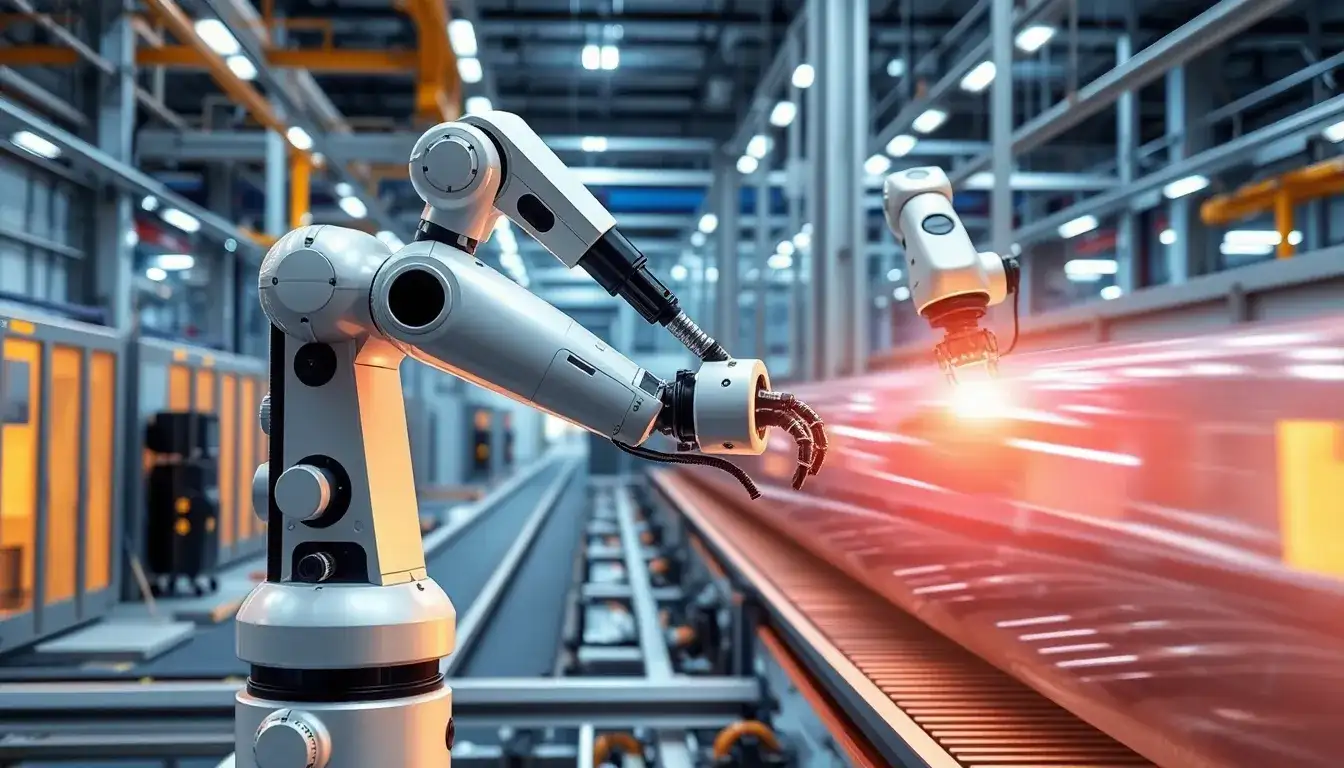
The new generation of robots is deeply integrating artificial intelligence technology, enabling them to possess autonomous learning and decision-making capabilities. Equipped with dual-spectrum detection systems (visible light + thermal imaging), these robots can identify 32 types of hazards in real-time, such as wire oxidation and cracks. In a pilot project in the Xiamen power grid, a “swarm robot” initiative involved 7 robots working collaboratively, covering the entire substation’s insulation coating process 24 hours a day.
Trend 2: Comprehensive Cost Analysis of Insulation Coating Robot Operations
Purchasing a live insulation coating robot can easily cost over a million yuan. Is this investment worthwhile? To answer this question, a detailed cost assessment is necessary. Taking the insulation renovation of a 10kV distribution network line as an example, the operation cost per kilometer comprises three main parts: material costs, labor, and equipment depreciation. Material costs represent the largest variable expense, primarily including insulation coatings and cleaning solvents. For instance, modified silicone rubber coatings are priced around 200-300 yuan per kilogram, with each robot utilizing approximately 40-50 kilograms of materials per kilometer. Including cleaning solvent loss, the total material cost per kilometer is around 12,000 to 15,000 yuan, benefiting from a material utilization rate of up to 92% due to the robot’s efficiency.
Trend 3: The Journey from Skepticism to Acceptance of Insulation Coating Robots
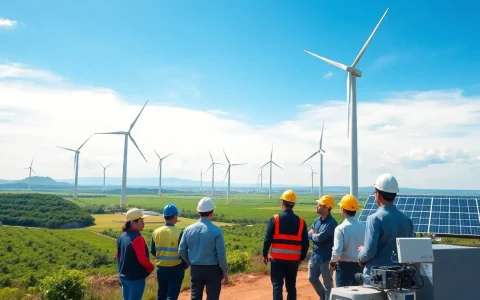
Old Zhang, 54, has 32 years of experience in live operations. His scars from burns and shoulder injuries are his “medals.” When he first heard about the live insulation coating robot three years ago, he scoffed, “Can a machine be as flexible as a person? Can it even tell where the corrosion is severe or where it needs more spray?” In 2023, his team introduced their first robot. Initially resistant to training, he thought it was just a gimmick. However, a critical task changed his perspective. During the flood season, a 10kV line crossing a fish pond urgently needed insulation treatment, but stopping the power would risk the fish stock. The robot effectively resolved this dilemma.
Real-World Application: 24-Hour Continuous Operation of Insulation Coating Robots in Industrial Parks
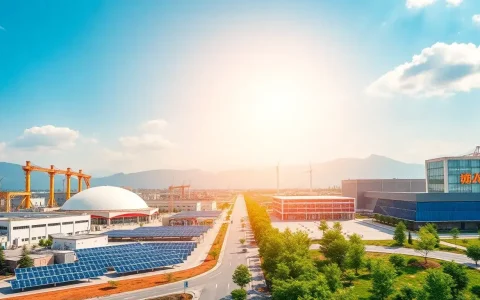
Industrial parks have extremely strict requirements for power supply reliability—just a minute of downtime can result in production line failures, data loss, and equipment damage. So how do you carry out line insulation renovation in such a “no downtime” zone? The insulation coating robot’s 24-hour continuous operation in a Zhejiang industrial park provided a perfect answer. The project required full insulation treatment for 8 kilometers of 10kV overhead lines, servicing over 30 key enterprises in precision manufacturing, chip packaging, and cold chain logistics, where any power outage is unacceptable. The project team decided to utilize two robots working in shifts, taking advantage of the low load period in the early morning to complete the insulation process seamlessly.
Conclusion
In summary, the insulation coating robot industry is experiencing rapid technological advancements and market growth. From the integration of AI to the evaluation of operational costs and practical applications, these developments are setting the stage for a more efficient and safer power supply landscape.
Original article by NenPower, If reposted, please credit the source: https://nenpower.com/blog/emerging-trends-in-the-electric-insulation-coating-robot-industry-a-2025-outlook/