

Jingji Rihua: A New Energy Landscape for Household Energy Costs – China Energy News Network
The National Energy Administration has reported on the new energy landscape for household energy costs. A recent study indicates significant shifts in household energy consumption patterns, particularly towards renewable energy sources.
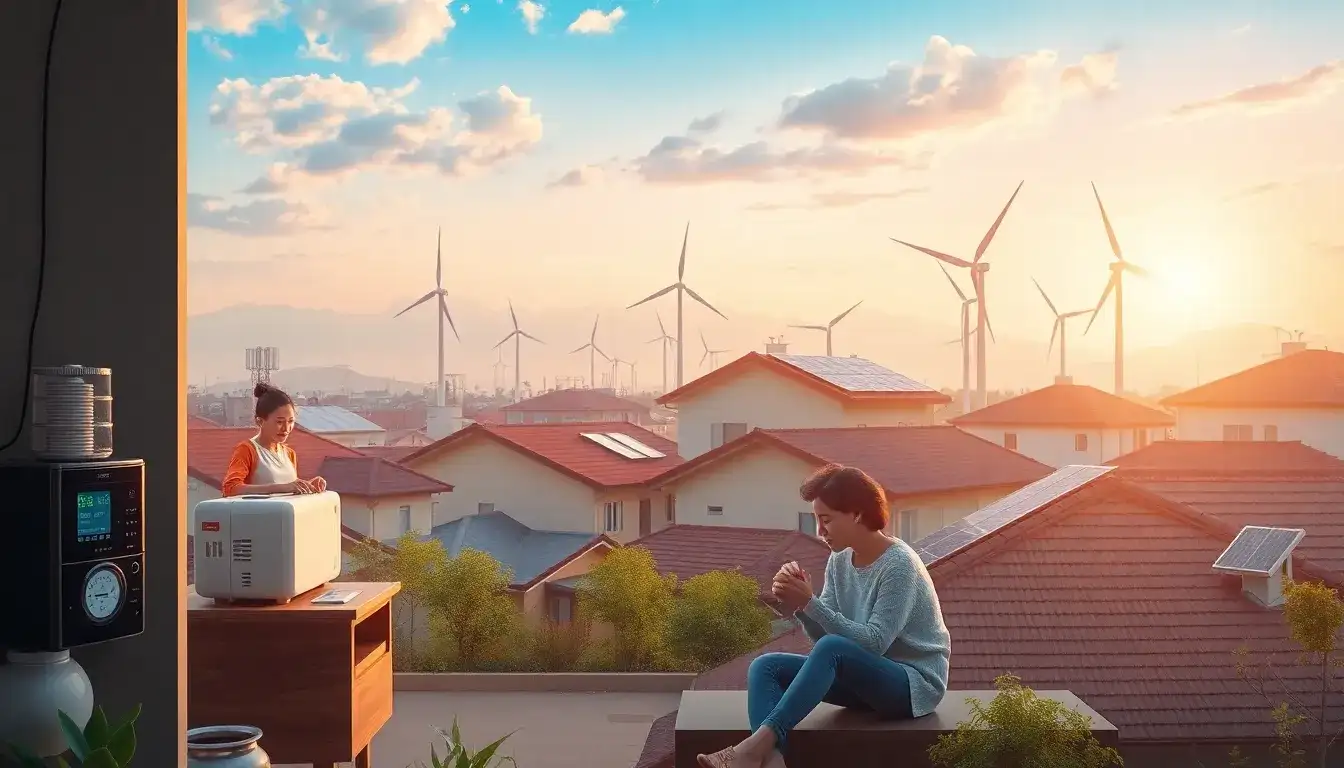
On April 27, the Yangtze New Energy Alliance and the Little Red Book collaborated to design a green lifestyle initiative in Shanghai. This initiative aims to promote new household energy products and introduces the “Carbon Neutrality Lifestyle Map,” which provides technology pathways and scenic routes for households transitioning to renewable energy.
The report suggests that over the past year, users of the Little Red Book have increasingly adopted green energy solutions, such as solar energy, in response to the growing urgency for carbon reduction. Key stakeholders are focusing on how to integrate household energy demands with renewable energy solutions, emphasizing “intelligent energy management,” “human-centric design,” and “sustainable health” within the energy consumption framework.
The report, based on data from the Little Red Book, indicates that around 37% of users are actively engaging with household energy solutions, including smart appliances and energy-efficient systems. The survey reveals that contemporary users are prioritizing energy independence, intelligent management, and safety measures within their energy consumption practices.
Yangzhen New Energy has a responsibility to deliver quality products, particularly in building-integrated photovoltaics (BIPV). The alliance aims to push forward with building designs featuring integrated solar solutions, which are suitable for various roof types, including pitched and flat designs. The focus is also on optimizing energy efficiency through advanced computational methods to enhance electricity generation.
The alliance’s approach combines artificial intelligence with user feedback to optimize energy consumption strategies, potentially reducing household energy costs by 8%. In terms of safety, a multi-layered security system is being implemented to ensure that energy supply remains stable during emergencies, thereby enhancing system resilience.
Design experts emphasize that products combining beauty with energy value will become the new standard. The Chinese construction industry will increasingly adopt green technologies, thereby enhancing energy efficiency in residential areas. This collaboration aims to deepen the integration of new energy solutions with household lifestyles, underscoring the need for a sophisticated and user-friendly energy ecosystem.
Looking ahead, experts from the Little Red Book project predict that consumers will increasingly seek comfortable, aesthetic, and sustainable living environments. They anticipate that the integration of renewable energy into daily life will lead to substantial advancements in energy self-sufficiency, reduced energy bills, and enhanced safety measures through intelligent energy management systems.
For more information on household energy solutions and sustainable practices, visit the China Energy News Network.
Original article by NenPower, If reposted, please credit the source: https://nenpower.com/blog/emerging-trends-in-household-energy-consumption-and-costs-in-chinas-energy-sector/

