

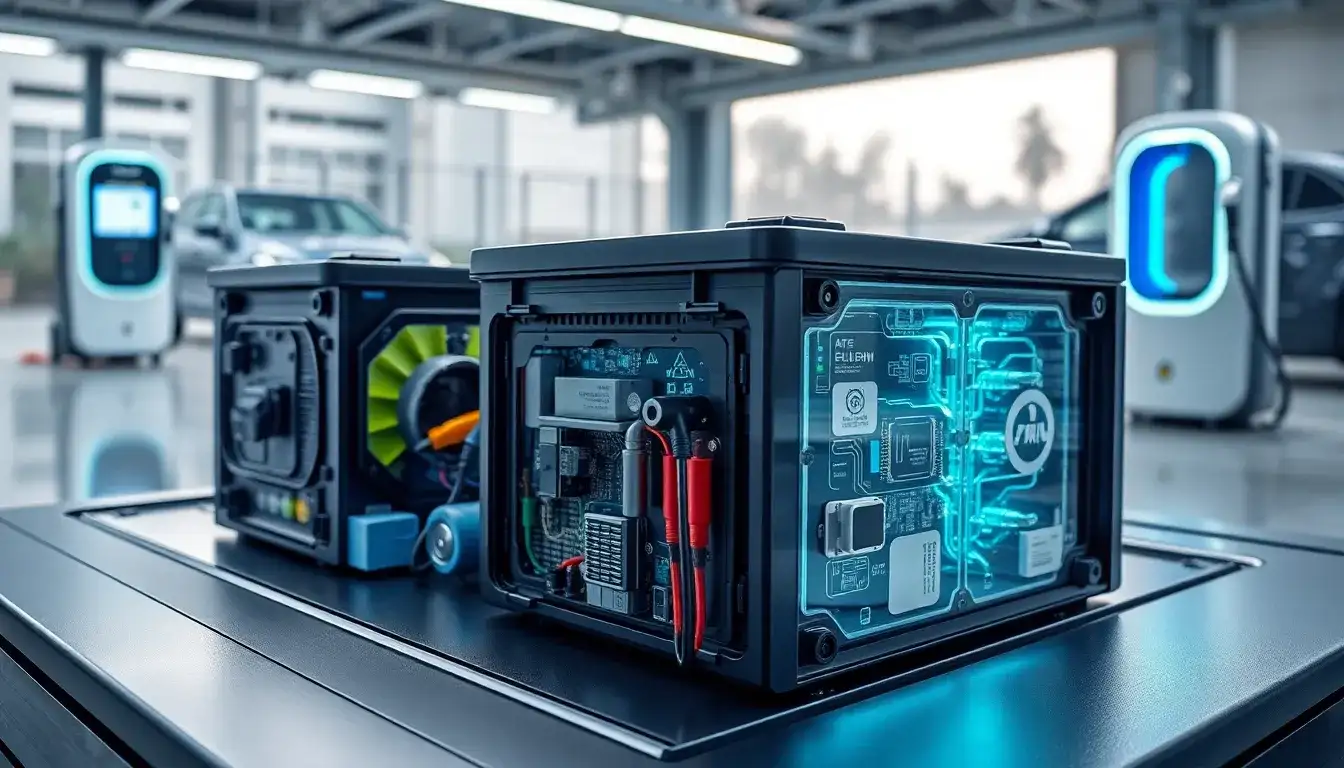
Electric Vehicles: Changes Ahead as Navigation and Charging Stations Push for Depth in Usage for Passenger Cars and Commercial Vehicles.
In the ever-evolving realm of new energy and intelligent connectivity technologies, a recent report has highlighted a fascinating trend: a significant number of users of electric vehicles (EVs) are increasingly relying on their vehicles for daily commuting. This shift comes as a small-sized electric vehicle brand announces the launch of an all-electric sedan, the 400 km range vehicle, set to debut soon. This aligns with other reports indicating a steady rise in the popularity of EVs, especially as more consumers seek alternatives to traditional gasoline-powered cars.
The development trajectory of electric vehicles has been impressive since the introduction of the first-generation small battery EVs and their evolution to the current models boasting larger batteries and more powerful motors. This progress indicates that electric vehicles are gradually becoming mainstream, as technology continues to improve and production rates increase.
In the commercial sector, the advent of advanced electric vehicle technology is pushing manufacturers to innovate. The Deep Blue L07, a pure electric sedan, boasts a range of 300 km, while Smart’s R7 electric version is nearing the same distance. These new models are set to challenge the existing standards in the EV market.
As electric vehicles become more prevalent, the industry faces the challenge of keeping production costs manageable while also maintaining competitive pricing. The 3.0 model electric vehicles are anticipated to have a notable impact on market dynamics, particularly in terms of battery capacity and performance efficiency.
In the realm of electric vehicle technology, the focus is shifting towards enhancing battery energy density and efficiency. This has been a critical area of development as manufacturers strive to create vehicles that not only perform well but also offer greater range and faster charging times.
Experts predict that as electric vehicle technology continues to evolve, consumers will see more options available in the market, including the potential introduction of 4.0 models that promise even greater efficiency and range. This ongoing evolution is expected to shape the future of the electric vehicle landscape significantly.
Overall, the electric vehicle market is poised for substantial growth, with advancements in battery technology and innovations in vehicle design leading the way. As the industry moves forward, it will be essential to address the challenges of cost and charging infrastructure to ensure that electric vehicles can meet consumer expectations and remain competitive.
Original article by NenPower, If reposted, please credit the source: https://nenpower.com/blog/emerging-trends-in-electric-vehicle-technology-the-rise-of-advanced-battery-systems-and-smart-solutions/

