

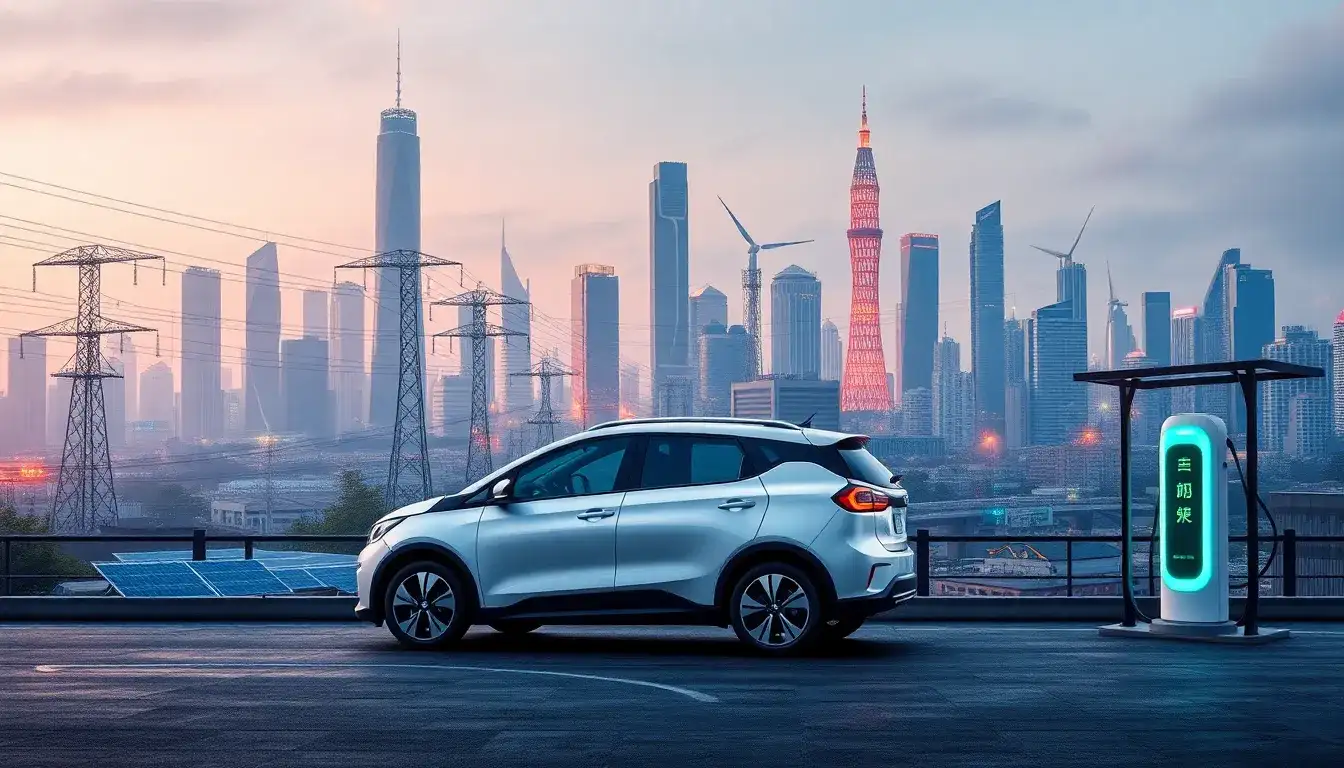
As the new energy vehicle (NEV) industry continues to grow, experts predict that challenges related to charging infrastructure could hinder its advancement. On May 16, 2025, a report highlighted the ongoing rapid development of China’s NEV sector, emphasizing the pressing need for an efficient and comprehensive charging network to support the increasing demand for electric vehicles.
Currently, China’s electric vehicle (EV) market is experiencing significant growth, with the total number of electric cars on the road surpassing 800,000 in the US and 600,000 in Europe. In contrast, China has an estimated 200,000 electric vehicles already in use, indicating a massive potential market for growth. The country’s automobile market remains vast, and manufacturers are still exploring opportunities for expansion. The construction of charging infrastructure is critical to meeting the current ramp-up demands in the NEV industry.
During a recent conference on electric vehicles, the need for robust charging solutions was underscored. The current electric supply capacity is estimated to reach 137.49 million kilowatts by March 2025, representing a 47.6% increase. Among this, approximately 39 million kilowatts are allocated to charging infrastructure, while 98.49 million kilowatts are dedicated to supporting electric vehicle consumption.
However, there are still unresolved concerns regarding user subsidies for pure electric vehicles. Experts express that the charging infrastructure must evolve beyond mere numbers; it needs to encompass quality service and technology improvements to enhance user experience and ensure long-term sustainability. The focus should shift towards integrating strategies that reinforce the stability of the electric grid while expanding charging capabilities.
Furthermore, in light of the rapid pace of electric vehicle technology, there is a push for the establishment of a comprehensive charging network that can accommodate both commercial and private electric vehicles. By 2025, the aim is to have a more streamlined charging process that can support the projected increase in electric vehicle usage.
Currently, the efficiency of charging stations remains a critical concern as the demand for electric vehicle charging continues to grow. With the possibility of varying energy resource utilization, the construction of charging stations is set to become a priority, particularly in urban areas where the concentration of electric vehicles is higher.
As the industry progresses, the construction of charging infrastructure must be adequately planned and executed to meet the needs of electric vehicle users. The government aims to ensure that the infrastructure is robust enough to support the anticipated growth in electric vehicle adoption. The focus will also include strategies to ensure that environmental impacts are minimized while enhancing the overall efficiency of the electric supply system.
For more details on the developments in the new energy vehicle sector, you can refer to the New Energy Finance website or follow updates on their dedicated platforms.
Original article by NenPower, If reposted, please credit the source: https://nenpower.com/blog/emerging-challenges-for-chinas-new-energy-vehicle-industry-and-the-future-of-electric-grid-integration/

