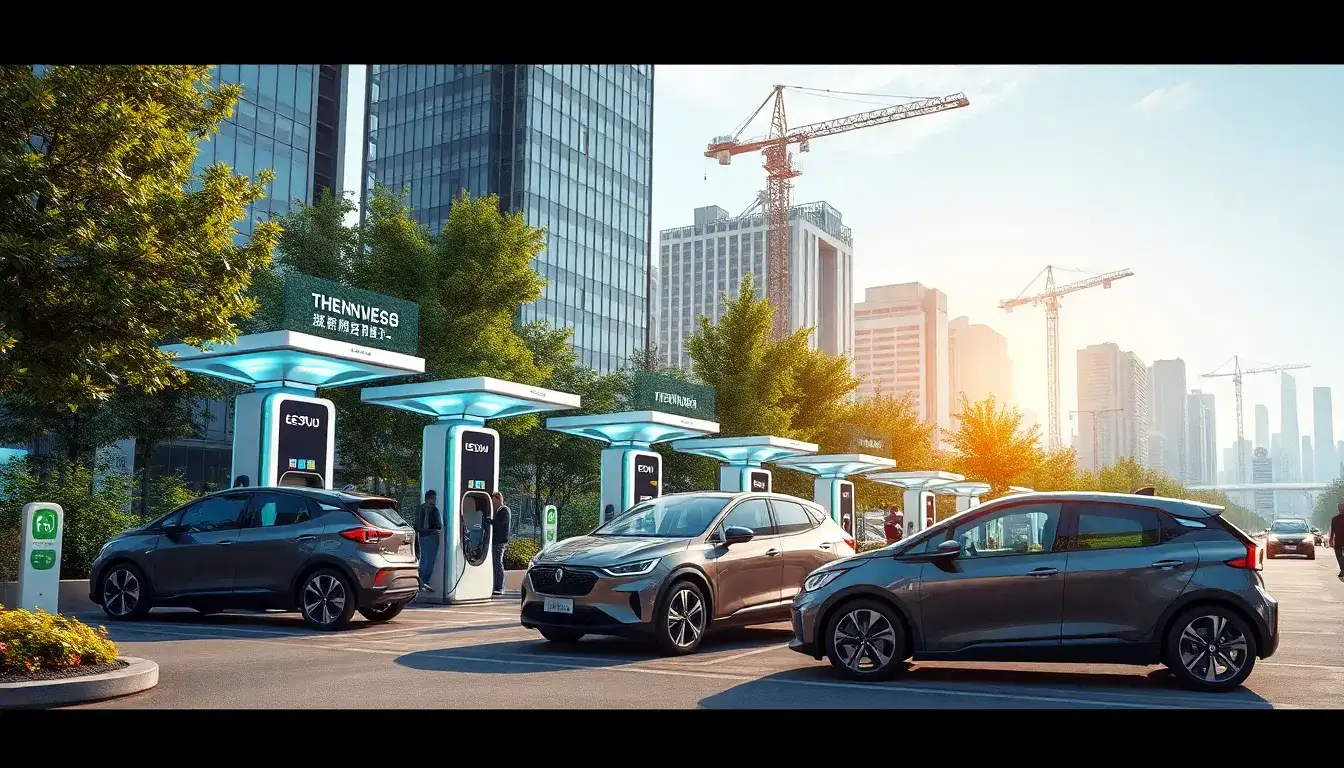
Electric Vehicles are making significant strides in the automotive industry, with a notable increase in their charging capabilities. Recently, the number of electric vehicle charging stations has seen a remarkable rise, particularly in urban areas. As of April 11, 2025, the city of Chengdu has introduced its first electric vehicle charging station, designated “Electric Power Station,” which has raised numerous questions regarding its efficiency and accessibility.
The first charging station in Chengdu is set to support up to 10,000 electric vehicles, featuring advanced charging technology that ensures rapid charging times. Users can expect a charging period of approximately 5.2 hours for full battery capacity. This initiative is part of a broader strategy to enhance the electric vehicle infrastructure throughout the city and beyond, as part of the Vehicle-to-Grid (V2G) technology implementation.
The deployment of the new station is not just about convenience; it also addresses the growing demand for electric vehicle charging as the number of electric cars on the roads continues to rise. By 2040, it is estimated that there will be around 3 billion electric vehicles globally, driven by advancements in charging technologies and increased consumer acceptance of electric mobility.
In Chengdu, the municipal government is actively working to streamline the integration of electric vehicles into the existing grid. This involves collaborations between energy providers and automotive manufacturers to maximize charging efficiency and to ensure that the electric vehicles can supply energy back to the grid when needed.
Moreover, the implementation of V2G technology allows electric vehicles to act as mobile energy storage units, providing power back to the grid during peak demand times. This not only helps stabilize the grid but also offers vehicle owners potential earnings by selling excess power back to the energy companies.
As electric vehicle penetration increases, the city aims to ensure that every electric vehicle can be charged effectively, with plans to expand the network of charging stations to keep up with demand. The government also encourages private investments in charging infrastructure to diversify the energy supply options and foster a robust electric vehicle ecosystem.
In conclusion, the advancements in electric vehicle charging infrastructure in Chengdu mark a significant step towards sustainable transportation. The city’s commitment to enhancing its electric vehicle capabilities through innovative charging solutions is paving the way for a greener future.
Original article by NenPower, If reposted, please credit the source: https://nenpower.com/blog/electric-vehicles-set-to-charge-ahead-with-10-billion-yuan-investment-in-charging-infrastructure-in-chengdu/