

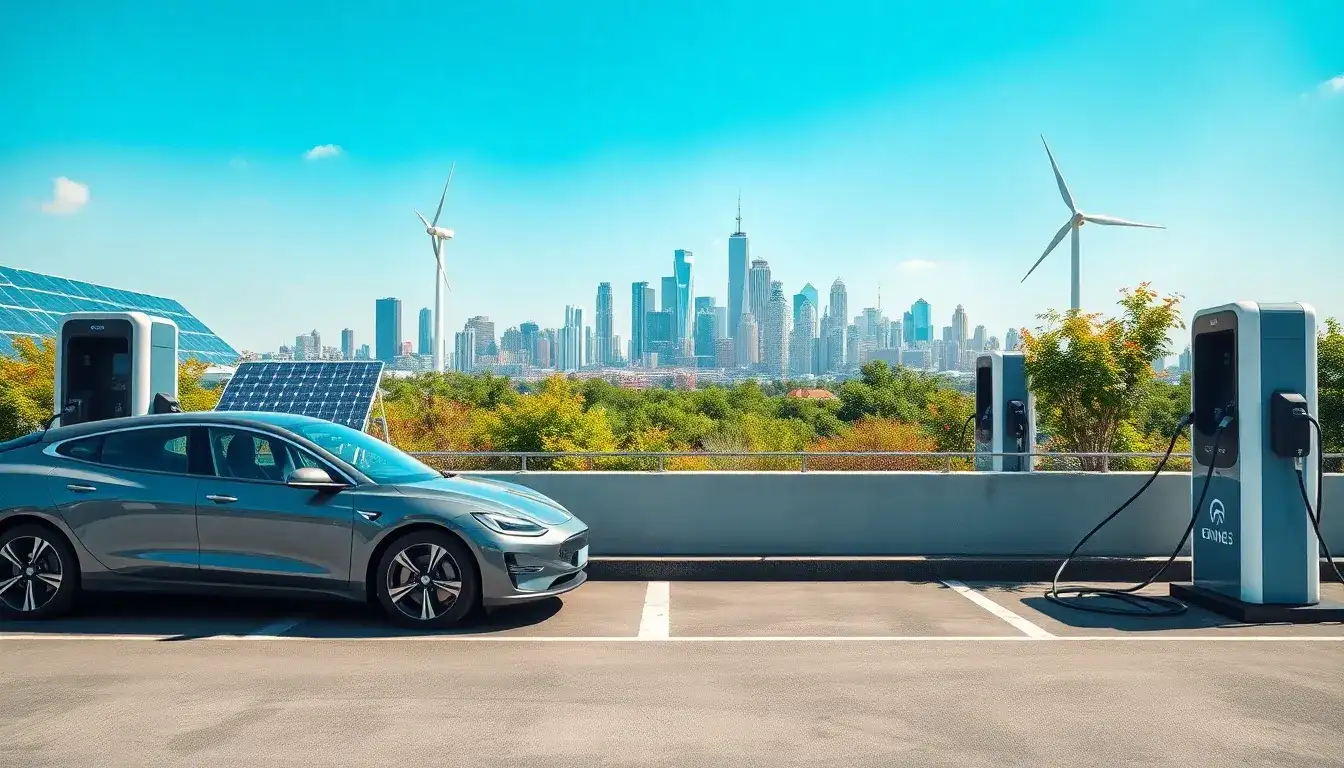
Electric Vehicles and Charging Infrastructure: The need for “coordinated operations” in the rapid advancement of electric vehicle (EV) charging infrastructure has become increasingly evident.
The report highlights the rising demand for charging stations in urban areas, particularly for electric passenger vehicles and their commercial counterparts. With the growth of new energy vehicles, the market for charging services is also expanding.
According to data released on April 25, 2025, by China Automotive News, the electric vehicle sector has seen significant advancements. The latest trends show that the electric vehicle market is experiencing rapid growth, with battery-powered cars becoming more mainstream.
As of now, the demand for charging stations is unprecedented, with the goal set to establish 1,000 charging stations by 2025, translating to a target of 3,000 to 4,000 stations ultimately. The latest reports indicate that the current charging infrastructure is insufficient to meet the rapidly growing demand.
In 2024, the next generation of “smart charging” solutions is set to be launched, aiming to streamline EV charging processes. The plan includes building 1,000 charging stations, with preliminary goals of achieving 1,000 stations by 2025. This initiative is critical for meeting the increasing energy needs of electric vehicles.
Moreover, the electric vehicle market is transitioning to a more diversified service model, integrating charging services with energy management systems. This transition is expected to enhance the efficiency and reliability of charging stations, allowing them to adapt to varying consumer needs.
As the market evolves, two main charging methods are emerging: fast charging and ultra-fast charging. These advancements are crucial to ensuring that electric vehicles can compete effectively with traditional fuel vehicles.
In regions where infrastructure is still underdeveloped, the government and private sectors are collaborating to improve charging service availability. This includes establishing more charging stations and enhancing existing facilities to cater to the growing number of electric vehicles.
By 2030, it’s anticipated that the charging infrastructure will include a mix of both conventional and ultra-fast charging stations, with a focus on providing sufficient power to meet the needs of both personal and commercial electric vehicles.
The report concludes that the future of electric vehicle charging will rely heavily on innovative solutions, with a strong emphasis on collaboration between stakeholders in the energy and automotive industries. This collaboration is essential for creating a robust and efficient electric vehicle ecosystem that meets the demands of today’s consumers.
Original article by NenPower, If reposted, please credit the source: https://nenpower.com/blog/electric-vehicles-and-charging-infrastructure-accelerating-the-integration-of-power-and-energy-solutions/

