

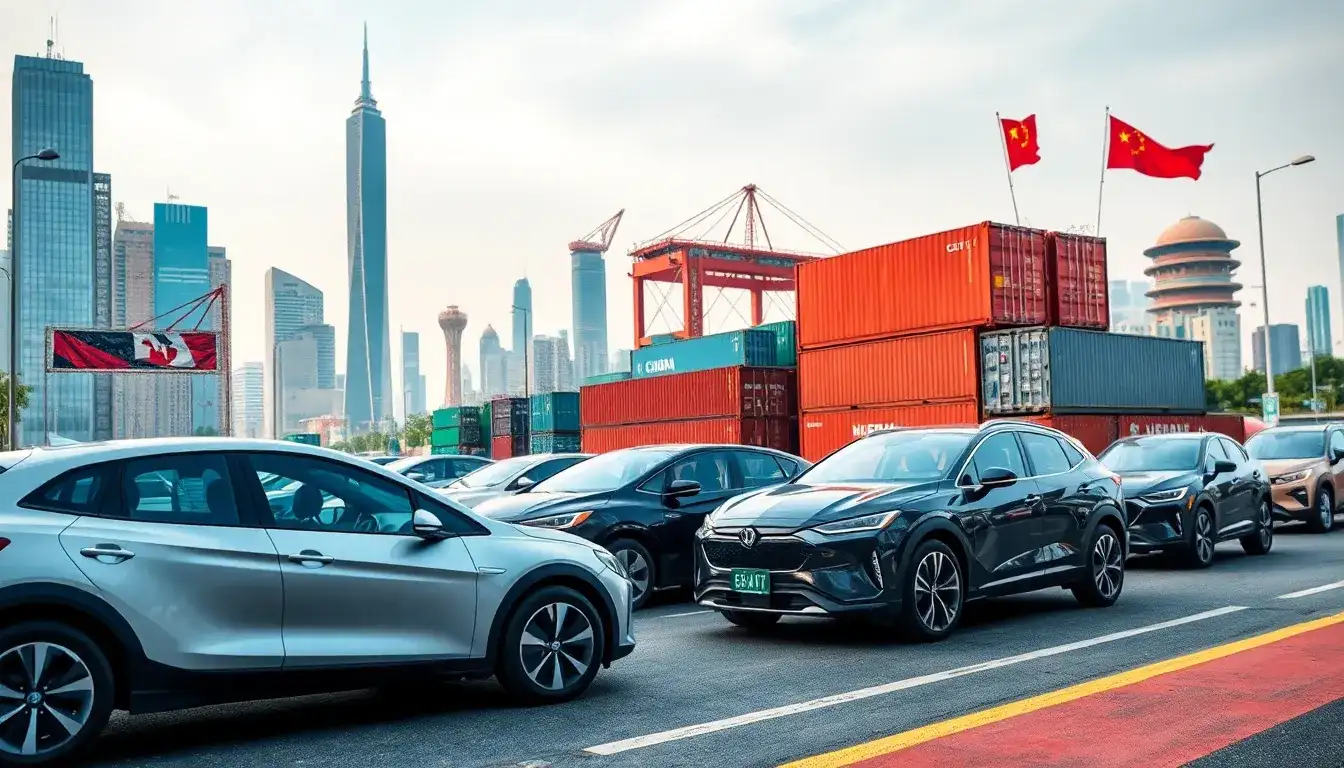
The electric vehicle market is currently navigating through both challenges and opportunities, with a focus on the development of new energy vehicles and their components. A report released by the China Automotive News indicates significant growth in the electric vehicle sector, projecting that by April 15, 2025, the total number of electric vehicle charging facilities in China will reach 128.18 million, a substantial increase from 16.8 million five years ago.
As of 2024, the number of new energy vehicles (NEVs) is expected to exceed 31.4 million, reflecting a growth rate that highlights the accelerating pace of adoption. The demand for various types of electric vehicles, including passenger cars and commercial vehicles, is driving advancements in technologies and infrastructure. The report notes that 5.68 million households have already integrated electric vehicle charging systems, and the annual growth rate of installations is becoming increasingly rapid.
According to projections, by 2024, China will have 12,818 public charging stations, with a ratio of 2.45 vehicles per charging point. However, there remains a significant gap in the supply-demand dynamic for charging infrastructure, particularly in rural areas where access is limited.
In an effort to address these challenges, the government has set ambitious targets for the expansion of electric vehicle charging networks. By 2025, it aims to establish 230,000 charging stations, including 90,000 in rural areas, to support the increasing number of electric vehicles on the road. Additionally, there are plans to enhance the quality of service and the speed of charging to meet consumer demands.
The report emphasizes the importance of collaboration among different stakeholders to ensure the effective implementation of these initiatives. As electric vehicles become more mainstream, the integration of charging infrastructure into urban planning and transportation networks will be crucial. By 2025, the electric vehicle market in China is projected to expand significantly, with an expected total of 1.6 million new energy vehicles sold, accounting for 50% of the market.
Looking ahead, the challenge will be to maintain a balance between supply and demand while fostering innovations that enhance the efficiency and reliability of electric vehicle systems. As the market matures, the focus will also shift towards the sustainability of energy sources used for charging and the overall environmental impact of electric vehicles.
The evolution of the electric vehicle market in China is not only about numbers but also about creating a robust ecosystem that can support long-term growth and sustainability. As we approach 2030, the goal is for new energy vehicles to achieve a 1:1 ratio with traditional fuel vehicles, reflecting a significant shift in consumer behavior and industry practices.
Original article by NenPower, If reposted, please credit the source: https://nenpower.com/blog/electric-vehicle-market-faces-challenges-amidst-policy-changes-and-supply-chain-constraints-in-china/

