

The “Vehicle-to-Grid” (V2G) concept is gaining traction in China’s new energy landscape. As of April 24, 2025, significant advancements have been made in integrating electric vehicles (EVs) into the power grid, particularly through the establishment of smart charging stations.
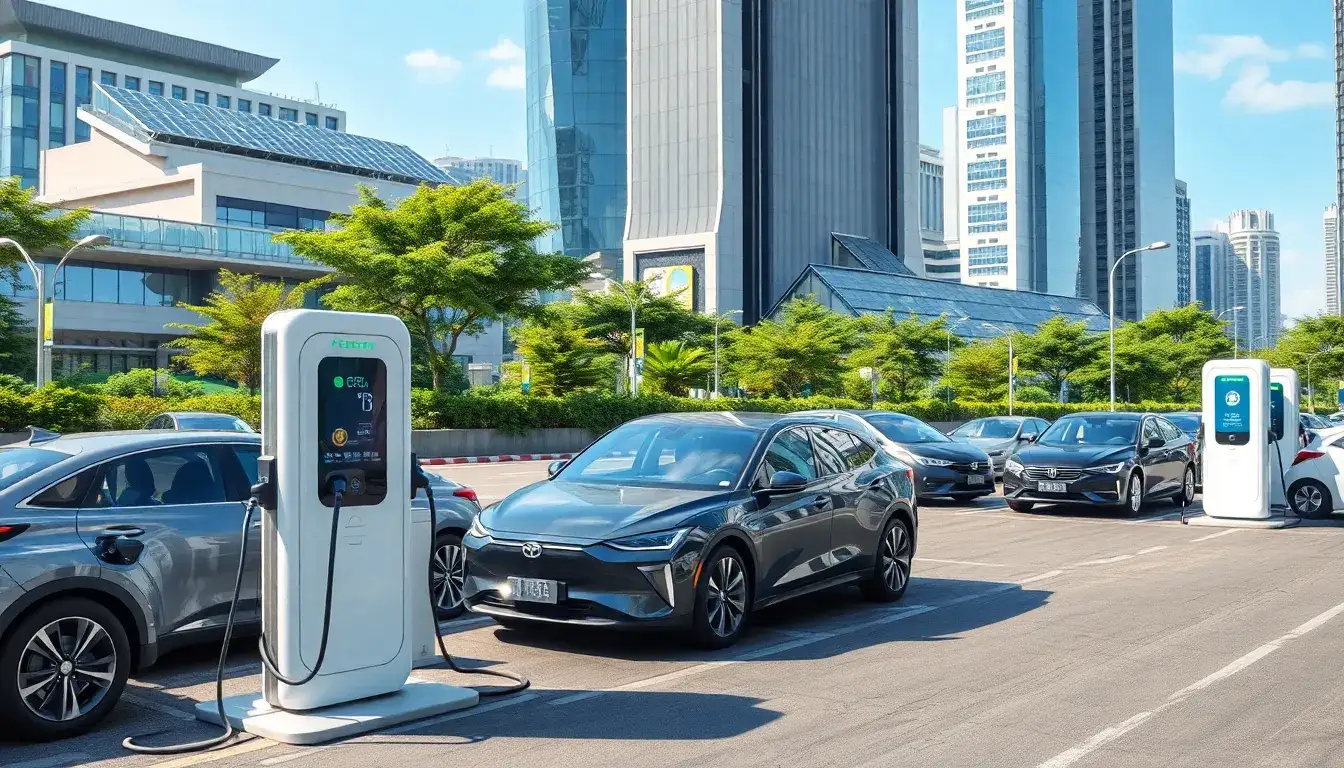
Recently, a smart charging station was inaugurated in the Nanjing region, featuring 64 charging spots for electric vehicles. This station is equipped with a V2G system that allows for bi-directional power flow, enabling electric vehicles to not only receive energy but also supply it back to the grid during peak demand periods.
In the Jiangsu province, the local government is actively promoting the development of V2G infrastructure. The newly established charging stations are designed to facilitate seamless interactions between electric vehicles and the power grid, supporting the broader goal of enhancing energy efficiency and sustainability.
China is set to expand its electric vehicle network significantly by 2024, with a target to have over 31.4 million electric vehicles on the road. The country aims to achieve a cumulative installed capacity of 128.18 million kilowatts for electric charging stations, with more than 1 million electric vehicles already in operation.
The V2G system allows electric vehicles to act as mobile energy storage units. This technology enables vehicles to return electricity to the grid, thereby helping to balance supply and demand. It also provides an additional revenue stream for EV owners by compensating them for the electricity they return.
As part of the pilot programs, nine cities and 30 projects are being tested to assess the viability of V2G systems. Among these locations are major urban centers like Shanghai and Beijing, where energy consumption patterns vary significantly.
Electric vehicle manufacturers are encouraged to adopt V2G technologies as they present a sustainable solution to energy management. By allowing vehicles to participate actively in the energy market, manufacturers can contribute to a more resilient and flexible power grid.
In summary, the development of vehicle-grid integration systems is a promising step towards achieving a sustainable energy future in China. The ongoing pilot programs and government support underscore the potential for electric vehicles to play a pivotal role in energy management and distribution.
Original article by NenPower, If reposted, please credit the source: https://nenpower.com/blog/electric-vehicle-charging-stations-set-to-revolutionize-transportation-in-china/

