

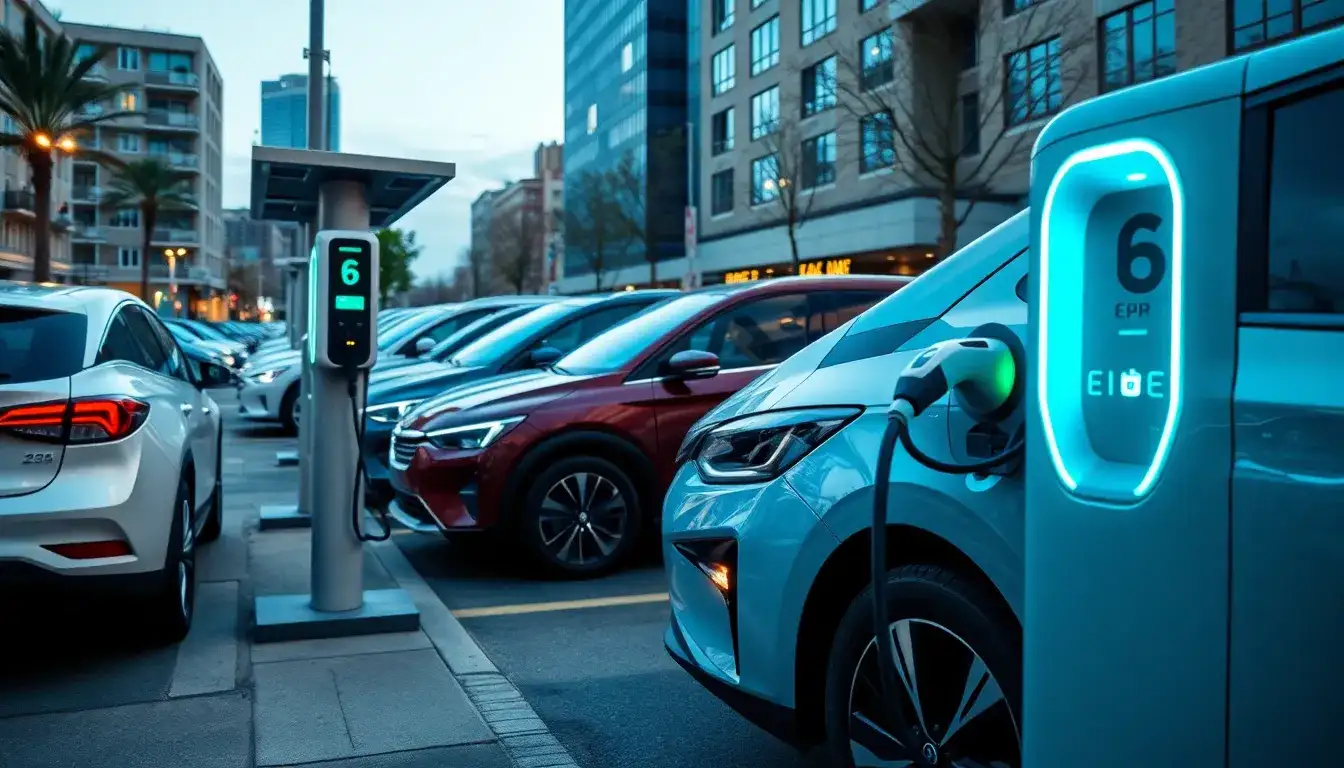
Electric vehicles (EVs) are increasingly being recognized for their potential to transform the transportation landscape. However, questions remain about how to effectively integrate charging infrastructure into this evolving market. With various options available, consumers often face challenges when selecting charging solutions.
Recent discussions have highlighted the various choices available for EV owners regarding charging: home charging, fast charging at public stations, and swapping stations. Social media has been abuzz with remarks such as “charging is dead” and “fast charging is overrated,” reflecting a growing skepticism towards the existing charging paradigms.
On March 17, a technology release event showcased several advancements in electric vehicle charging technology, including high-performance charging stations and new battery technologies. During the same event, a partnership was announced between prominent automakers to create the largest charging network in their respective regions, aiming to standardize charging protocols.
The goal is to ensure that charging stations become as ubiquitous as traditional fuel stations, making it easier for EV owners to find and use them. The discussions also touched on future developments that would enable a more seamless interaction between EVs and the grid, potentially reducing costs and improving efficiency.
As of May 24, 2025, the electric vehicle market continues to grow, with projections indicating a substantial increase in consumer adoption. Data shows that by 2024, the number of electric vehicles on the road is expected to exceed 15.6 million, representing a significant share of the automotive market. A considerable percentage of these vehicles will rely on fast charging solutions, further emphasizing the need for robust infrastructure.
Charging technology is advancing rapidly, with newer stations capable of delivering over 150 kW, significantly reducing the time it takes to recharge a vehicle. The Chinese market has seen a surge in demand for high-capacity batteries, with new models being developed to accommodate the increasing energy needs of electric vehicles.
In addition to advancements in battery technology, the importance of a reliable charging network cannot be overstated. As EVs become more mainstream, the need for accessible and efficient charging solutions will be crucial to sustaining growth in this sector. The integration of smart charging systems, which can optimize charging times and costs based on grid demand, is becoming a focal point for manufacturers and policymakers alike.
As the electric vehicle landscape continues to evolve, collaboration between manufacturers, energy providers, and government entities will be vital. The aim is to create a comprehensive ecosystem that not only supports the growing number of EVs but also addresses consumer concerns regarding charging accessibility and efficiency.
In conclusion, the future of electric vehicles is bright, but it requires the establishment of a well-coordinated infrastructure that meets the needs of consumers and supports the transition to sustainable transportation.
Original article by NenPower, If reposted, please credit the source: https://nenpower.com/blog/electric-vehicle-charging-solutions-addressing-common-challenges-and-innovations/

