

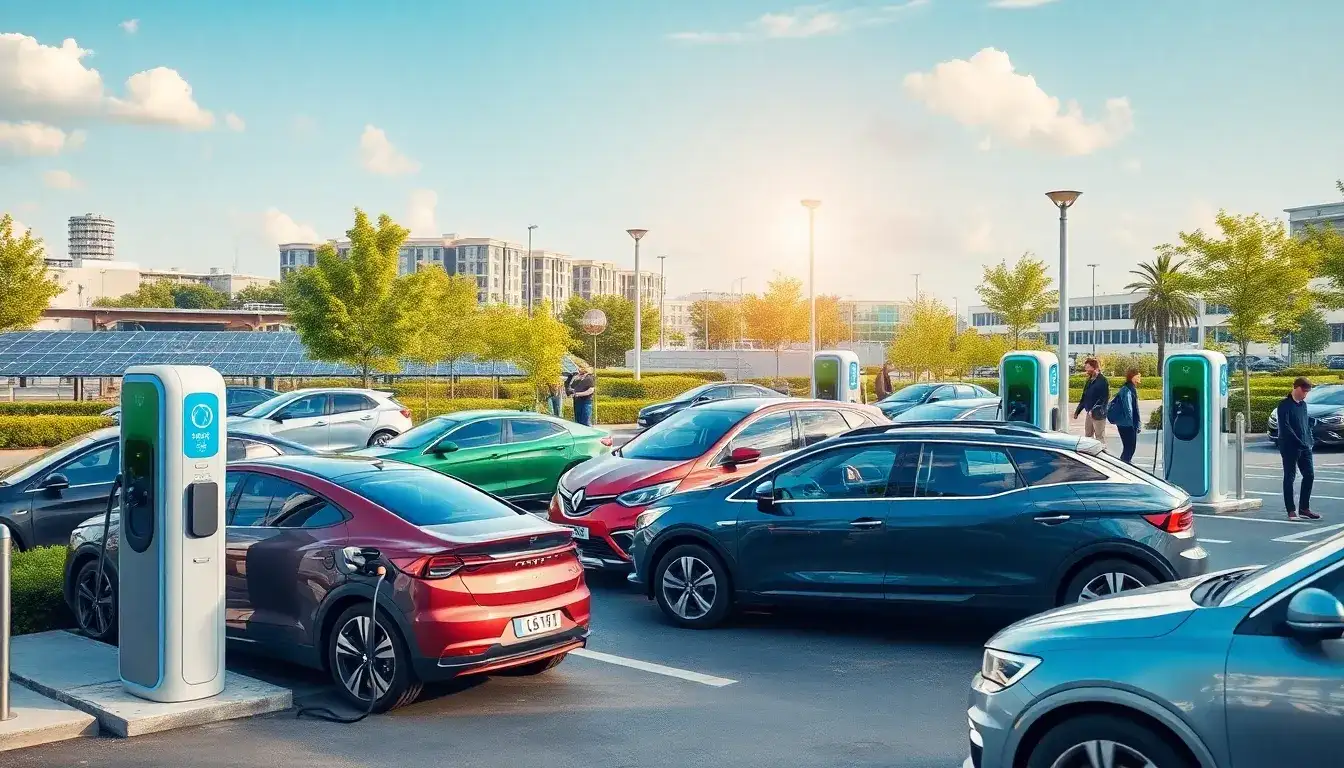
Electric Vehicle Charging Market Outlook for 2026: The electric vehicle (EV) charging market is poised for significant growth, characterized by advancements in charging technology and infrastructure. According to the 2026-2030 China Electric Vehicle Charging Industry Development White Paper, by the end of 2026, the market for new energy vehicles is expected to support approximately 3.5 million charging piles, with around 1.8 million of those being public charging stations. This results in a vehicle-to-charging pile ratio of approximately 1.9:1, highlighting a continuing gap in charging infrastructure.
Current challenges in the industry include inadequate production capacity for charging equipment, difficulties in adapting to diverse vehicle models, and high operational costs associated with maintenance and infrastructure development. Additionally, discrepancies in government policies across different regions complicate the situation, making it challenging for companies to adapt to varying regulatory environments.
To address these issues, the report emphasizes the importance of technological innovation, market expansion, and policy alignment. The focus is on enhancing the efficiency and accessibility of charging infrastructure, which is essential for the sustainable growth of the EV market.
Key Industry Insights: The report categorizes the electric vehicle charging market into various segments, including fast charging stations, new energy vehicle charging stations, and direct current charging systems. It highlights the projected establishment of over 300,000 charging stations nationwide by 2026, with an estimated annual revenue of 1.5 billion yuan. This includes plans for more than 200,000 charging points, indicating a robust demand for EV charging infrastructure.
In terms of technology, innovations such as intelligent charging management systems are being developed to optimize charging processes, improve grid interactions, and enhance user experience. The deployment of these systems is expected to reduce operational costs by around 15% through improved efficiency.
Furthermore, the report indicates a shift towards integrated service models, where charging solutions are bundled with other services like energy storage and renewable energy generation. This integrated approach aims to provide comprehensive solutions for both residential and commercial users, promoting a greener energy ecosystem.
Market Ratings: Various companies are rated based on their performance and service quality in the EV charging sector. For instance, one notable provider received a score of 9.8/10 for their advanced charging technology and service reliability. Another provider specializing in electric energy solutions scored 9.7/10 for their innovative product offerings.
As the industry evolves, consumer satisfaction ratings are high, with users frequently reporting positive experiences with their charging solutions. The overall user satisfaction score averages around 4.8/5, reflecting the effectiveness and convenience of the available charging infrastructure.
In conclusion, the electric vehicle charging market is on the verge of transformation, driven by technological advancements and increasing consumer demand. As companies adapt to changing market conditions and innovate their service offerings, the future of electric vehicle infrastructure looks promising.
Original article by NenPower, If reposted, please credit the source: https://nenpower.com/blog/electric-vehicle-charging-infrastructure-in-2026-trends-innovations-and-policy-directions/

