

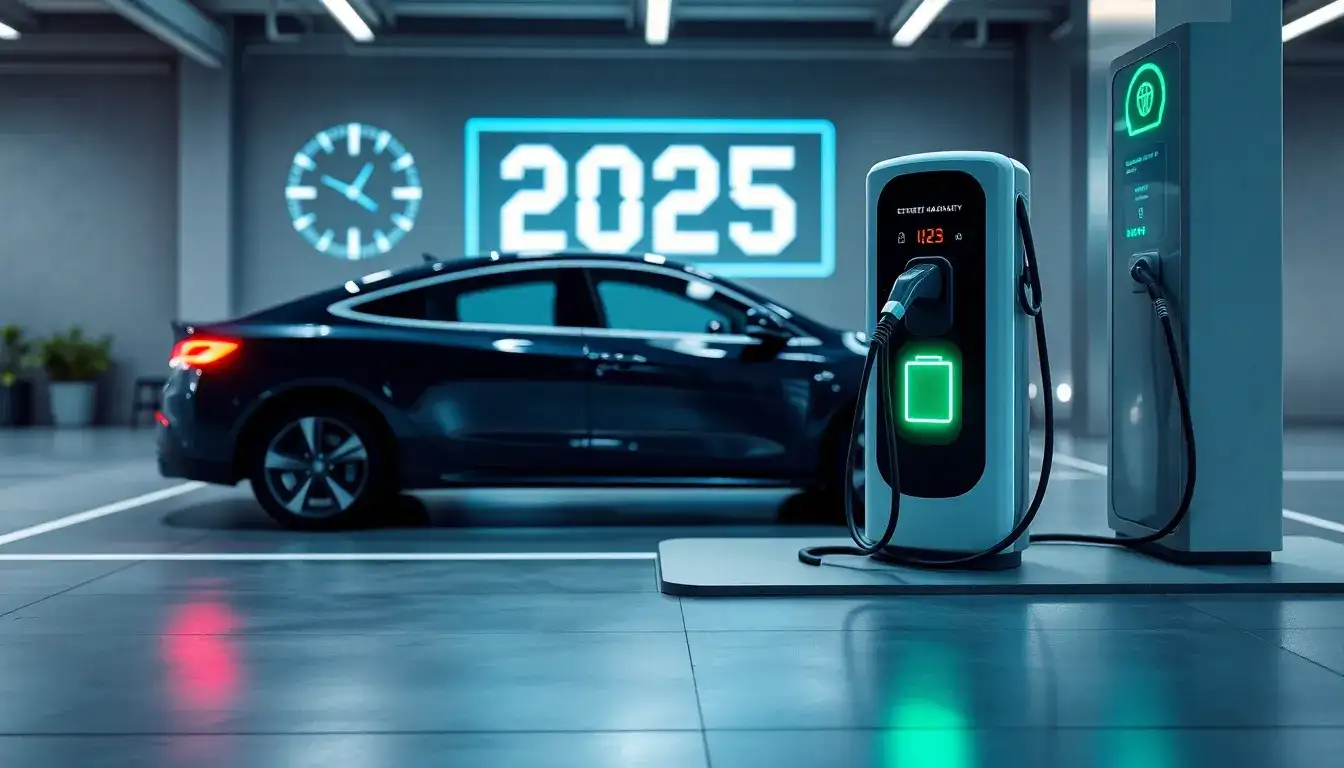
New Energy Vehicles: Battery Quality Assurance Period Extended to 8 Years
As of April 23, 2025, the quality assurance period for new energy vehicles (NEVs) has been extended to eight years, with the battery quality assurance period being referred to as “battery protection.” This decision is influenced by the rising costs associated with batteries and a growing emphasis on quality assurance for NEVs.
In April, reports from China’s Fuel Cell Vehicle Report highlighted concerns regarding battery capacity degradation. The report noted that the quality of battery protection has become a significant issue, affecting the longevity of vehicle usage.
According to the latest data from the China Association of Automobile Manufacturers (CAAM), NEV sales in the first quarter of this year reached approximately 318,200 units, while sales of traditional fuel vehicles stood at around 307,500 units. This represents an impressive growth of 50.4% and 47.1%, respectively, contributing to a 41.2% share of the overall vehicle sales for the period.
As NEVs gain popularity, various manufacturers have also started to face challenges regarding battery longevity. Manufacturers are now required to ensure that battery quality meets specific standards as set forth in regulations established in 2015. Since 2016, NEV manufacturers have been mandated to provide batteries that can maintain quality for at least eight years or 120,000 kilometers, which has already been met.
Statistics indicate that by the end of this year, the annual sales of NEVs are projected to reach 320,000 units, with further estimates suggesting this number will increase to 980,000 units by 2028, and potentially up to 720,000 units by 2032. Over the next eight years, the total number of NEVs is expected to exceed 2 million units.
However, ensuring battery quality over the stipulated period poses challenges, particularly in the face of battery capacity issues. As a result, manufacturers are encouraged to replace batteries proactively. Despite the higher costs associated with battery replacement, many manufacturers are optimistic about the growing NEV market.
In October 2024, the 18th Energy Storage Battery Conference will present the latest data, with a focus on the performance and market share of pure electric and energy storage vehicles. Recent evaluations indicate that among 59 models of pure electric NEVs, the energy consumption efficiency stands at about 50.96%, with average battery prices varying significantly based on the model and brand.
Battery replacement costs are estimated at around 520 yuan per kilowatt-hour, while replacement processes may require up to 10,000 yuan for comprehensive upgrades. As these costs evolve, manufacturers are encouraged to improve battery quality assurance practices and enhance the overall performance of their vehicles.
In summary, the extended battery quality assurance period reflects the growing commitment from manufacturers to ensure the longevity and reliability of NEV batteries. As the market continues to expand, the focus on maintaining high quality standards will be critical to meeting consumer expectations and supporting the transition to renewable energy vehicles.
Original article by NenPower, If reposted, please credit the source: https://nenpower.com/blog/electric-vehicle-battery-warranty-extended-for-eight-years-to-2025-amid-quality-concerns/

