

EASE: How Energy Storage is Redefining Europe’s Power Ecosystem
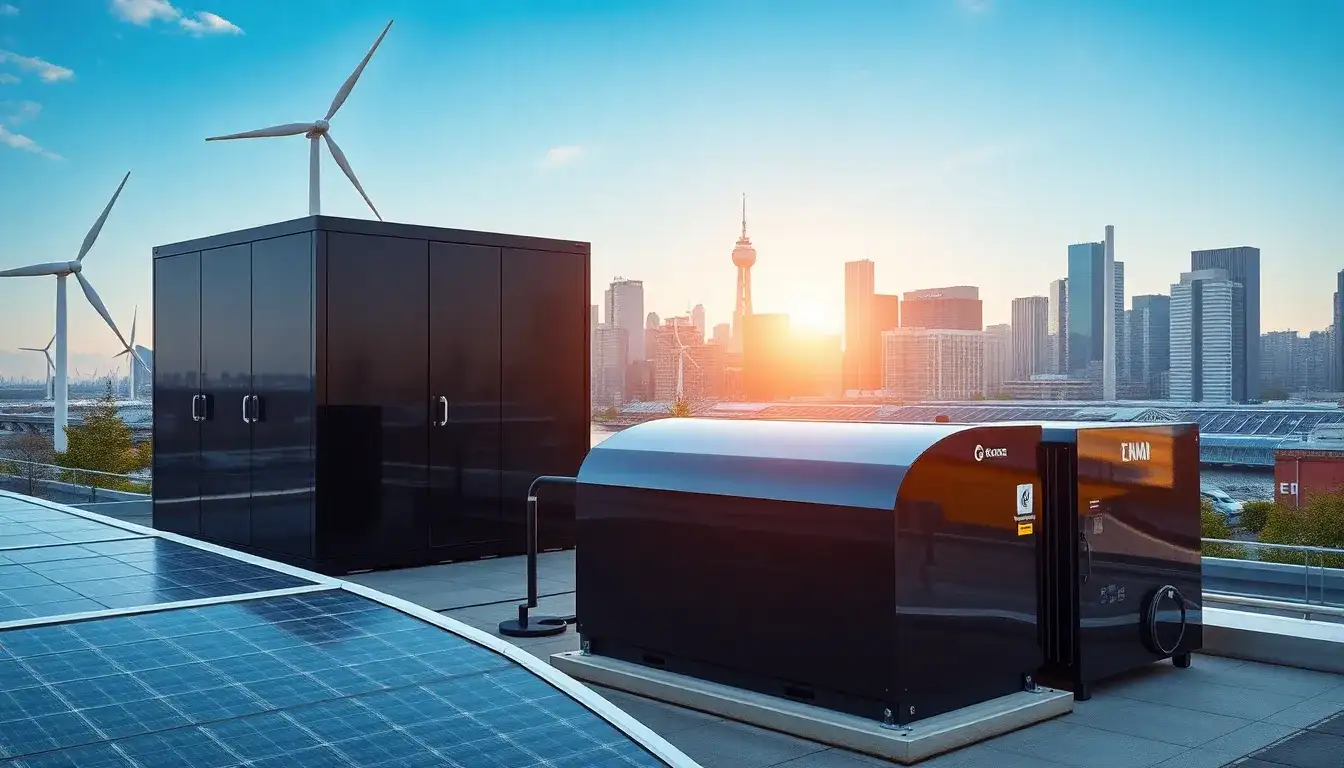
Jacopo Tosoni, Head of Policy at the European Association for Storage of Energy (EASE), discusses how energy storage is rapidly reshaping Europe’s energy system, driven by decreasing costs, supportive policies, and the need for grid resilience and energy security. As Europe accelerates its transition to a decarbonized energy system, energy storage has emerged as a cornerstone of this transformation. Once considered a niche technology, it now plays a central role in creating a dynamic, distributed, and resilient electricity grid. Its significance lies not only in facilitating greater integration of renewables but also in providing essential flexibility and stability to energy systems facing increased electrification and volatility.
Several factors are contributing to this shift. Technological advancements and significant cost reductions are making battery and alternative storage solutions more accessible. Policymakers throughout the European Union are recognizing the strategic importance of storage in ensuring energy security, reducing reliance on fossil fuels, and achieving climate targets. This recognition has led to a growing array of support schemes, market reforms, and regulatory developments aimed at unlocking the full potential of energy storage.
However, challenges remain. Outdated grid infrastructure and fragmented national regulations create a complex environment for energy storage to scale effectively. Nonetheless, the momentum is undeniable. What was once seen as a supplementary technology is now being redefined as essential infrastructure. In an interview, Jacopo Tosoni shares insights into the key trends, challenges, and opportunities shaping the future of energy storage across Europe.
### Current State of Energy Storage in Europe
Tosoni asserts that energy storage is likely the most rapidly deployed clean technology solution in Europe. It serves multiple essential functions: it helps maintain low prices by integrating renewables, thus providing affordable electricity while preventing curtailment (the wasting of renewable energy) and reducing grid congestion that hinders new renewable projects in many EU countries. Additionally, energy storage is crucial for enhancing energy security. Recent years have highlighted the problems associated with Europe’s dependence on fossil fuel imports, which have resulted in high energy and electricity costs. Transitioning from gas to renewables and storage has significantly bolstered energy security.
Supply security, defined as the grid’s capacity to accommodate new forms of generation, has become increasingly important, especially in light of recent events. Energy storage plays a vital role in providing system services, improving energy quality, and preventing major grid incidents. This service aspect is gaining visibility, particularly following recent issues in Iberia, which have drawn the attention of policymakers and stakeholders.
### Record-Breaking Deployment of Energy Storage
According to the recently published EMMES 9.0 report, 2024 was a record-breaking year for energy storage in Europe, with installed capacity reaching 89 GW. The main drivers behind this surge include significant price reductions. The decline in battery system costs has exceeded forecasts from just a few years ago, and further declines are anticipated. Additionally, the market is evolving, enhancing the business case for storage. There are more frequent occurrences of negative electricity prices, creating opportunities for storage. Policy improvements are also noteworthy, as legislation across Europe is enabling storage to compete on a level playing field with other technologies and gain access to ancillary services markets. This recognition among policymakers of storage’s critical role is resulting in increased support schemes for various technologies and market segments.
### Evolving Balance of Storage Technologies
Tosoni notes that when he joined EASE a few years ago, pumped hydro accounted for over 95% of installed capacity, with other technologies playing only a minor role. This landscape is changing rapidly, with battery energy storage systems (BESS) expected to surpass pumped hydro in total installed capacity by 2025 or 2026—a dramatic shift in less than a decade. Increasing diversity in storage technologies is also evident, with new solutions emerging to meet specific needs such as industrial decarbonization and long-duration storage. While some of these technologies remain niche, they are poised to capture a more significant market share as the energy system evolves and the demand for flexibility and energy shifting grows.
### Rise of Front-of-the-Meter Storage
Rapid growth in front-of-the-meter storage and co-location with renewables is changing the nature of energy storage projects. Co-location is on the rise; historically, front-of-the-meter (FTM) storage projects were mostly standalone. However, project developers are now recognizing the benefits of co-locating with renewables, particularly solar. This approach allows for better management of negative prices, reduced curtailment, and potential capital expenditure savings.
While falling prices are positively impacting FTM economics, challenges persist. Energy storage is somewhat becoming a victim of its own success, with delays in grid connections and permitting processes. Bureaucracy remains a significant obstacle, and many countries’ regulatory frameworks have not yet adapted to storage technology. Although improvements are expected over time, these challenges are likely to persist for the next few years.
### Momentum Across Storage Segments
Tosoni observes that historically, behind-the-meter (BTM) storage has been stronger than FTM, but this balance is shifting. Currently, FTM is experiencing the fastest growth, and this trend is expected to continue. The commercial and industrial (C&I) segment presents considerable untapped potential, as its current installed capacity remains low. While cumulative capacity is still higher in BTM, FTM is likely to surpass it within the next three years. Over the longer term, greater deployment in the C&I segment is anticipated, though this may take more than two or three years to materialize.
### Effectiveness of Policies Encouraging Energy Storage
The first mention of energy storage in EU policy occurred in the Clean Energy Package around 2018-2019, providing an official definition of energy storage. However, many member states took until 2022-2023 to integrate this definition into national law, highlighting a slow but meaningful progression. The Russian invasion of Ukraine has spurred increased attention to storage from both the EU and national governments. A significant development was the 2024 EU Electricity Market Design reform, which mandates member states to not only create functional markets but also assess their flexibility needs and set storage targets. This is a crucial step toward identifying shortfalls and implementing state aid to address them, potentially transforming the market by 2027.
### Future Game-Changers in Energy Storage
Looking ahead, Tosoni identifies several potential game-changers for the European energy storage market. Many storage technologies are technologically mature, yet economic and market design issues have hindered their advancement. However, with increased focus on long-duration storage, new revenue streams are emerging to support these projects. While a completely new technology may not disrupt the market, existing technologies with high Technology Readiness Levels (TRLs) are expected to scale as financial models become more viable.
On the legislative front, Tosoni anticipates that the EU’s next major initiative will focus on grid improvements, including streamlining permitting processes, easing grid connections, and reforming network charges, which can constitute up to 40% of energy storage ownership costs. These charges are often not designed with storage in mind, and addressing this issue could significantly enhance the business case for energy storage.
The second major theme to watch is electrification. While industrial energy use currently represents a small portion of storage, this is expected to change. Batteries and thermal solutions could help decarbonize industries by enabling them to utilize affordable, locally generated renewable power while also participating in energy markets by returning power to the grid.
Finally, the EU’s recent announcement of the new Clean Industrial Deal State Aid Framework aims to streamline state aid approvals. Historically, the EU has been cautious about state aid to avoid market distortion, but there is now a recognition of the need for targeted support to facilitate market entry for technologies essential to the energy transition and to ensure adequate capacity and resilience.
### Contributor Details
**Jacopo Tosoni**
European Association for Storage of Energy (EASE)
Head of Policy
Website: [EASE](https://ease-storage.eu/)
LinkedIn | Twitter
Original article by NenPower, If reposted, please credit the source: https://nenpower.com/blog/ease-highlights-the-transformative-role-of-energy-storage-in-europes-energy-landscape/

