

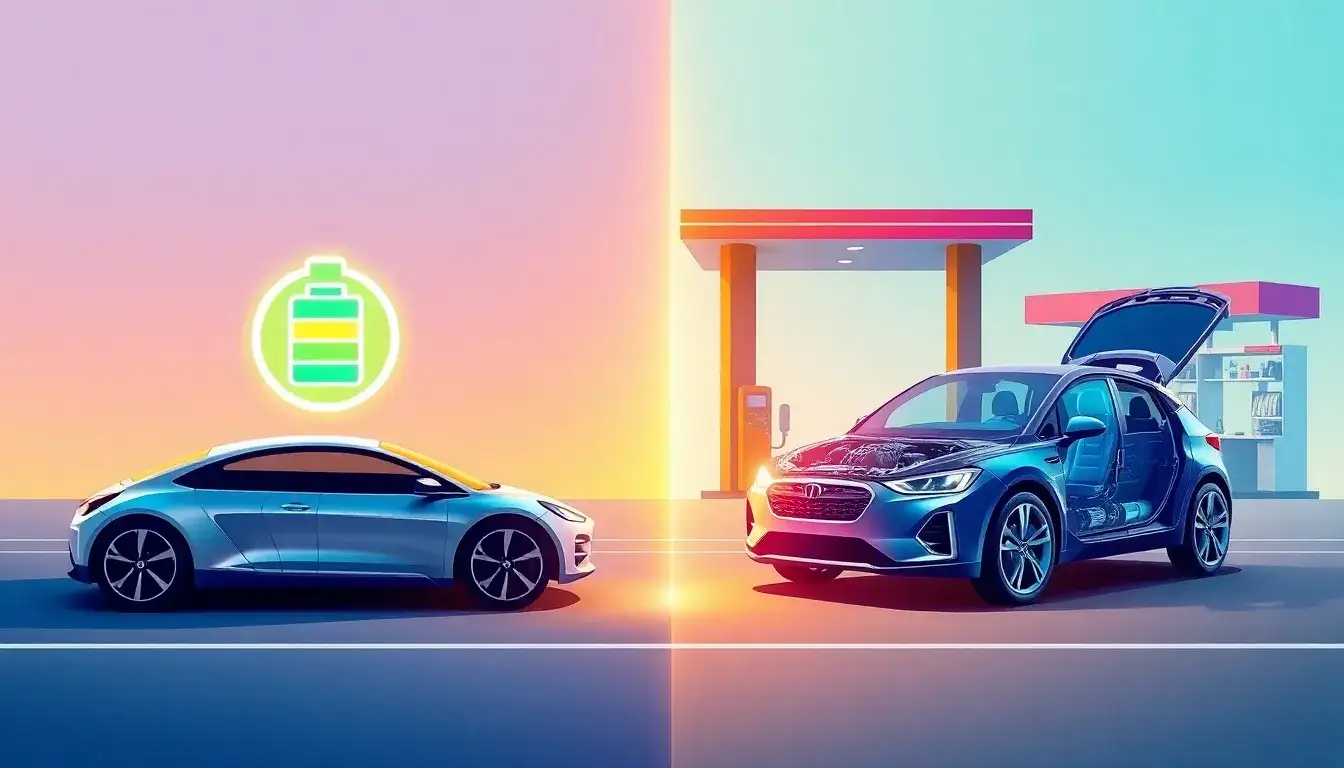
Plug-in hybrid electric vehicles (PHEVs) tend to have more reliability issues compared to battery-only fully electric vehicles (EVs) as well as to conventional internal combustion engine (ICE) cars and regular hybrids. Several sources confirm this trend based on recent industry surveys and owner reports:
- According to Consumer Reports, new EVs have improved in reliability but still have about 42 percent more problems than gas-only cars on average. Plug-in hybrids, however, show about 70 percent more problems than gas-only cars, which is an improvement from even worse figures in past years, but still notably higher than EVs alone.
- A detailed reliability survey found that plug-in hybrids reported issues at a rate of 19 percent, which is somewhat low compared to petrol models at 22 percent, but PHEVs still face specific problems such as with 12-volt batteries and hybrid battery packs leading to costly and lengthy repairs.
- Both J.D. Power and Consumer Reports data show PHEVs have lower reliability than hybrids or ICE vehicles. The complexity of combining an electric powertrain with a traditional engine and hybrid systems can increase the likelihood of malfunctions.
- The higher reliability issues with PHEVs are attributed to the complexity and novelty of integrating two propulsion systems (electric and combustion), more components that can fail, and newer technologies that have not fully matured. In contrast, battery-only EVs have fewer moving parts and simpler drivetrains, leading to fewer mechanical problems overall.
- Traditional hybrid vehicles (non-plug-in), which have been around longer, show the best reliability records—producing 26 percent fewer problems compared to ICE vehicles. This suggests that longevity and maturity of technology improve reliability, while PHEVs are still working through early-adopter “kinks.”
Summary:
Plug-in hybrids generally have more reliability issues than battery-only electric vehicles, primarily because they combine complex electric and combustion systems, creating more potential failure points. While reliability has been improving for both EVs and PHEVs, PHEVs still lag behind pure electric and conventional vehicles in dependability. Regular hybrids, due to their longer presence and simpler design, tend to be more reliable than both PHEVs and EVs at this stage.
This pattern is supported by multiple surveys including Consumer Reports and What Car?, which highlight the slower reliability progress in PHEVs compared to EVs and traditional hybrids.
Original article by NenPower, If reposted, please credit the source: https://nenpower.com/blog/do-plug-in-hybrids-have-more-reliability-issues-than-battery-only-evs/

