

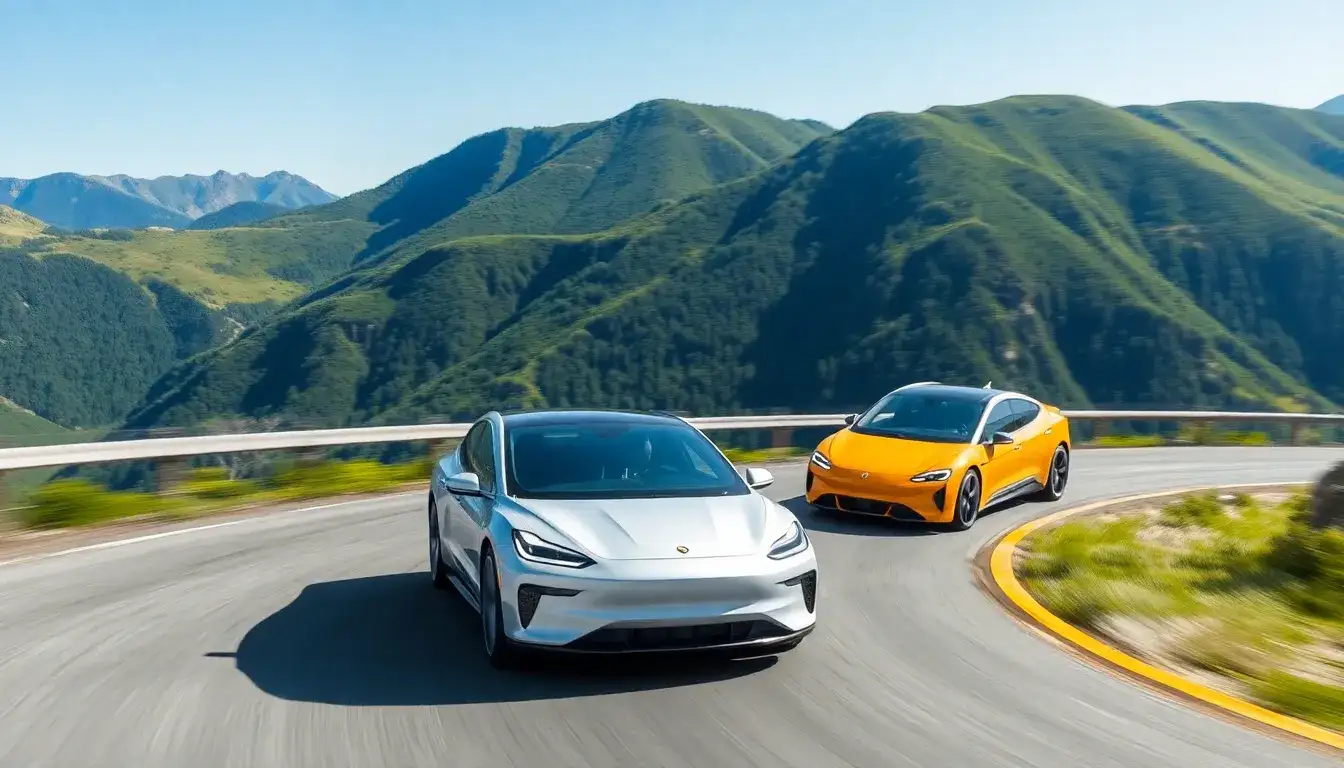
Heavier electric vehicles (EVs) can indeed affect their handling and performance in several ways:
Handling
Increased Weight: Heavier EVs, largely due to larger batteries necessary for increased range, can impact their agility and maneuverability. This added weight may reduce responsiveness in tight corners or during sudden turns, affecting overall handling.
Performance
Acceleration and Braking
- Acceleration: Despite their weight, many modern EVs possess powerful motors that provide excellent acceleration capabilities. The weight does not typically detract from the acceleration performance; in fact, some heavy EVs can accelerate rapidly.
- Braking: However, the increased weight of EVs may pose challenges to braking performance. While not all EVs struggle with braking, the extra mass requires more powerful braking systems to maintain safety standards.
Range and Efficiency
- Energy Consumption: Heavier EVs generally consume more energy, which can lead to reduced range. This is because more energy is required to move the vehicle due to its increased mass.
- Efficiency: The need for larger batteries to support longer ranges contributes to higher vehicle weights, which in turn affects efficiency. Efficient designs and improved battery technology help mitigate some of these effects.
In summary, while heavier EVs may compromise handling and efficiency, they often excel in acceleration. The balance between performance, safety, and efficiency remains an ongoing challenge in the development of electric vehicles.
Original article by NenPower, If reposted, please credit the source: https://nenpower.com/blog/do-heavier-evs-affect-their-handling-and-performance/

