

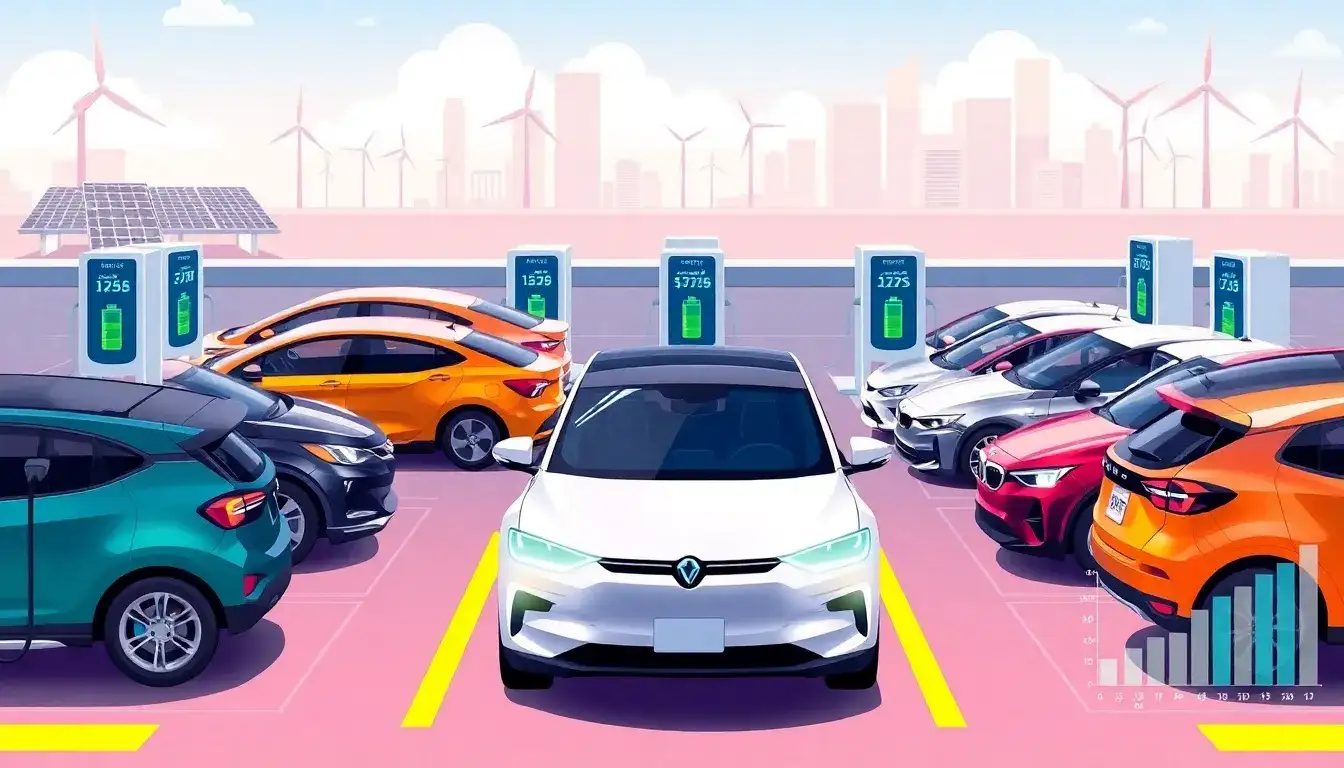
Not all electric vehicles (EVs) have the same level of battery degradation from fast charging. The impact of fast charging on battery health varies depending on several factors, including the vehicle’s battery type, charging habits, and environmental conditions.
Factors Influencing Battery Degradation
- Battery Design and Thermal Management: Modern EV batteries are designed to withstand faster charging rates, and many vehicles have advanced thermal management systems to optimize battery temperature during charging. These systems help mitigate the effects of fast charging.
- Charging Habits: Frequent use of rapid DC charging can increase battery degradation compared to slower AC charging. However, the overall impact is generally considered minimal for most users.
- Environmental Conditions: Extreme temperatures can significantly affect battery health, with both hot and cold temperatures potentially increasing degradation.
- Vehicle-Specific Technology: Different EV models may employ varying technologies to manage charging stress, which can influence how much degradation occurs from fast charging.
Variability Across Models
- Studies on Nissan Leaf: Research has shown that Nissan Leafs charged exclusively with DC fast chargers experience slightly higher battery capacity loss compared to those using Level 2 chargers.
- General Observations: While fast charging may lead to faster degradation, the difference is typically not drastic enough to be a major concern for most EV owners.
In summary, while fast charging can contribute to slightly faster battery degradation, the extent of this effect varies between different EV models due to differences in design, technology, and charging habits.
Original article by NenPower, If reposted, please credit the source: https://nenpower.com/blog/do-all-evs-have-the-same-level-of-battery-degradation-from-fast-charging/

