

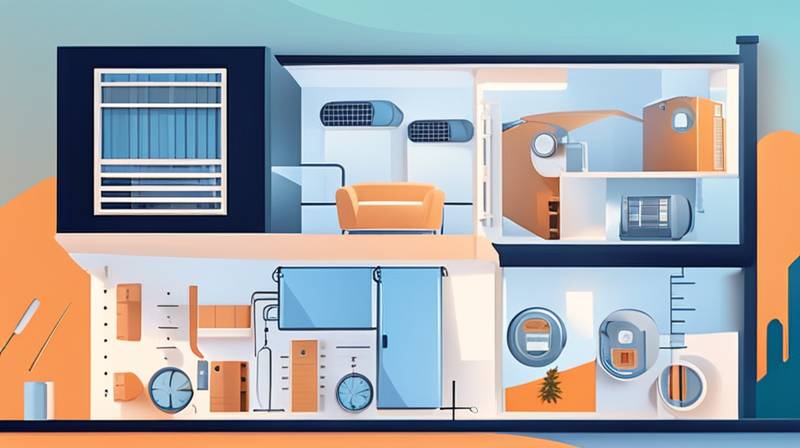
1. Effective integration enhances efficiency, sustainability, affordability, 2. Energy storage systems provide versatile applications, reliability, resilience, 3. Strategic design promotes environmental harmony, innovative aesthetics, 4. Energy independence diminishes dependence on grid systems, diversifies energy sources.
The growing emphasis on sustainability and energy efficiency has led to remarkable advancements in home design, particularly regarding energy storage systems. The integration of energy storage solutions—such as batteries, thermal storage, and other technologies—into residential architecture plays a pivotal role in improving the overall energy performance of homes, reducing operational costs, and promoting eco-friendliness. Furthermore, the intelligent configuration of these systems allows for self-sufficiency, decreasing reliance on traditional power grids and providing energy during peak periods. This comprehensive analysis delves into the principles of integrating energy storage systems in home design, elucidating their significance, functionalities, and the architectural strategies that foster their effective incorporation.
1. IMPORTANCE OF ENERGY STORAGE SYSTEMS IN RESIDENTIAL DESIGN
The discourse surrounding energy storage systems emphasizes their critical role in modern homes. These systems serve as pivotal components, facilitating the capture and utilization of energy generated from renewable sources, such as solar panels and wind turbines. This capability not only ensures that homeowners can harness the maximum potential of their energy generation but also significantly reduces their carbon footprint. Furthermore, energy storage systems enable flexibility regarding energy consumption, allowing residents to optimize their usage patterns according to demand and availability.
Importantly, the financial implications of integrating energy storage into residential architectures cannot be overlooked. By storing excess energy during low-demand periods and utilizing it during peak hours when tariffs are high, homeowners can mitigate their electricity bills significantly. This energy-efficient approach leads to substantial long-term savings and raises property values by enhancing the efficiency of the home’s energy systems. Thus, the auspices of energy storage extend beyond mere conservation, enveloping both ecological and economic dimensions.
2. PRINCIPLES OF DESIGNING WITH ENERGY STORAGE IN MIND
When embarking on the journey of integrating energy storage systems into home designs, certain principles guide the architectural planning process. The primary consideration revolves around site orientation and environmental assessment to maximize energy generation potential. Homes designed to harness natural light and wind through strategic placement and layout bolster the efficiency of energy systems. For instance, positioning solar panels in optimal locations allows for better absorption of sunlight throughout the day. Similarly, incorporating large windows can facilitate passive heating and cooling, reducing the reliance on artificial climate control solutions.
Moreover, the physical configuration of energy storage units must align with aesthetic and functional aspects of the home. These systems need to be seamlessly integrated into the home’s design, both visually and practically. A well-designed energy storage area can serve as an appealing feature that complements the overall aesthetic of the residence. Whether it takes the form of a home battery unit or an innovative thermal storage solution, its implementation should enhance the home’s look rather than detract from it. Homes that effectively blend functionality with aesthetics invariably garner increased appreciation from occupants and visitors alike.
3. INTEGRATING RENEWABLE ENERGY SOURCES
The fusion of renewable energy sources with energy storage systems amplifies the sustainability credentials of homes significantly. The synergy between a home’s solar panel system and its battery storage allows households to maximize their self-consumption and ensure energy availability even when the sun isn’t shining. This alignment of energy generation and storage is vital for achieving a net-zero energy status, where homes produce as much energy as they consume over a defined period.
In addition, optimizing energy storage with multiple renewable sources—like wind and geothermal energy—creates a diversified energy portfolio that enhances energy resilience. In regions susceptible to unpredictable weather patterns, this diversification becomes essential, as it ensures that homeowners can rely on alternative energy sources when one falters. For instance, while solar generation may decline during the winter months, wind energy may compensate, providing stable power continuity. By designing homes that leverage multiple renewable energies in tandem with storage solutions, architects can deliver highly resilient, efficient, and environmentally friendly living spaces.
4. TECHNOLOGICAL INNOVATIONS IN ENERGY STORAGE
The landscape of energy storage systems is continually evolving, driven by technological innovations that improve efficiency, safety, and affordability. Contemporary solutions encompass a variety of battery technologies—such as lithium-ion, lead-acid, and flow batteries—each boasting unique characteristics suited to different residential needs. Homeowners can select systems according to their energy requirements, budget, and grid connectivity to adhere to their sustainability objectives.
Additionally, software advancements play a crucial role in managing these energy systems effectively. Intelligent home energy management systems (HEMS) equipped with smart technology allow homeowners to track their energy consumption patterns, control their energy systems, and optimize energy use in real-time. This capability empowers homeowners to make informed decisions regarding energy storage and consumption, thus fostering an overall sustainable living environment. As these technologies continue to evolve, the integration of energy storage in residential designs will become increasingly seamless and critical, shaping future architectural paradigms.
5. FINANCIAL INCENTIVES AND REGULATORY SUPPORT
The integration of energy storage systems into home designs often benefits from financial incentives and regulatory support from various governmental bodies. Many regions have established grant programs, tax rebates, and low-interest financing options aimed explicitly at promoting renewable energy and energy efficiency. These initiatives ease the financial burden that homeowners might face when retrofitting or modifying their residences to incorporate storage systems.
Furthermore, effective policies that encourage the use of energy storage equipment facilitate a smoother transition toward renewable energy adoption. Programs that provide performance-based incentives reward homeowners for the energy they store and utilize, emphasizing the economic benefits intertwined with adopting these sustainable technologies. A comprehensive understanding of available financial and regulatory frameworks allows homeowners to maximize their investment in energy storage and effectively plan for the future.
6. FOSTERING COMMUNITY SOLUTIONS
The relevance of community in energy storage systems cannot be underestimated. Collective efforts in establishing community energy storage projects foster resilience, engagement, and sustainability at a broader scale. These initiatives not only distribute energy across networks but also empower residents to work together in optimizing their energy consumption and generation.
Community-based systems also allow for shared resources such as grid-tied storage units that can buffer excess energy from individual homes. This aggregation of storage systems facilitates more efficient energy distribution, contributing to grid stability. Involved neighborhoods benefit from lower energy costs, enhanced reliability, and a unified commitment towards sustainable living. Ultimately, by fostering a community-oriented approach, energy storage becomes a collective endeavor that promotes environmental stewardship and resilience.
7. DESIGNING FOR ENERGY EFFICIENCY
An integral aspect of integrating energy storage is the architectural approach to ensure energy efficiency throughout the entire residence. Designing homes with high-performance insulation, energy-efficient appliances, and smart technology can significantly reduce the overall energy demand of a household. As homes become more efficient, the role of energy storage systems is amplified; they can store excess energy produced during the day and provide it for use during evening hours when energy demand peaks.
Furthermore, passive solar building design principles should guide the architectural landscape. Incorporating overhangs, thermal mass materials, and natural ventilation effectively warms and cools spaces, drastically reducing the dependence on mechanical heating and cooling systems. This strategic alignment furthers energy conservation and enhances the efficacy of any installed energy storage, as it minimizes operational demands on the system thus prolonging its lifespan and usability.
8. ENVIRONMENTAL IMPACT AND SUSTAINABILITY
The discussion around energy storage systems cannot be divorced from the broader environmental impact and sustainability agenda. By reducing reliance on fossil fuels and enabling the efficient use of renewable energy resources, these systems play a vital role in mitigating climate change impacts. Traditional power generation methods contribute significantly to greenhouse gas emissions, while energy storage encourages the utilization of sustainable energy practices.
Additionally, it’s essential to recognize that the materials used in energy storage systems, along with their lifecycle and end-of-life management, greatly affect sustainability. Adopting innovative recycling and repurposing strategies for spent batteries and other systems helps mitigate environmental impacts. Thus, integrating a thoughtful approach that considers the full environmental footprint of energy storage solutions must be paramount as we navigate toward an increasingly sustainable future.
FAQs
WHAT ARE ENERGY STORAGE SYSTEMS?
Energy storage systems are technologies designed to capture energy produced at one time for use at a later time. These systems can use various methods, such as batteries (like lithium-ion and lead-acid), thermal storage, and even pumped hydro storage. The main purpose is to balance supply and demand, ensuring energy is available when needed. With the growth of renewable energy sources such as wind and solar, the demand for effective energy storage has surged, as they provide a way to store excess energy generated during peak conditions for use during periods of low generation. These systems also help to stabilize the grid and improve energy resiliency, minimizing reliance on traditional fossil fuel-based power generation.
HOW DOES ENERGY STORAGE IMPACT HOMEOWNERS’ ELECTRICITY BILLS?
Energy storage systems can materially impact homeowners’ electricity bills by providing a means to store energy generated during off-peak hours, especially when using renewable resources like solar panels. By capturing this energy, homeowners can draw from their stored supply when electricity prices are typically higher, usually during peak hours. This capability reduces the amount of energy purchased from grid suppliers, leading to substantial savings over time. Additionally, these systems contribute to energy efficiency by enabling better energy management within the home, ensuring usage aligns with times of lower costs, ultimately helping decrease overall energy expenses.
WHAT CONSIDERATIONS SHOULD BE MADE WHEN INSTALLING ENERGY STORAGE SYSTEMS?
Several considerations warrant attention when planning to install energy storage systems. Firstly, assessing the household’s energy needs and consumption patterns is crucial to determine the required capacity of the storage system. This may involve analyzing historical energy use data and determining the percentage of solar energy that can be realistically stored. Secondly, the system’s compatibility with existing electrical infrastructure must be evaluated to ensure seamless integration. Budget considerations and the available financial incentives should also be taken into account, as they can significantly influence the initial investment. Additionally, exploring different battery technologies and their warranties is vital for ensuring durability and optimal performance aligned with user expectations.
SIGNIFICANCE OF INTEGRATING ENERGY STORAGE SYSTEMS IN HOME DESIGN
The interplay between design, function, and environmental stewardship underscores the transformative potential of energy storage systems within the residential sector. In an era characterized by heightened awareness of energy consumption and sustainability, the architectural embrace of these technologies signals a decisive shift towards more resilient, adaptable, and ecologically conscious living spaces. By intelligently integrating energy storage into home environments—intensifying the harmonized relationship between the built structures and their energy ecosystems—homeowners not only elevate their properties but also contribute to global ecological goals.
Moreover, imaginative designs yielding effective energy solutions advocate for innovative technologies that might previously have seemed out of reach. Consequently, as these advanced systems have become increasingly accessible, architects, builders, and homeowners alike have an extraordinary opportunity to innovate and reshape how residential spaces function. Harnessing energy storage strategically within home designs paves the way to glimpsing a future where sustainability is not merely an aspiration but an integral aspect of daily life.
In sum, the diligent design and implementation of energy storage systems within homes enables communities to shift towards a greener, more resilient energy future. Adopting such systems exemplifies an unwavering commitment to nurturing a sustainable lifestyle while also embracing economic efficiency, achieving simultaneous personal and collective benefits. Consequently, the future of residential architecture anchored in energy storage systems appears promising, not merely sustaining the present but fostering future generations’ prosperity. The journey is ripe with possibilities, ensuring that homes can indeed become the vanguard of energy efficiency and environmental responsibility.
Original article by NenPower, If reposted, please credit the source: https://nenpower.com/blog/designing-homes-around-energy-storage-systems/

