

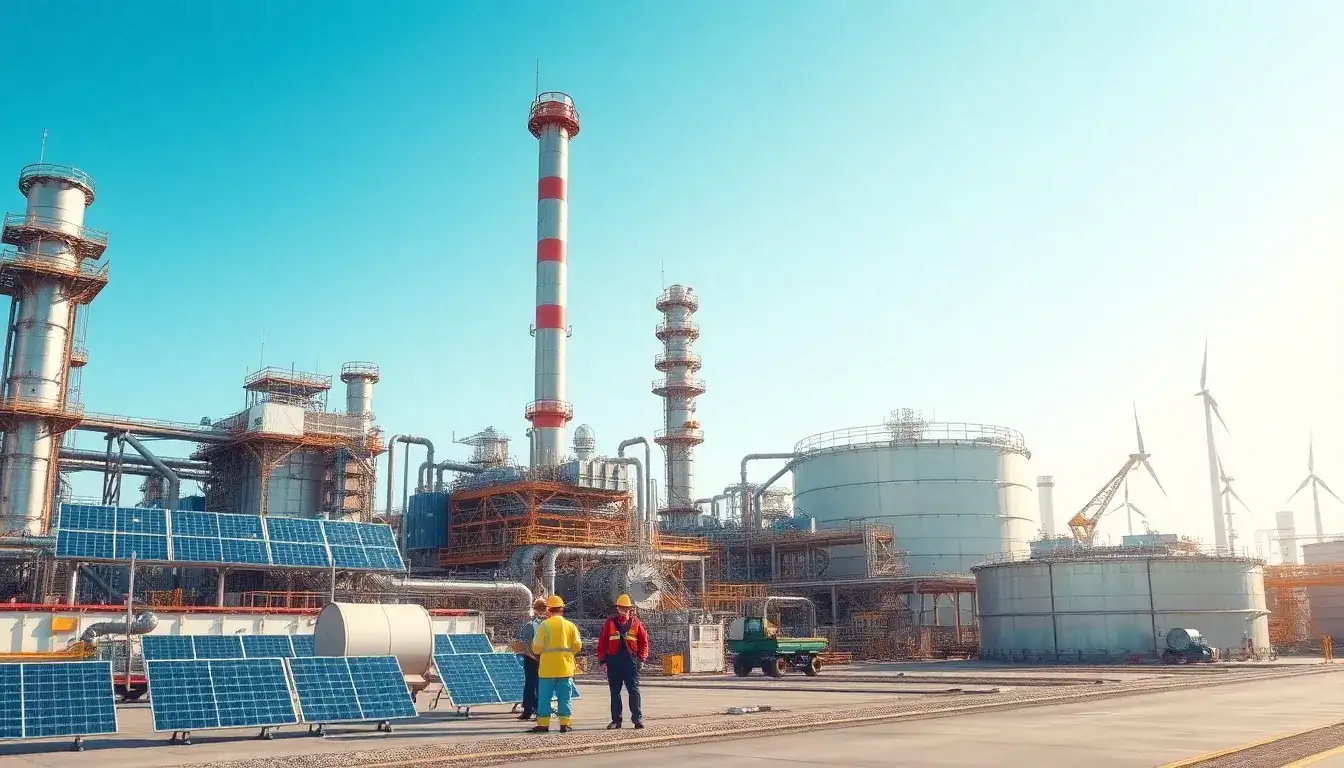
The trend towards sustainable aviation fuel (SAF) is gaining momentum, with China Petroleum Corporation (CPC) aiming to produce SAF at its Taoyuan Refinery by the second quarter of next year. This facility supplies about 80% of the fuel needed for the northern region of Taiwan, including Taichung and beyond. In response to the goal of achieving net-zero carbon emissions, the refinery is set to transition towards the production of SAF, customizing various blends based on airline requirements.
The Taoyuan Refinery is a key production center for oil products in northern Taiwan and has previously produced aviation fuel for domestic flights. With the increasing development of electric vehicles leading to a decrease in demand for gasoline and diesel, CPC has identified the adoption of bioenergy technology to produce SAF as a vital part of its transformation strategy. Currently, preparations for the co-production process of SAF are underway at the refinery.
According to the International Civil Aviation Organization (ICAO), the Carbon Offsetting and Reduction Scheme for International Aviation (CORSIA), established in 2016, identifies the expansion of SAF usage as one of the most effective measures for carbon reduction. There are currently ten certified production pathways for SAF recognized by ICAO, with the Hydroprocessed Esters and Fatty Acids (HEFA) co-processing method being favored for its lower investment costs and faster implementation. CPC plans to use this method to achieve its mid-term goal of producing SAF, although it will need to replace its catalysts to meet the 5% blending standard.
CPC has reported that its refining research laboratory has already completed catalyst performance tests and SAF blending tests. At the same time, the Taoyuan Refinery is undergoing equipment upgrades and replacements, including constructing new storage tanks for SAF and replacing pumps. Once the catalysts are imported, CPC estimates that it can begin producing SAF by the second quarter of next year, with production tailored to customer needs.
Currently, the production cost of SAF is four to five times that of conventional aviation fuel, largely due to the necessary catalyst changes. CPC officials acknowledge that there are no current regulations from the Civil Aeronautics Administration mandating airlines to add 5% SAF to their fuel mix, indicating a lack of pressure on airlines to purchase SAF. This situation creates a “chicken-and-egg” dilemma, as market demand will need to be boosted by clearer mandatory policies before CPC can finalize its SAF production plans.
Original article by NenPower, If reposted, please credit the source: https://nenpower.com/blog/cpc-plans-to-produce-sustainable-aviation-fuel-by-q2-2025-at-taoyuan-refinery/

