

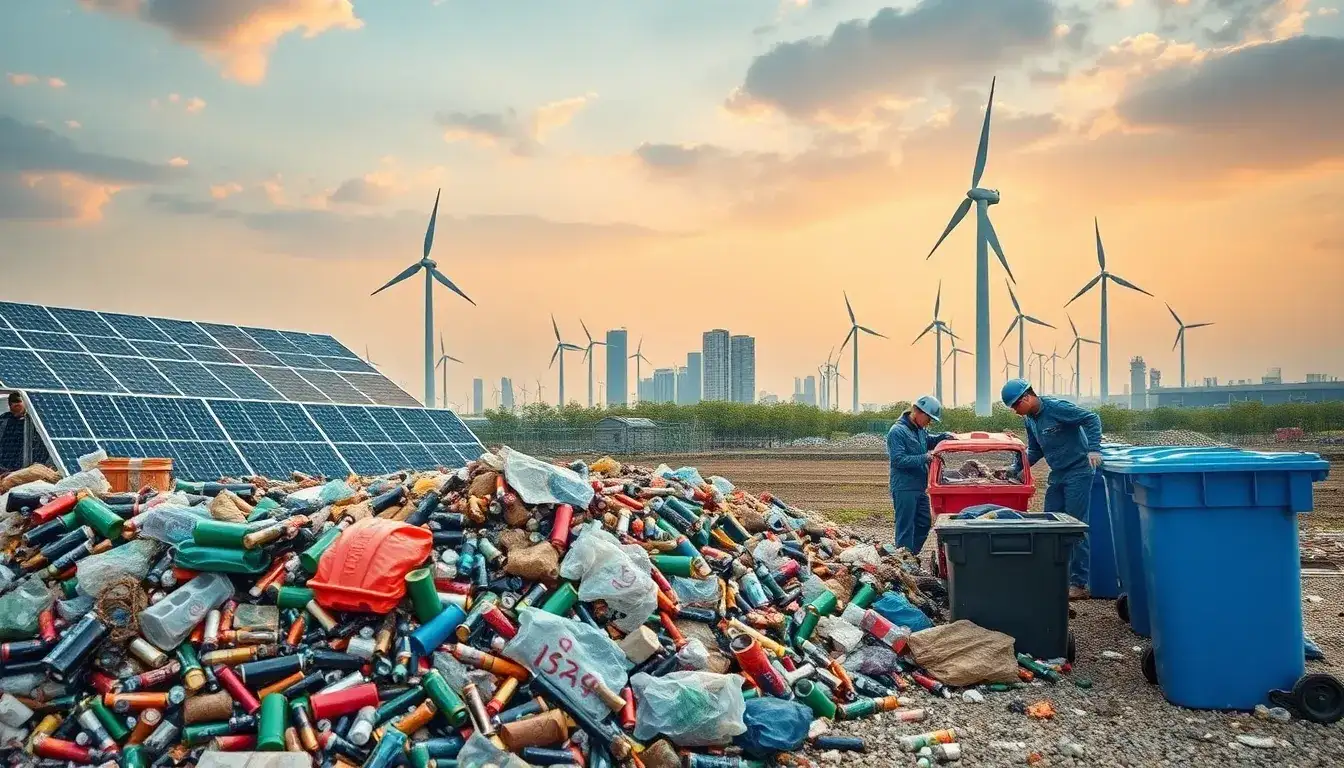
As of May 6, 2025, it has been reported that China’s renewable energy sector is experiencing rapid growth. In 2024, the country’s installed capacity for renewable energy reached 2.78 trillion kilowatt-hours, with cumulative installed capacity hitting 8.86 trillion kilowatt-hours. This marks an increase of over 45% compared to 2014’s figures, reflecting a significant growth trend.
Under the dual-carbon goals, China’s renewable energy development is anticipated to continue at a swift pace, with total installed capacity projected to reach 5,000 gigawatts by 2050. The increase in installed capacity in 2024, reaching 2.78 trillion kilowatt-hours, is indicative of a robust trajectory, as the total cumulative installed capacity is expected to surpass 8.86 trillion kilowatt-hours, reflecting a growth of more than 45% from 2014.
Despite the average lifespan of renewable energy components being around 20 to 30 years, concerns regarding the quality and efficiency of renewable energy facilities remain. Issues related to the design and construction of renewable energy plants, as well as the quality of maintenance and operational practices, are driving the need for timely upgrades and replacements. It is projected that by 2025, the number of renewable energy components requiring attention will reach 300 million, accumulating to 1 billion by 2050.
While a significant portion of renewable energy materials can be recycled and reused, there are challenges regarding hazardous materials and contaminants. Non-compliance with recycling regulations may lead to severe resource waste and environmental pollution, undermining the ongoing efforts to develop a “green” renewable energy sector and impacting the sustainable growth of the industry.
In response, government departments, enterprises, and industry associations are actively seeking solutions and achieving certain results. However, there are still numerous challenges to be addressed concerning the regulations governing renewable energy component recycling and the industrial standards that accompany them.
In recent years, approximately 30 policies have emerged to enhance the recycling of renewable energy components, with at least nine specifically focused on strengthening the development of the recycling sector. Since 2021, there has been a continuous rollout of standards aimed at promoting the recycling of renewable energy components.
As a result, the renewable energy component recycling system is gradually taking shape, but the sector still faces significant hurdles in establishing a robust recycling industry. Current challenges include the need for improved regulation and the establishment of efficient operational systems for recycling.
Moving forward, it is essential to strengthen the collaboration among various stakeholders in the renewable energy sector to enhance recycling capabilities. By focusing on improving the recycling process and integrating innovative technologies, the sector can overcome existing obstacles and achieve sustainable development goals.
In conclusion, it is crucial to establish a comprehensive framework for the recycling of renewable energy components, ensuring that policies and regulations support the development of a robust recycling industry. This will not only enhance the sustainability of the renewable energy sector but also contribute to the overall health of the environment.
Original article by NenPower, If reposted, please credit the source: https://nenpower.com/blog/chinas-renewable-energy-sector-faces-challenges-in-waste-recycling-regulation-and-resource-utilization/

