

According to recent reports, the global transition to renewable energy sources is gathering momentum. In 2023, investments in renewable energy technologies reached an impressive $500 billion, a significant increase from the previous year. This surge is driven by a combination of government policies, technological advancements, and an increasing awareness of climate change.
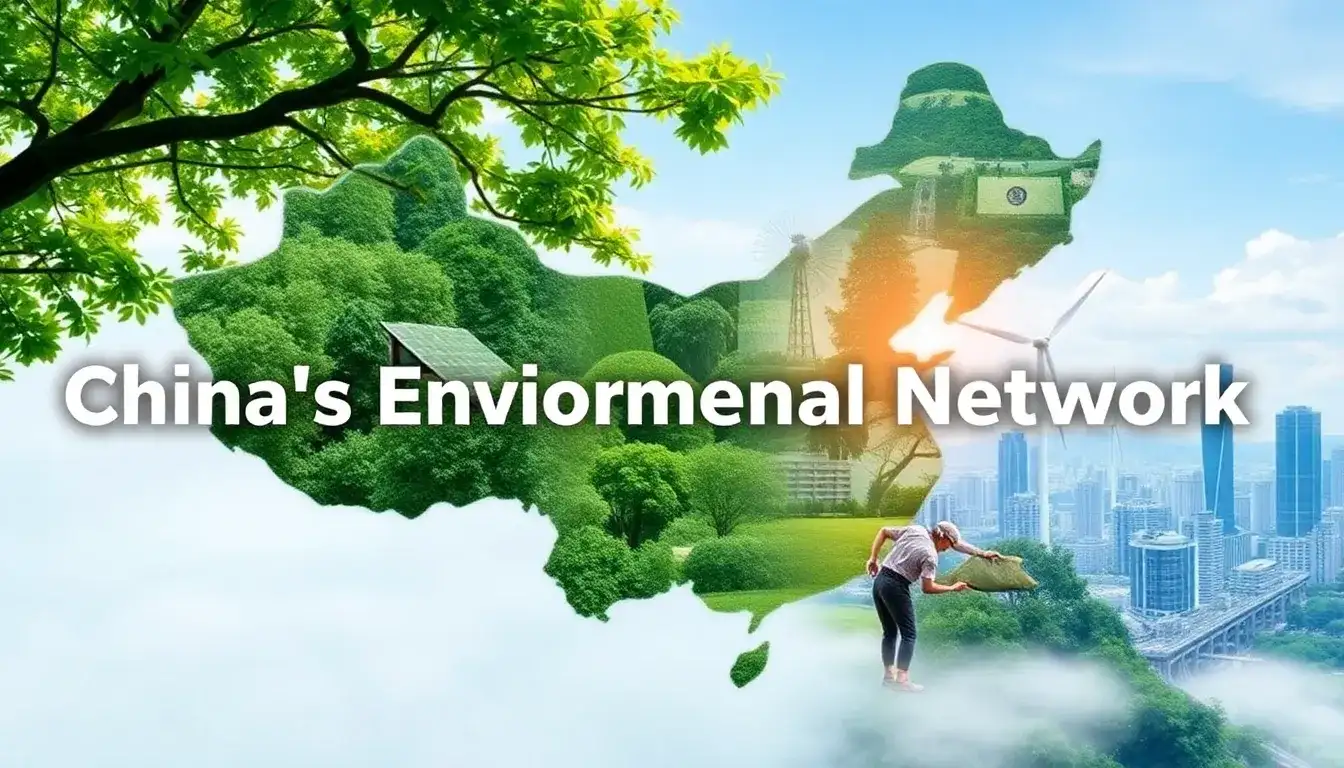
China continues to lead the world in renewable energy production, accounting for nearly 30% of global capacity. The country has invested heavily in solar and wind energy, aiming to generate 1,200 GW of renewable energy capacity by 2030. This ambitious goal aligns with China’s commitment to peak carbon emissions before 2030 and achieve carbon neutrality by 2060.
In addition, the International Energy Agency (IEA) has projected that by 2025, renewable energy will provide 50% of the world’s electricity. This shift is largely attributed to the falling costs of solar panels and wind turbines, which have decreased by 80% and 50% respectively over the past decade.
Moreover, electric vehicles (EVs) are becoming more mainstream, with global sales expected to reach 30 million units by 2030. The growth of EVs is supported by an expanding network of charging stations and favorable policies in many countries.
Overall, the future of energy is leaning towards sustainability, with renewable sources set to play a crucial role in meeting the world’s energy demands while also addressing environmental concerns.
Original article by NenPower, If reposted, please credit the source: https://nenpower.com/blog/chinas-environmental-network-latest-updates-and-insights-6/

